A luxury safari in East Africa offers some of the most profound and transformative wildlife encounters on the planet. But for the modern traveler, a truly exceptional journey goes beyond thread counts, private plunge pools, and spectacular photography. Today, the ultimate luxury is knowing that your presence is leaving a positive, lasting legacy.
At Classic Explorers, we believe that high-end travel and ethical responsibility must go hand in hand. When you book a bespoke private safari with a dedicated local operator, you are actively participating in the survival of endangered species and the empowerment of local communities.
Here is a behind-the-scenes look at the ethical footprint of your itinerary and exactly how your safari protects East Africa's wildlife.
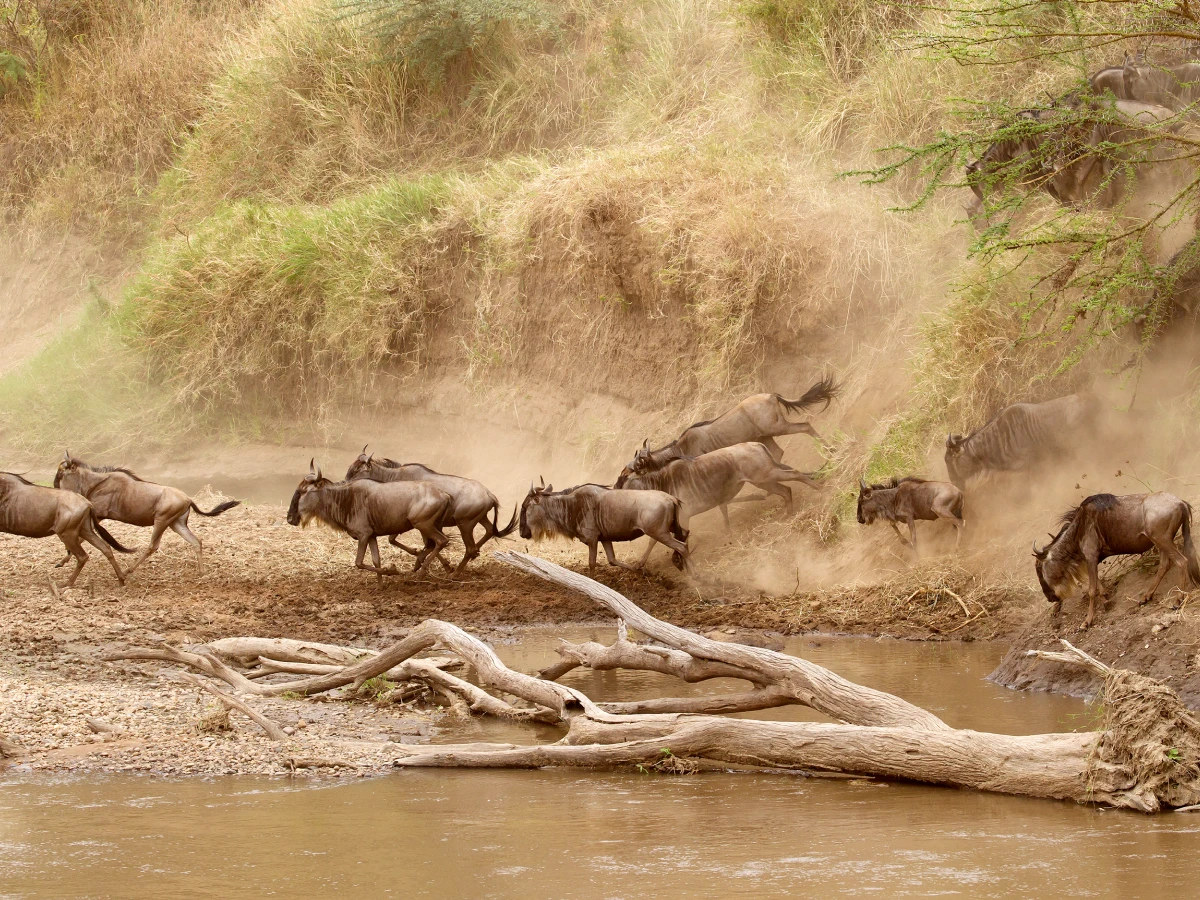
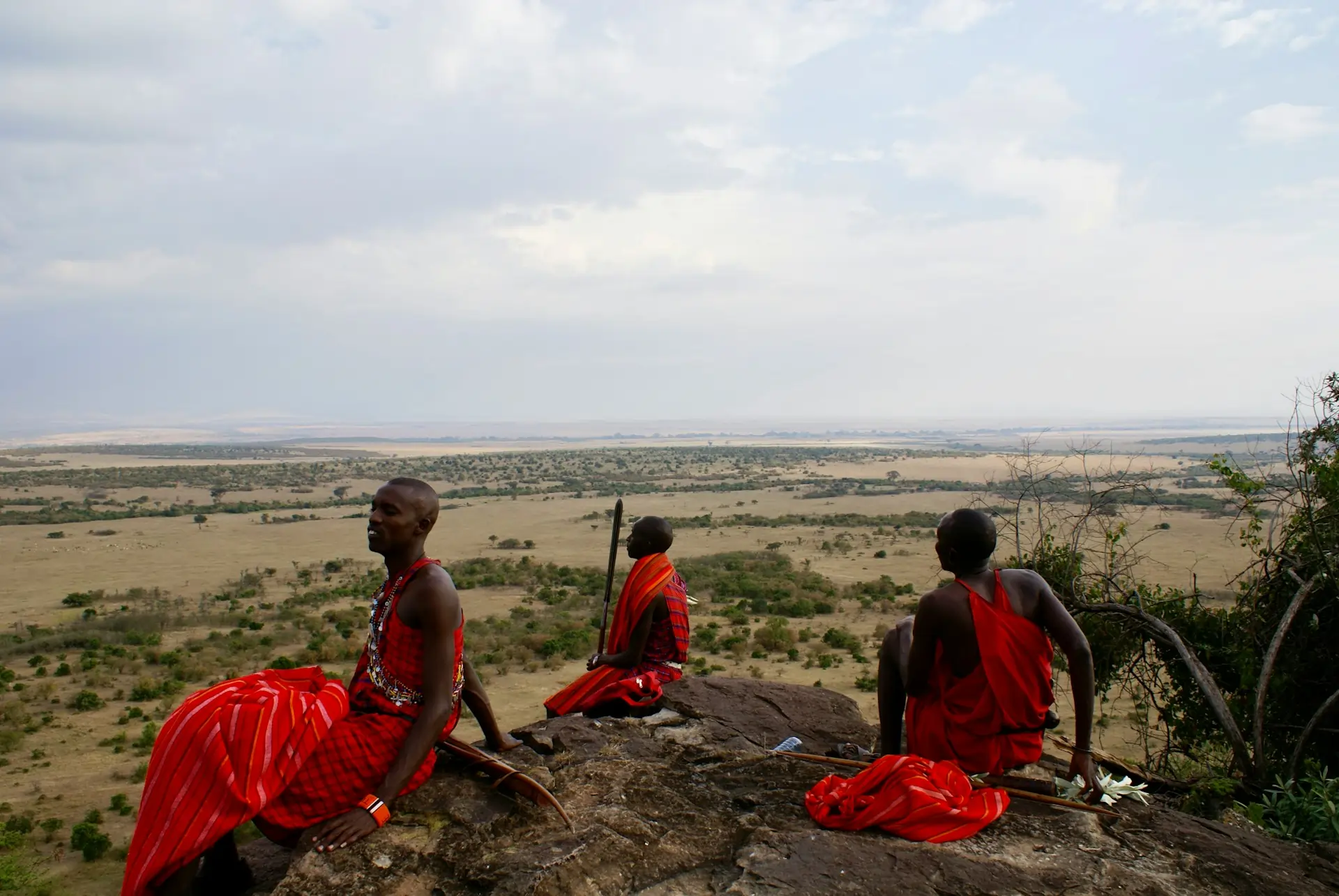
1. The Power of Community-Run Conservancies
One of the greatest conservation success stories in the world is the rise of the conservancy model, particularly in Kenya.
National parks such as the Masai Mara National Reserve are government-owned and incredibly vital, but wildlife does not recognize borders. A large share of Kenya's wildlife lives outside official national parks. To protect these crucial migration corridors, local Maasai and Samburu landowners partner with eco-tourism operators to create private conservancies.
How It Works: Operators lease the land directly from the communities, ensuring landowners receive a guaranteed monthly income.
The Impact: In exchange for this steady revenue, communities agree to protect wildlife habitats, limit overgrazing pressure, and cease poaching.
The Guest Benefit: Because these are private lands, visitor numbers are limited. You get a more exclusive, uncrowded safari experience, including off-road driving and night drives where permitted, while directly funding the families who own the land.
This model is central to many private journeys in our safari collection, including cross-border routes like the 11 Days Kenya & Tanzania Safari.
2. Funding the Frontlines: Anti-Poaching and Veterinary Care
When you review your itinerary, you will notice line items for park fees or conservation fees. These can represent a meaningful part of your safari budget, and they are the lifeblood of East African conservation.
Every day you spend in a national park or private conservancy helps fund ecosystem protection. These resources support anti-poaching patrol teams, specialized K-9 units, aerial surveillance, and mobile veterinary units that rescue snared animals and treat injured rhinos, elephants, and lions.
Simply by being there, your safari is actively financing the frontlines of wildlife protection.
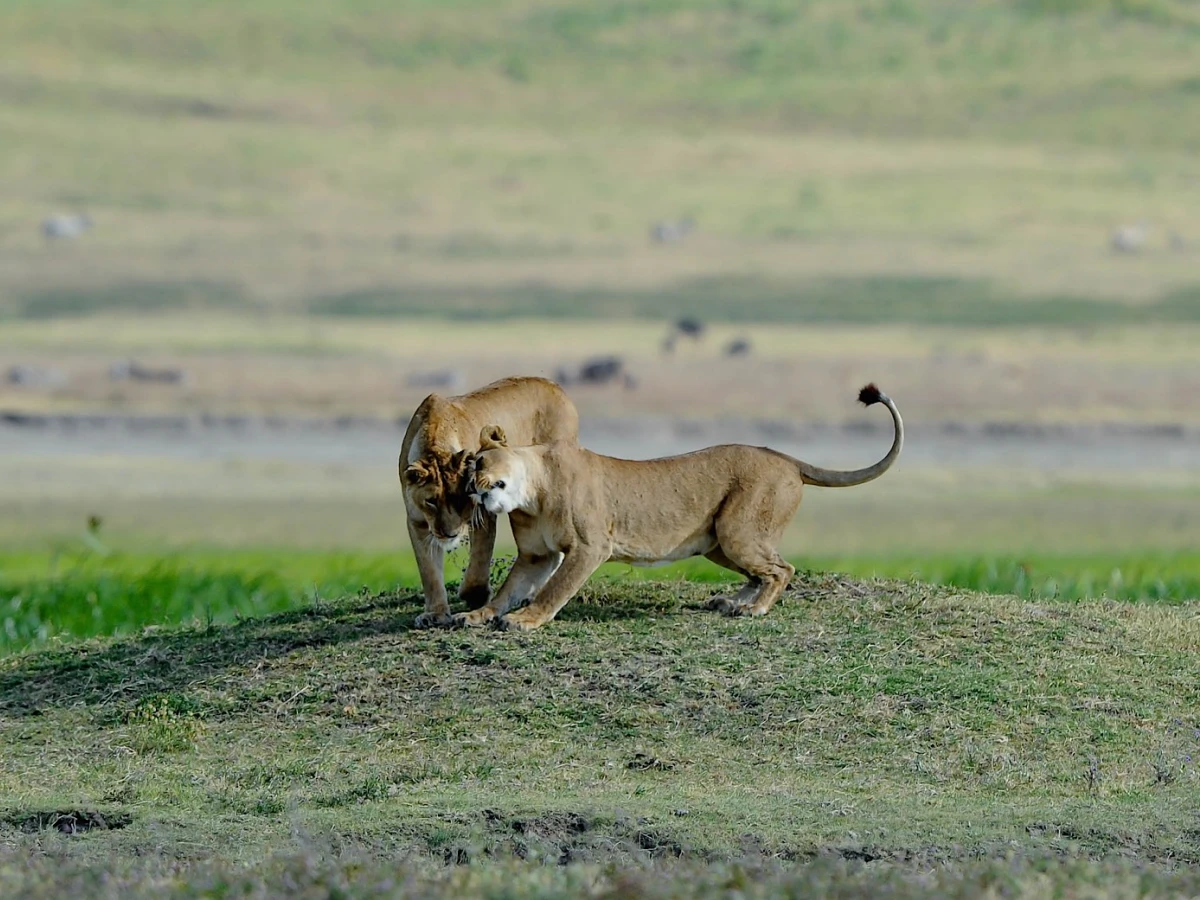
Conservation funding supports habitat protection, ranger operations, and emergency wildlife care
3. The Light Footprint: Eco-Friendly Luxury Lodges
The most exclusive properties in East Africa understand that true luxury means living in harmony with the environment. As part of our responsible travel approach, we prioritize lodges and permanent tented camps that maintain a lighter ecological footprint.
Renewable Energy: Many partner properties operate largely off-grid, powered by advanced solar systems that support everything from kitchens to guest suites.
Waste and Water Management: We prioritize camps that avoid single-use plastics, use gray-water recycling for irrigation, and source produce from local sustainable suppliers.
Building with Nature: The best camps are designed with low-impact architecture and removable structures, reducing long-term environmental scarring.
If you want to compare stay styles and their impact profiles, read our lodges vs. tented camps guide.
4. Respectful Cultural Engagement
A safari is deeply enriched by the people who call the savanna home. But cultural tourism must be handled with respect and authenticity, far beyond performative roadside stops.
When you travel with Classic Explorers, cultural engagements are designed for genuine exchange. Whether it is visiting a Maasai village, walking with a Samburu tracker, or supporting a community beadwork collective, these experiences are structured to foster mutual respect and tangible benefit. Revenue from these visits helps fund schools, clean-water boreholes, and community medical supplies.
For a deeper look at local traditions, explore our Maasai cultural journey.
Why Booking Local Matters
Who you book with matters as much as where you go. As a proudly local operator, recognized by the Kenya Association of Tour Operators (KATO) and an active promoter of Magical Kenya, Classic Explorers helps ensure that the economic benefits of your trip stay within local economies.
By choosing a local expert over a large overseas intermediary, you support local guides, local reservation teams, and local conservation initiatives. Learn more about our approach on the About page.
Your dream safari has the power to protect the savanna for generations to come. Let's design a journey that makes a difference.