Follow the world's greatest wildlife spectacle as millions of wildebeest and zebras journey across the Serengeti-Mara ecosystem. Learn when and where to witness this natural wonder.
The Greatest Show on Earth
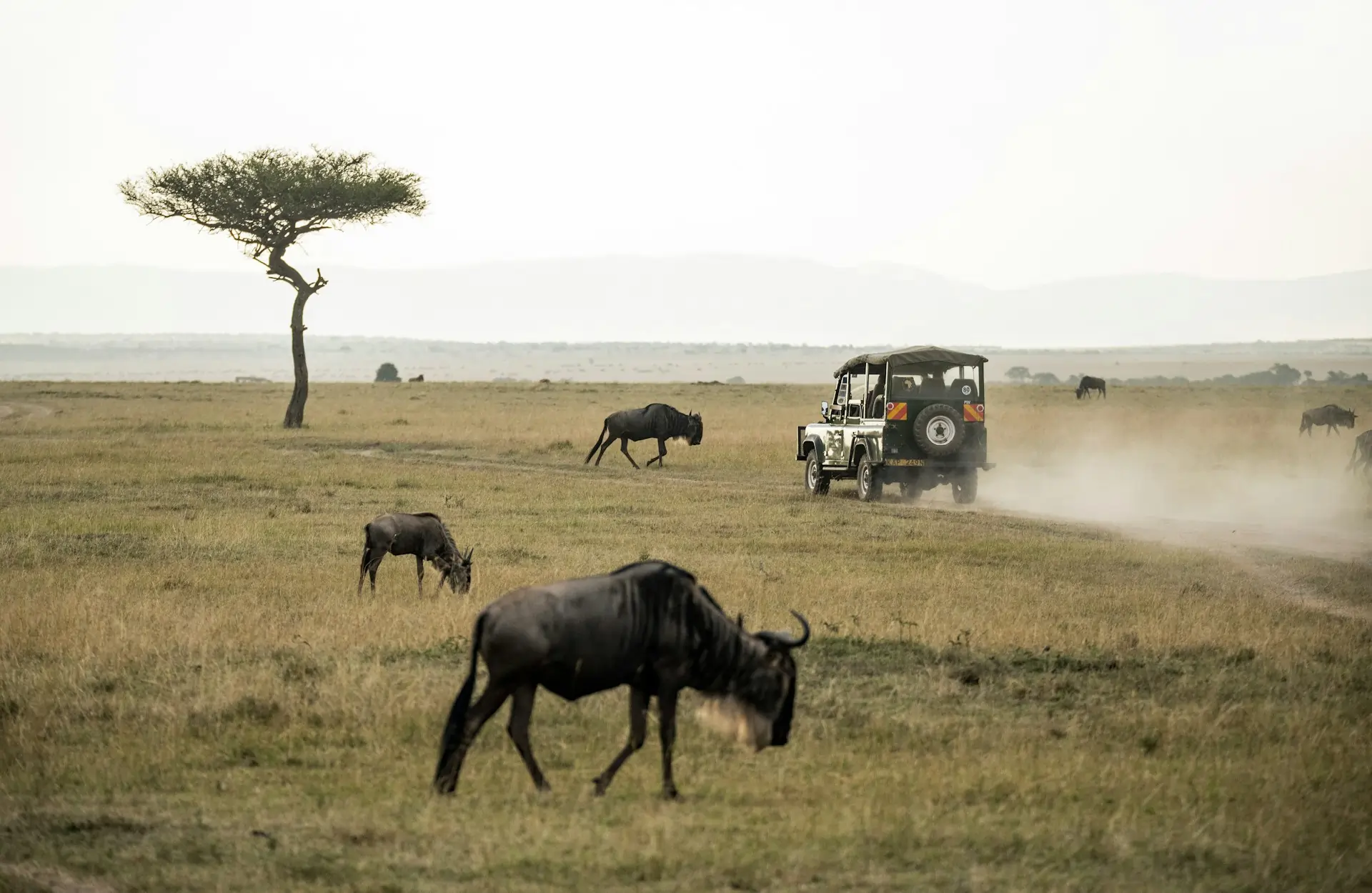
The Great Migration is nature's most spectacular event – a continuous cycle of movement involving over 1.5 million wildebeest, 400,000 zebras, and 200,000 gazelles. This ancient journey follows the rains and fresh grass across the Serengeti-Mara ecosystem, creating one of the world's most incredible wildlife spectacles.
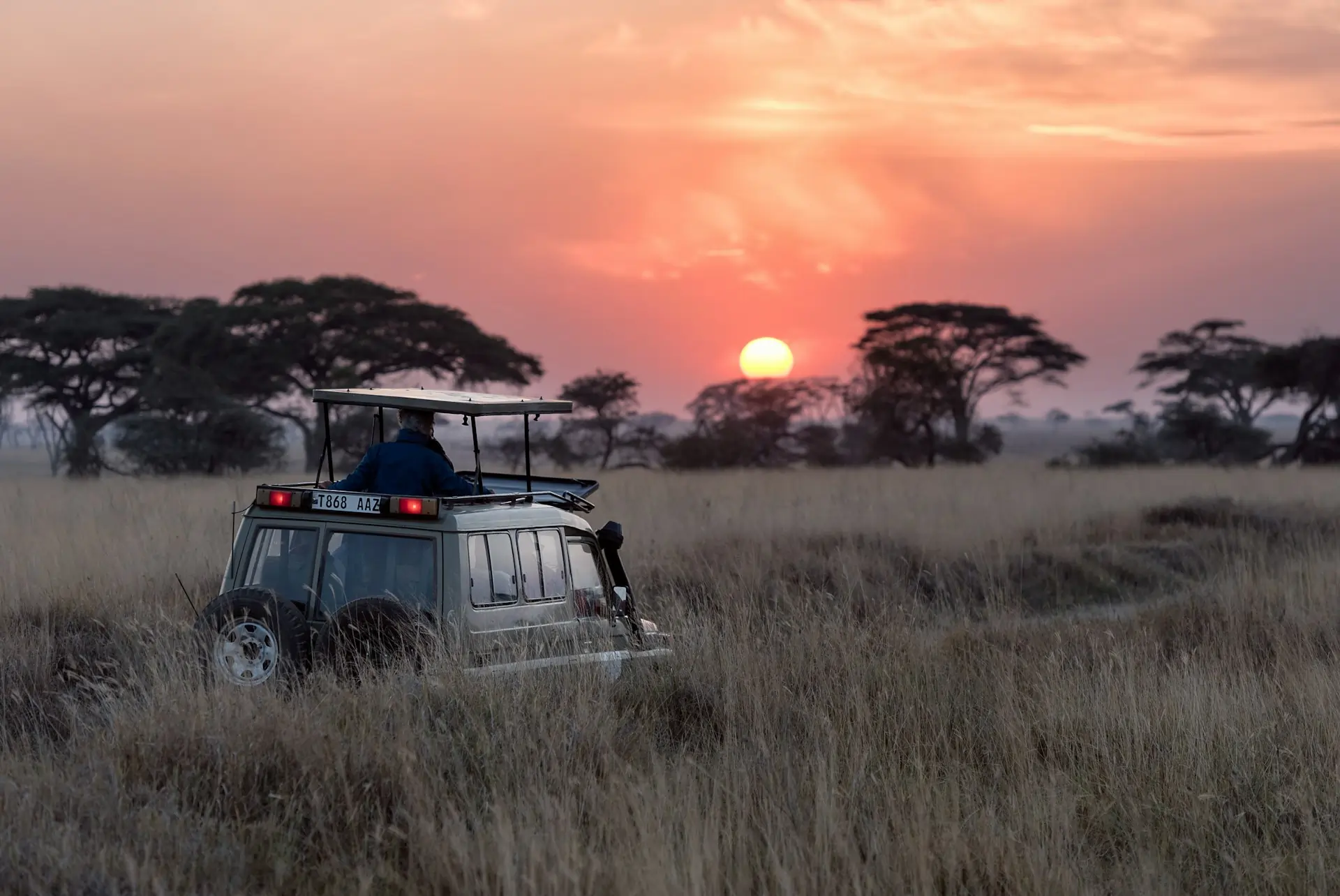
Millions of wildebeest traverse the endless plains of the Serengeti
This epic journey covers approximately 1,800 miles annually, with herds constantly on the move in search of fresh grazing and water. The migration follows a roughly circular route through Tanzania's Serengeti National Park and Kenya's Masai Mara National Reserve.
When and Where to Witness the Migration
The timing of the Great Migration varies each year depending on rainfall patterns, but there are general periods when you're most likely to witness different aspects of this incredible journey:
January - March: Calving Season
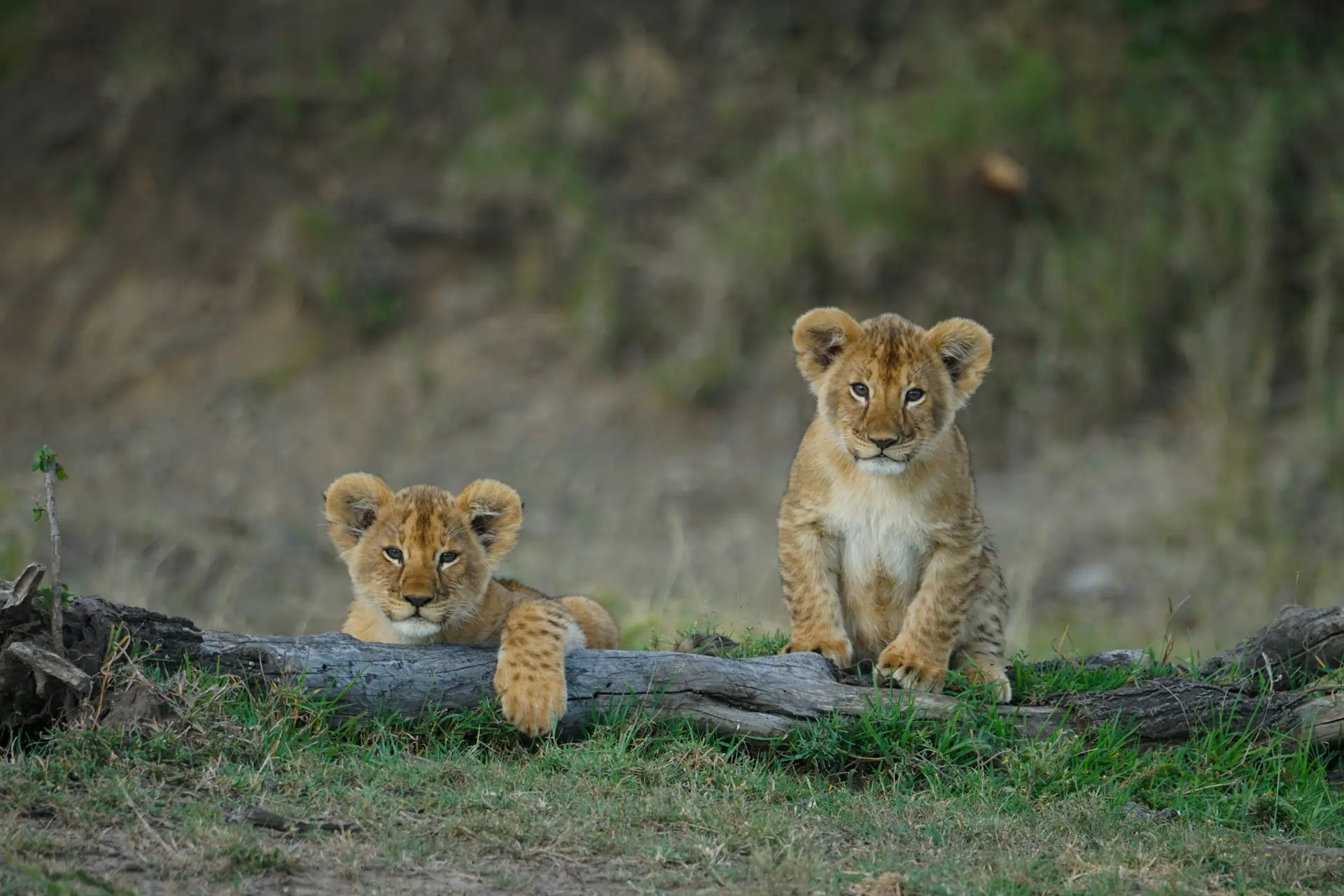
The southern Serengeti and Ndutu area become the nursery for the migration. Over 400,000 calves are born during this period, creating incredible scenes of new life on the plains. This is also when predators are most active, taking advantage of the vulnerable young animals.
April - June: The Great Journey North
As the dry season approaches, the herds begin their journey north through the central and western Serengeti. This is when you'll see the classic images of endless columns of animals stretching to the horizon.
July - October: River Crossings
The most dramatic and famous part of the migration occurs when the herds reach the Mara River. Thousands of animals gather on the riverbanks before making the perilous crossing, facing strong currents and waiting crocodiles. These crossings are unpredictable and can happen multiple times as herds move back and forth across the river.
November - December: The Return South
As the short rains begin in Tanzania, the herds start their journey back south, completing the annual cycle. This is often a quieter time but offers excellent opportunities to see the migration in the northern Serengeti with fewer crowds.
Planning Your Migration Safari
To maximize your chances of witnessing the Great Migration, consider these essential tips:
- Flexibility is key: The migration doesn't follow a strict schedule, so having flexible dates increases your chances of being in the right place at the right time.
- Choose the right camps: Mobile camps that follow the migration offer the best positioning, while permanent lodges provide luxury but may miss the action.
- Plan for multiple locations: A safari covering both the Serengeti and Masai Mara gives you the best chance of encountering the herds.
- Consider the crowds: July-September is peak season with more visitors, while other months offer a more intimate experience.
Beyond the Herds
While the migrating herds are the main attraction, the Serengeti-Mara ecosystem offers incredible wildlife viewing year-round. Resident populations of lions, leopards, cheetahs, elephants, and hundreds of bird species ensure that every game drive is filled with exciting encounters.
The Great Migration is more than just a wildlife spectacle – it's a profound reminder of the natural world's power and beauty. Witnessing this ancient journey connects you to something timeless and wild, creating memories that will last a lifetime.