From camera settings to composition techniques, learn how to capture stunning wildlife photographs on your East African safari. Expert tips from professional safari photographers.
Essential Camera Equipment
The right equipment can make the difference between a good photo and a great one. While you don't need the most expensive gear, certain items are essential for safari photography:
- Telephoto lens (200-600mm): Essential for capturing distant wildlife without disturbing them
- Fast memory cards: High-speed cards prevent buffer delays during action sequences
- Extra batteries: Cold mornings and dust can drain batteries quickly
- Lens cleaning kit: Dust is everywhere on safari – keep your lenses clean
- Bean bag or gimbal head: For stable shots from safari vehicles
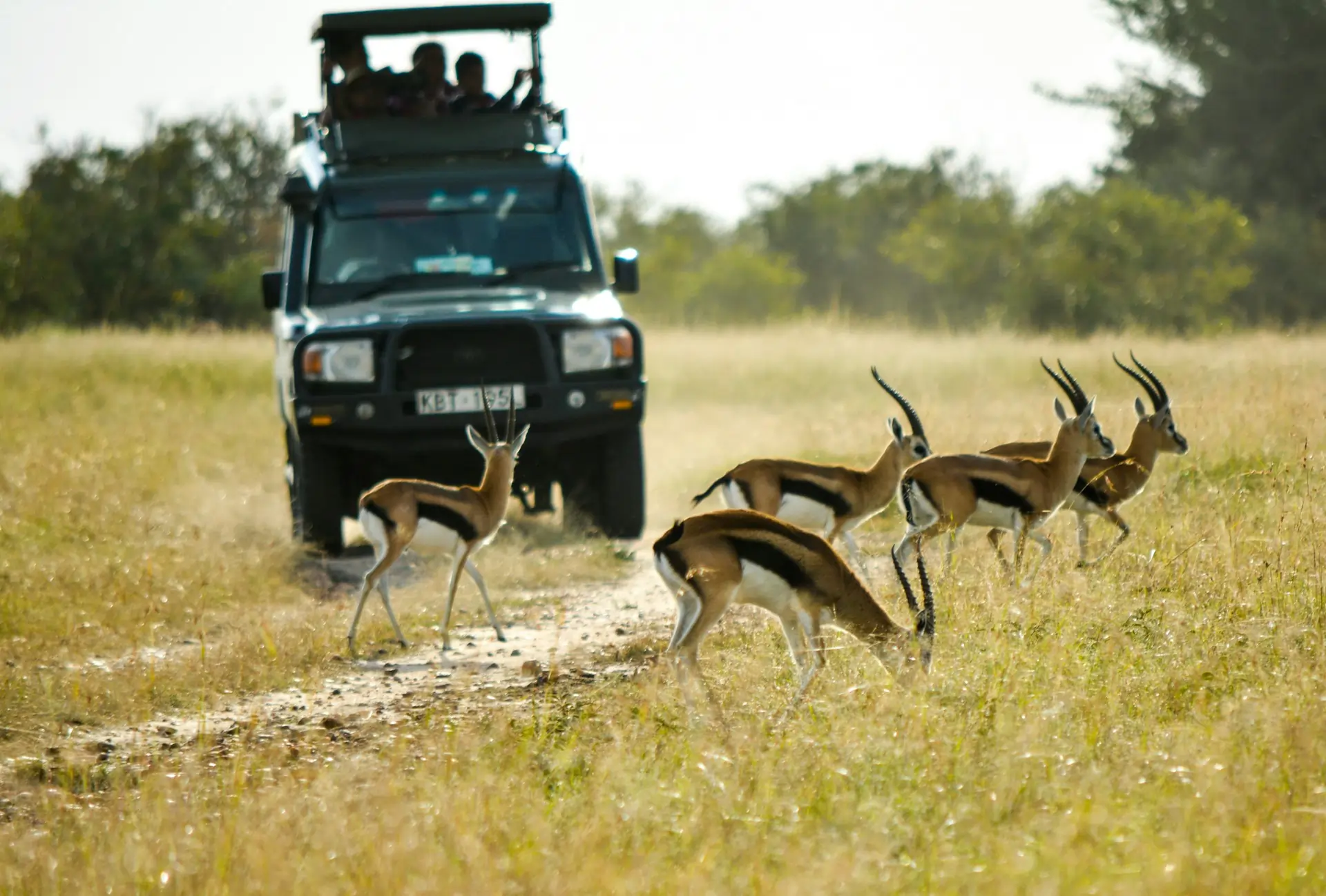
Proper equipment and technique are essential for stunning safari photography
Camera Settings for Wildlife
Wildlife photography requires quick reflexes and the right camera settings. Here are the key settings to master:
Shutter Priority Mode
Use shutter priority (S or Tv mode) to control motion blur. For sharp images of moving animals, use at least 1/500s. For action shots like running cheetahs, go faster – 1/1000s or higher.
Continuous Autofocus
Set your camera to continuous autofocus (AI Servo/AF-C) to track moving subjects. Use single-point autofocus for precise control over what you're focusing on.
ISO Settings
Don't be afraid of higher ISO settings. Modern cameras handle ISO 1600-3200 very well, and a slightly noisy sharp image is better than a blurry one. Early morning and late afternoon light often requires higher ISO values.
Composition Techniques
Technical settings are just the beginning – composition is what makes your photos truly compelling:
Eye Contact
Always focus on the animal's eyes. If the eyes aren't sharp, the photo won't work. Wait for the animal to look toward you or position yourself for the best angle.
Rule of Thirds
Place your subject along the rule of thirds lines rather than centering them. This creates more dynamic and visually interesting compositions.
Fill the Frame
Don't be afraid to crop tight on your subject. A frame-filling portrait of a lion's face can be more impactful than a wide shot showing the entire animal.
Ethical Wildlife Photography
Remember that you're a guest in the animals' home. Always maintain respectful distances, never interfere with natural behavior, and follow your guide's instructions. The welfare of the wildlife always comes before getting the shot.
Great safari photography combines technical skill with patience, respect for wildlife, and a deep appreciation for the natural world. With practice and the right approach, you'll return home with images that not only document your safari but truly capture the spirit of Africa's incredible wildlife.