About Bwindi
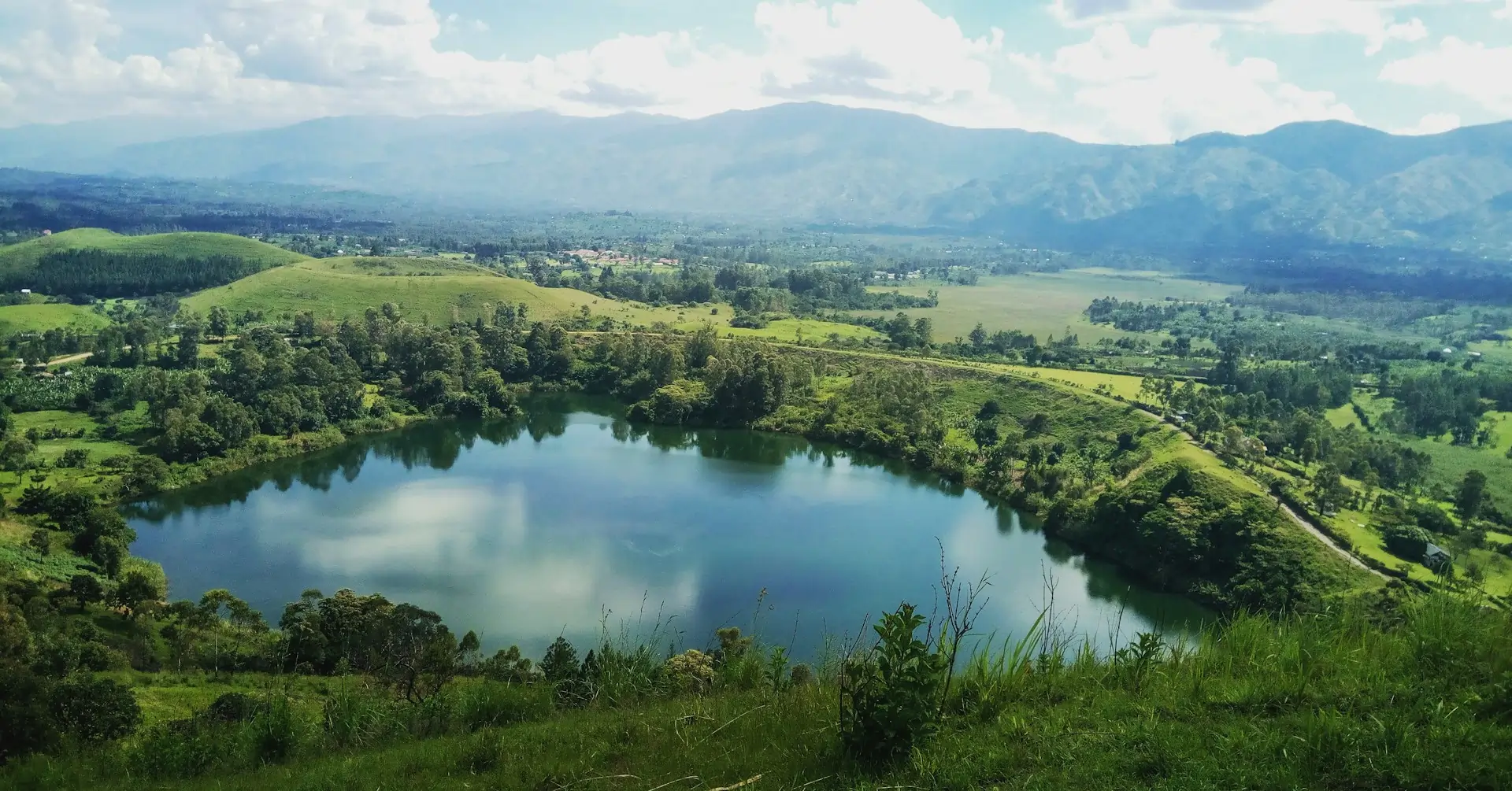
Bwindi Impenetrable National Park protects one of Africa's oldest and most biologically diverse rainforests, a steep, mist-covered landscape of ridges and valleys in south-western Uganda.
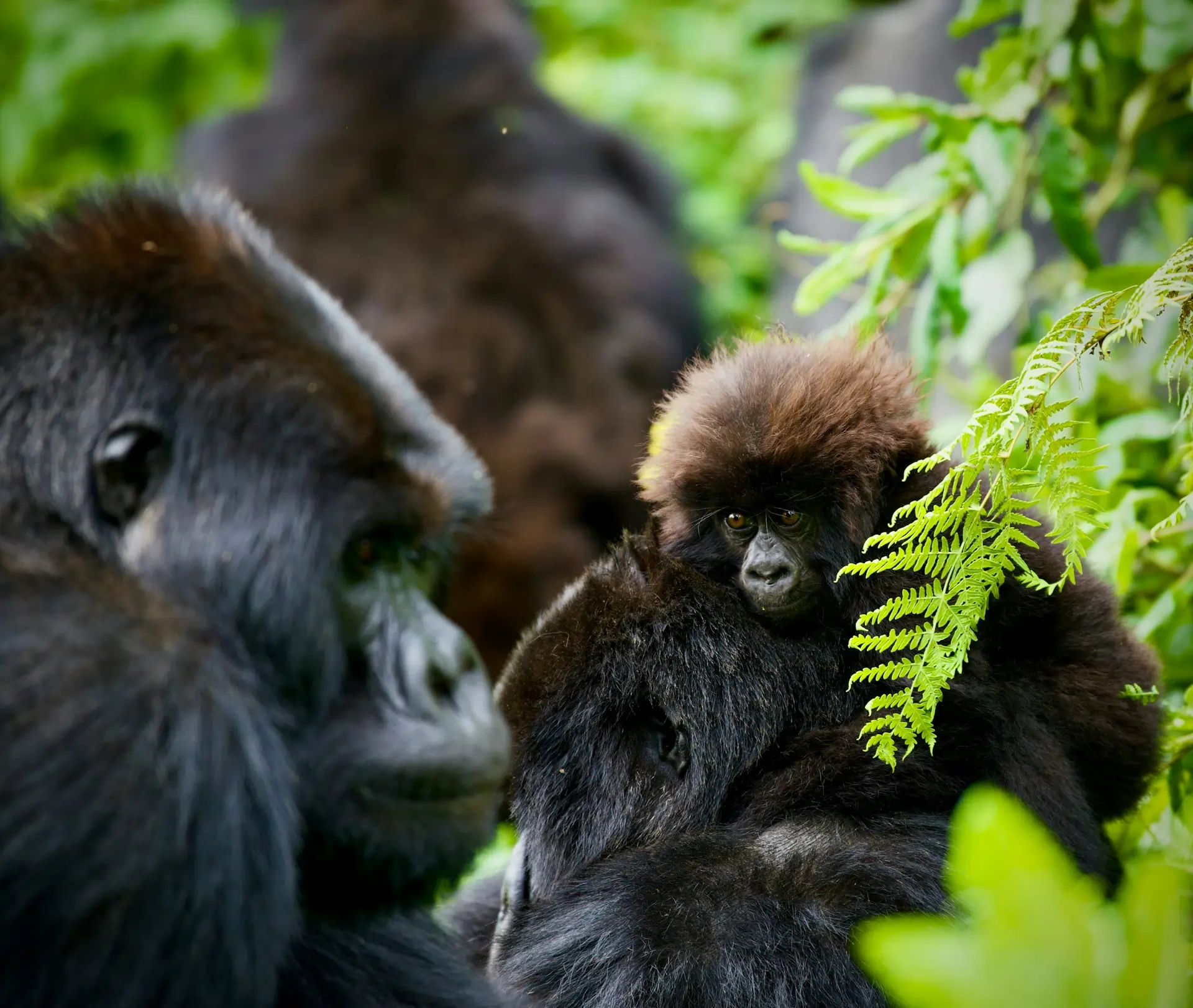
The park is home to almost half of the world's remaining mountain gorillas, and is one of the best places on Earth to see them. Spending an hour with a habituated gorilla family in the forest is one of the most moving wildlife experiences anywhere.
Bwindi is a UNESCO World Heritage Site and is also rich in birdlife, including many species found only in the Albertine Rift. Its four trekking sectors offer different landscapes, lodges and access routes.
Location
South-western Uganda
Size
About 330 km²
Best Time
June–August & December–February
Getting There
Flights from Entebbe to Kihihi or Kisoro
Permits
Required; book well in advance
Known For
Mountain gorilla trekking
Why Visit Bwindi
Gorilla Trekking
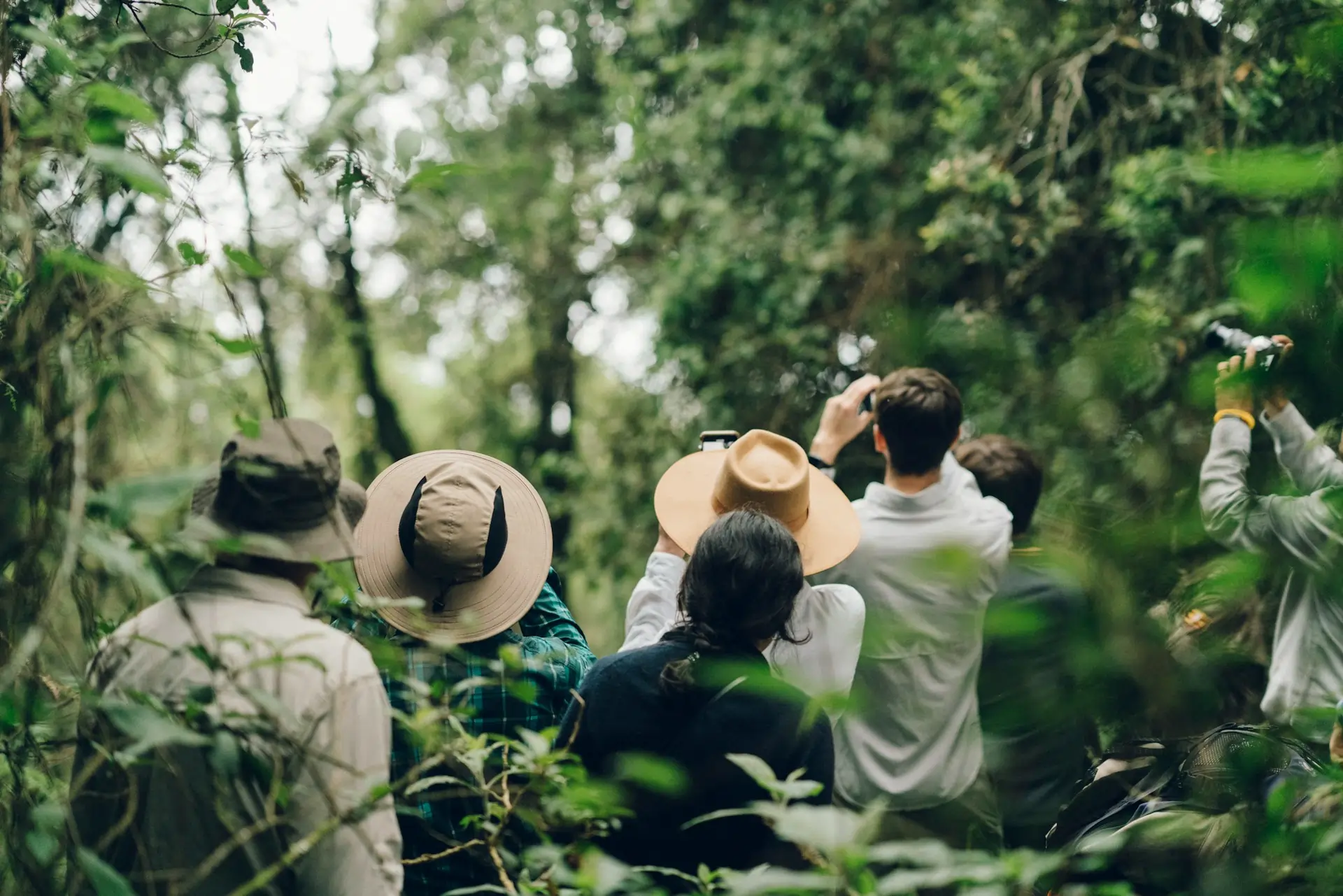
Trek through the forest with expert trackers and rangers to spend an unforgettable hour with a habituated gorilla family.
Gorilla Habituation Experience
Spend up to four hours with a gorilla family that is being habituated to people, alongside researchers and trackers.
Four Trekking Sectors
Buhoma, Ruhija, Rushaga and Nkuringo each offer different gorilla families, scenery and accommodation.
Albertine Rift Birding
Bwindi is one of Africa's top birding destinations, with many species endemic to the Albertine Rift.
Community Experiences
Learn about the Batwa people and local communities whose lives are closely linked to the forest.
Forest Walks
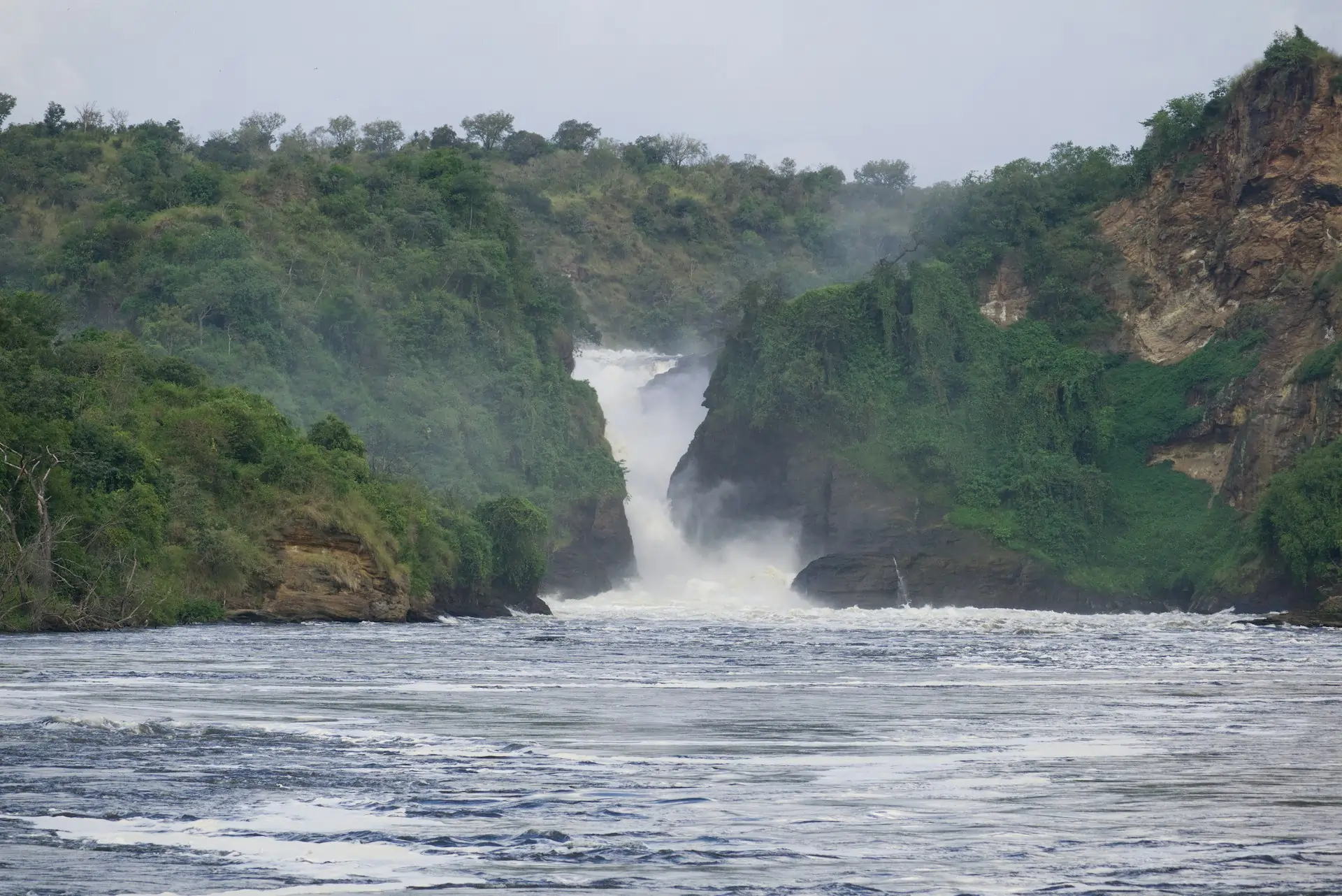
Guided nature walks lead to waterfalls, viewpoints and quieter corners of the rainforest.
Wildlife in Bwindi
Alongside its mountain gorillas, Bwindi supports:
- Mountain gorillas
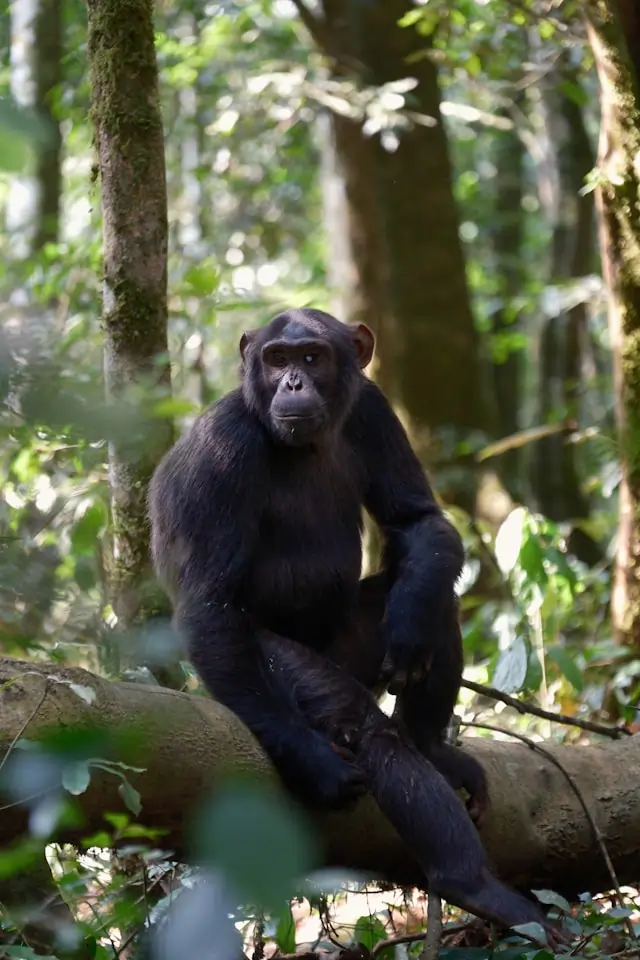
- Chimpanzees, L'Hoest's monkeys and black-and-white colobus
- Forest elephants and duikers
- Many Albertine Rift endemic birds
- A remarkable variety of butterflies
- Tree ferns and ancient forest plants
Trekking can take anywhere from one to several hours on steep, muddy terrain. A reasonable level of fitness is recommended, and porters are available to help.
When to Visit Bwindi
Gorilla trekking takes place year-round, but the drier months usually offer easier trails.
Dry Seasons
June – August & December – February
The most popular trekking months, with firmer paths. Permits sell out quickly, so book early.
Wet Seasons
March – May & September – November
Lush forest, fewer visitors and good availability. Trails are slippery, so waterproof boots are essential.
Where to Stay in Bwindi
Lodges are located close to each trekking sector. Staying near the sector where your permit is issued is important, as roads between sectors can take several hours.
Buhoma
The northern sector, with a good choice of lodges and easy access from Queen Elizabeth National Park.
Rushaga and Nkuringo
The southern sectors, convenient for Lake Bunyonyi and for travellers arriving from Rwanda.
Ruhija
A high-altitude sector in the east, popular with birders and travellers seeking a quieter experience.
Getting to Bwindi
Scheduled and charter flights connect Entebbe with the Kihihi and Kisoro airstrips, followed by a drive to the lodges.
By road, Bwindi is around 8 to 10 hours from Kampala or Entebbe. The southern sectors can also be reached from Kigali in Rwanda in around four to five hours.
Safaris That Visit Bwindi
Gorilla Trekking
3 Days Uganda Gorillas Tracking
A 3-day gorilla tracking expedition to Bwindi Impenetrable Forest, home to over half the world's remaining mountain gorillas, with optional Batwa community visit and incredible biodiversity.
Gorilla Trekking
5 Days Uganda Gorillas Trekking & Safari Experience
A 5-day Uganda adventure combining gorilla trekking in Bwindi, tree-climbing lions in Ishasha, Kazinga Channel boat cruise, and chimpanzee tracking in Kyambura Gorge.
Gorilla Trekking
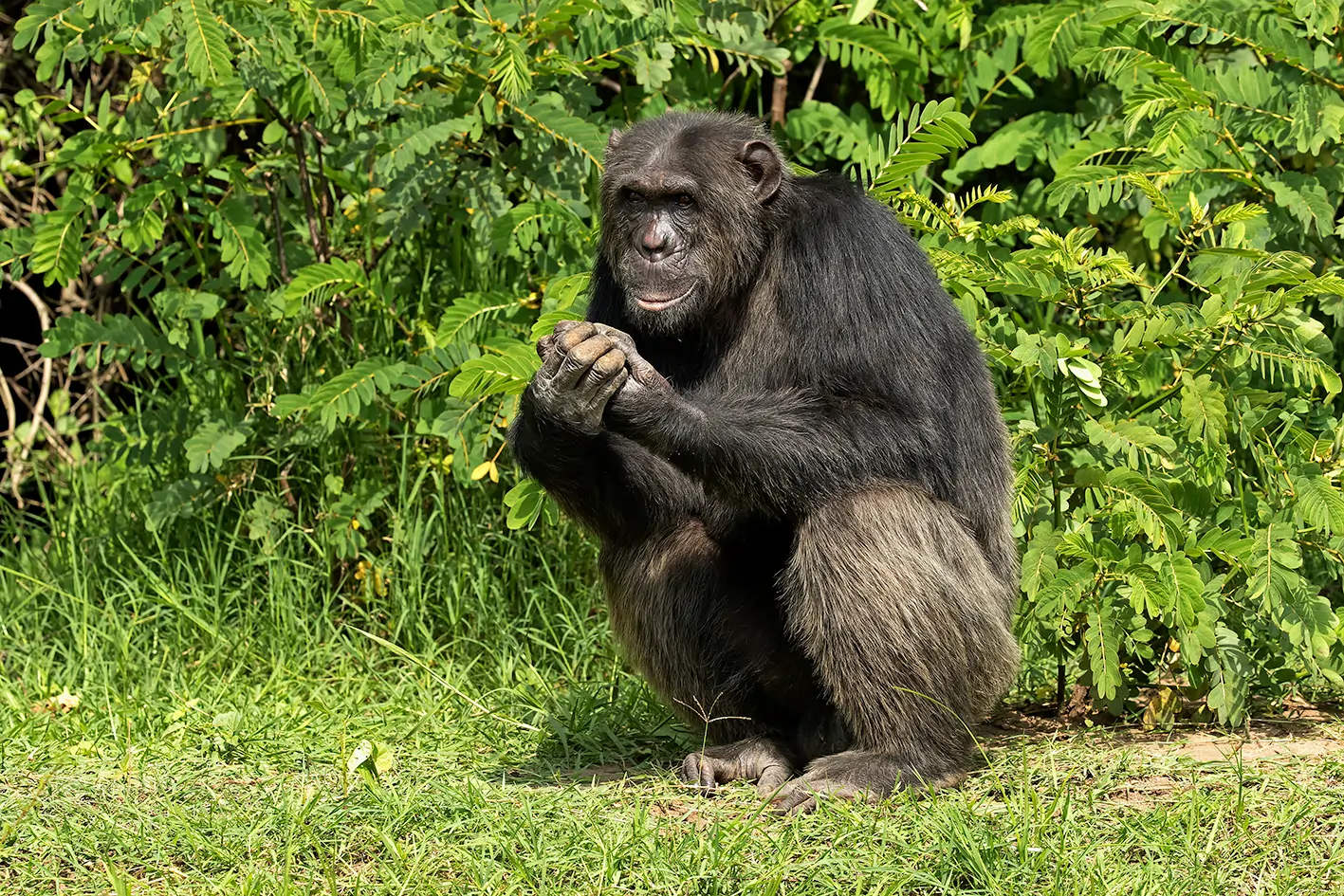
7 Days Uganda Gorillas & Chimpanzees Experience
A 7-day Uganda primate safari featuring chimpanzee tracking in Kibale Forest, wildlife in Queen Elizabeth National Park, tree-climbing lions in Ishasha, and mountain gorilla trekking in Bwindi.
Bwindi FAQs
How much is a gorilla permit in Uganda?
Permit prices are set by the Uganda Wildlife Authority and change from time to time. Contact us for current prices and availability.
How long is a gorilla trek?
Treks can take between one and several hours, depending on where the gorillas are. Once you find them, you spend one hour with the family.
Is there a minimum age for gorilla trekking?
Yes. Trekkers must be at least 15 years old.
Should I trek in Uganda or Rwanda?
Both offer outstanding experiences. Uganda's permits are generally less expensive, while Rwanda's Volcanoes National Park is closer to Kigali. Our gorilla trekking comparison guide explains the differences.