About Rwenzori Mountains
The Rwenzori Mountains, often called the Mountains of the Moon, rise along Uganda's western border with the Democratic Republic of the Congo. This is one of Africa's most dramatic and least-visited mountain ranges.
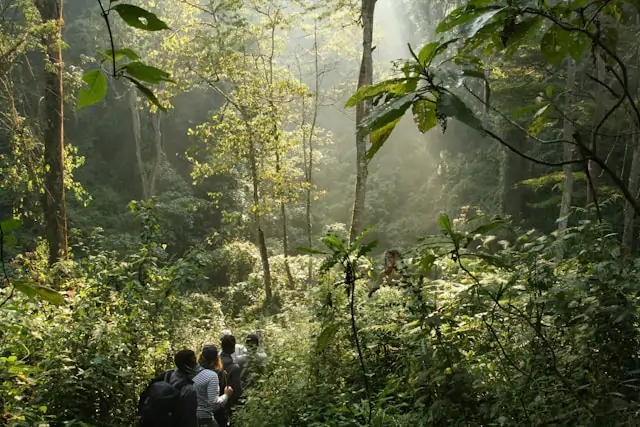
Margherita Peak on Mount Stanley reaches 5,109 metres, making it the third-highest point in Africa. Unlike Kilimanjaro, the Rwenzoris are a range of jagged peaks, glaciers, lakes and deep valleys filled with giant lobelias, groundsels and moss-draped forest.
Rwenzori Mountains National Park is a UNESCO World Heritage Site. Experiences range from day hikes in the foothills to multi-day treks through the high valleys, with summit routes for experienced climbers.
Location
Western Uganda, DRC border
Highest Peak
Margherita Peak, 5,109 m
Best Time
December–February & June–August
Trek Length
Day hikes to 7–9-day treks
Difficulty
Challenging; summit is technical
Known For
Glaciers & giant plants
Why Visit Rwenzori Mountains
Glaciated Peaks
Some of Africa's few remaining equatorial glaciers cling to the range's highest summits.
Giant Vegetation
Walk among giant lobelias, groundsels and heathers in some of the world's most unusual alpine landscapes.
Multi-Day Treks
Circuit treks lead through high valleys, past mountain lakes and towards the main peaks.
Day Hikes
Shorter walks in the foothills offer forest, waterfalls and village visits without a major climb.
Bakonzo Culture
The Bakonzo people live on the mountain's slopes and many work as guides and porters.
Albertine Rift Birds
The forests are home to many Albertine Rift endemic birds, including the Rwenzori turaco.
When to Visit Rwenzori Mountains
The Rwenzoris are among the wettest mountains in Africa, so the drier months are strongly recommended.
Drier Seasons
December – February & June – August
The best time to trek, with fewer rainy days and better chances of clear views.
Wet Seasons
March – May & September – November
Heavy rain makes trails very muddy and slippery, and summit attempts more difficult.
Where to Stay in Rwenzori Mountains
Trekkers usually stay near the trailheads before and after their trek.
Foothill Lodges
Comfortable lodges and guesthouses near the trailheads and the town of Kasese.
Mountain Huts and Camps
Simple huts and camps along the trekking routes, supported by guides and porters.
Fort Portal
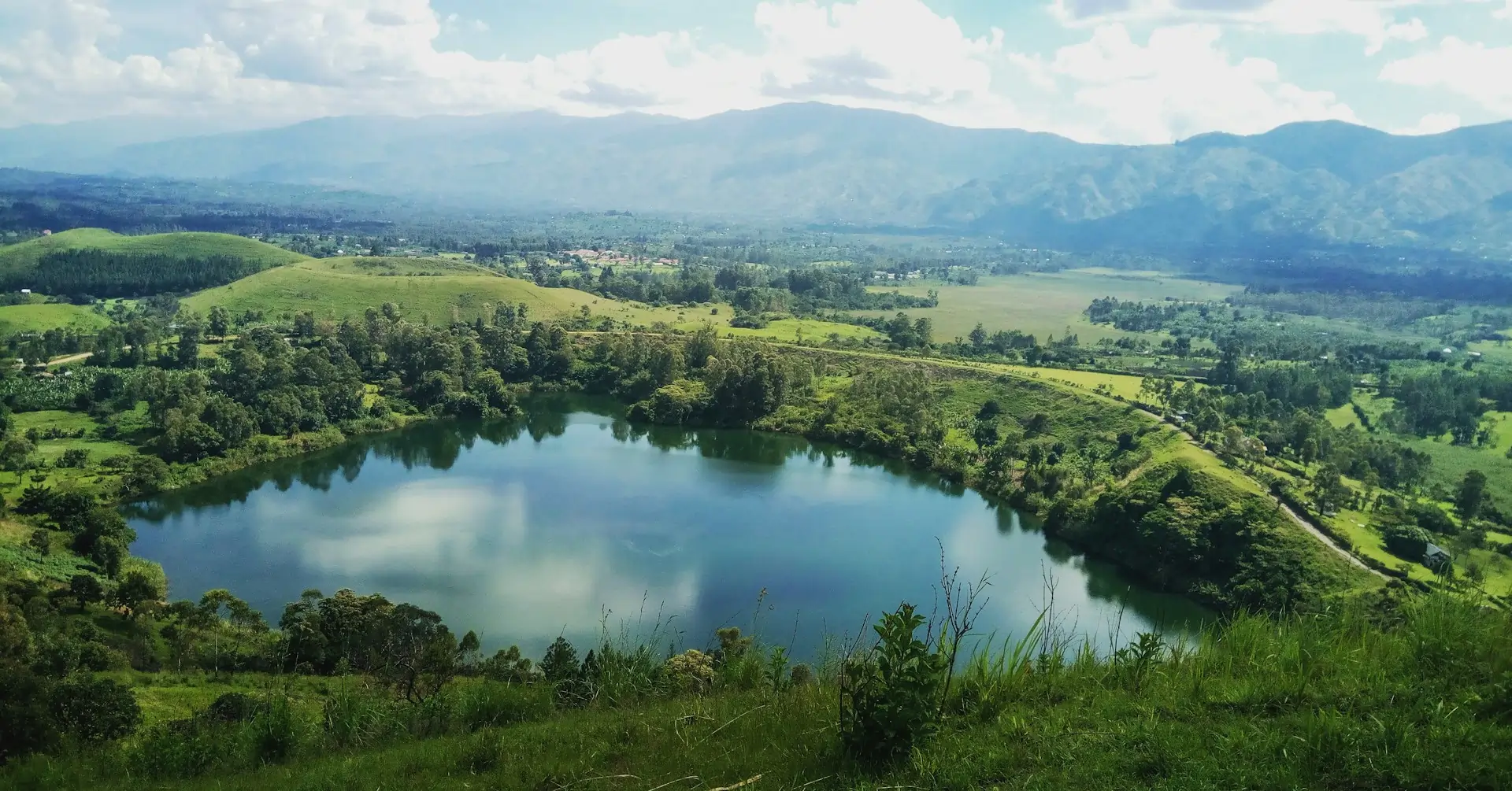
A pleasant base for the region, combining the Rwenzoris with Kibale and the crater lakes.
Getting to Rwenzori Mountains
The main trailheads lie near Kasese, around six to seven hours by road from Kampala. Flights to Kasese shorten the journey.
The Rwenzoris combine well with Kibale, Queen Elizabeth National Park and the Fort Portal crater lakes.
Rwenzori Mountains FAQs
How hard is it to climb the Rwenzori Mountains?
Multi-day treks are physically demanding due to steep, muddy terrain and frequent rain. Reaching Margherita Peak involves glacier travel and requires ropes, crampons and an experienced guide.
Can I visit the Rwenzoris without climbing to the summit?
Yes. Day hikes and shorter treks explore the forests and lower valleys without a summit attempt.
How does the Rwenzori compare with Kilimanjaro?
Kilimanjaro is higher but non-technical. The Rwenzoris are wetter, more remote and more rugged, with a technical summit.