For many travelers, safari planning defaults to one idea: visit only during the dry season. But if you are researching the best time for an East Africa safari, the answer is more nuanced. Kenya and Tanzania offer extraordinary wildlife year-round, and some of the most rewarding moments happen during the Green Season.
The Great Migration is a continuous cycle, not a single river-crossing headline. If you care about predator intensity, dramatic skies, fewer vehicles, and stronger value at high-end camps, Green Season deserves a serious place on your shortlist.
1. The Serengeti Calving Season: New Life and High Drama
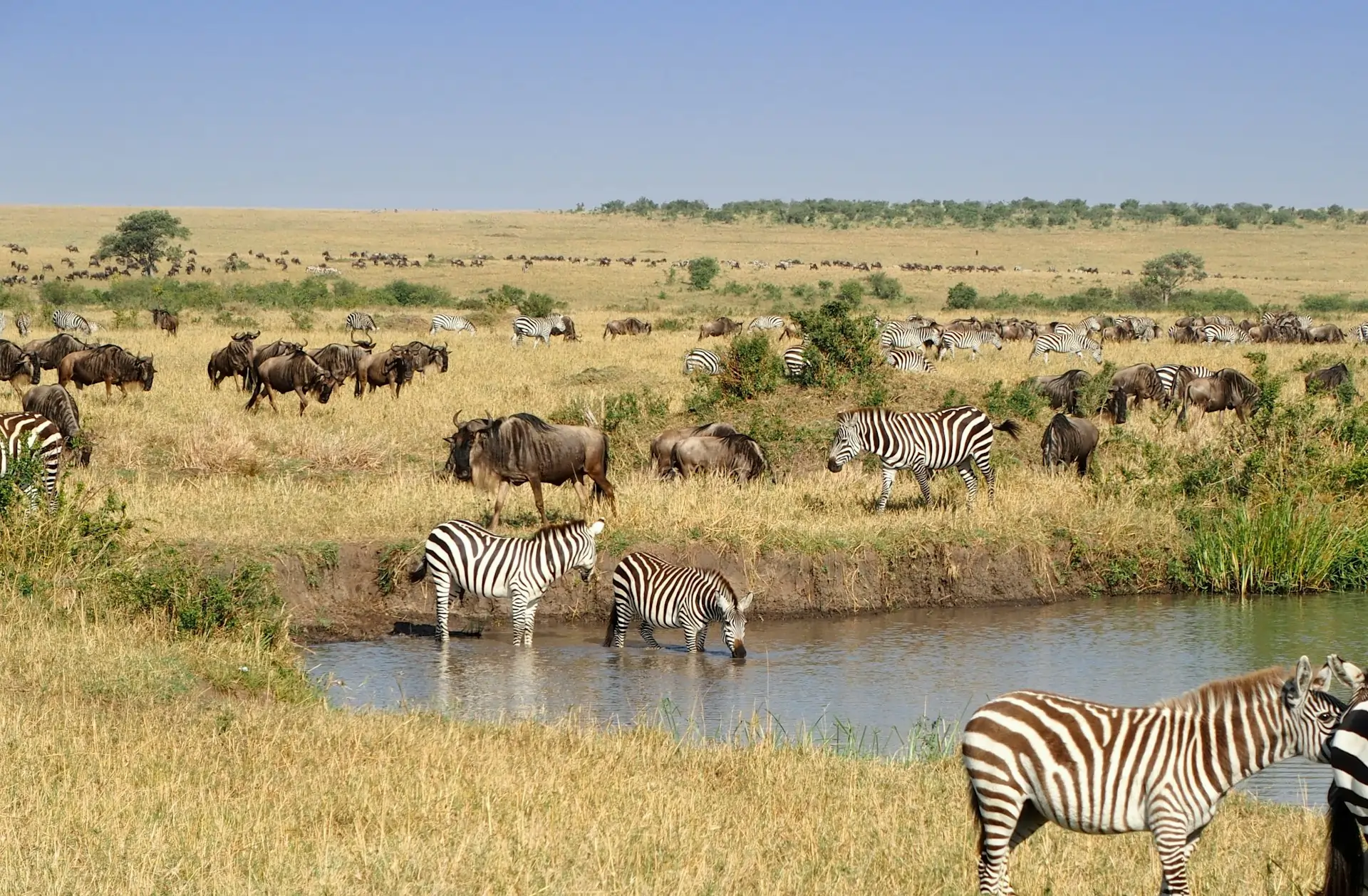
While the Mara River crossings get most of the mainstream attention, the migration is continuous. Between January and February, the herds gather on the nutrient-rich short grass plains of the southern Serengeti and Ndutu for calving season.
The Spectacle: Over a span of just a few weeks, an estimated 8,000 wildebeest calves are born every single day.
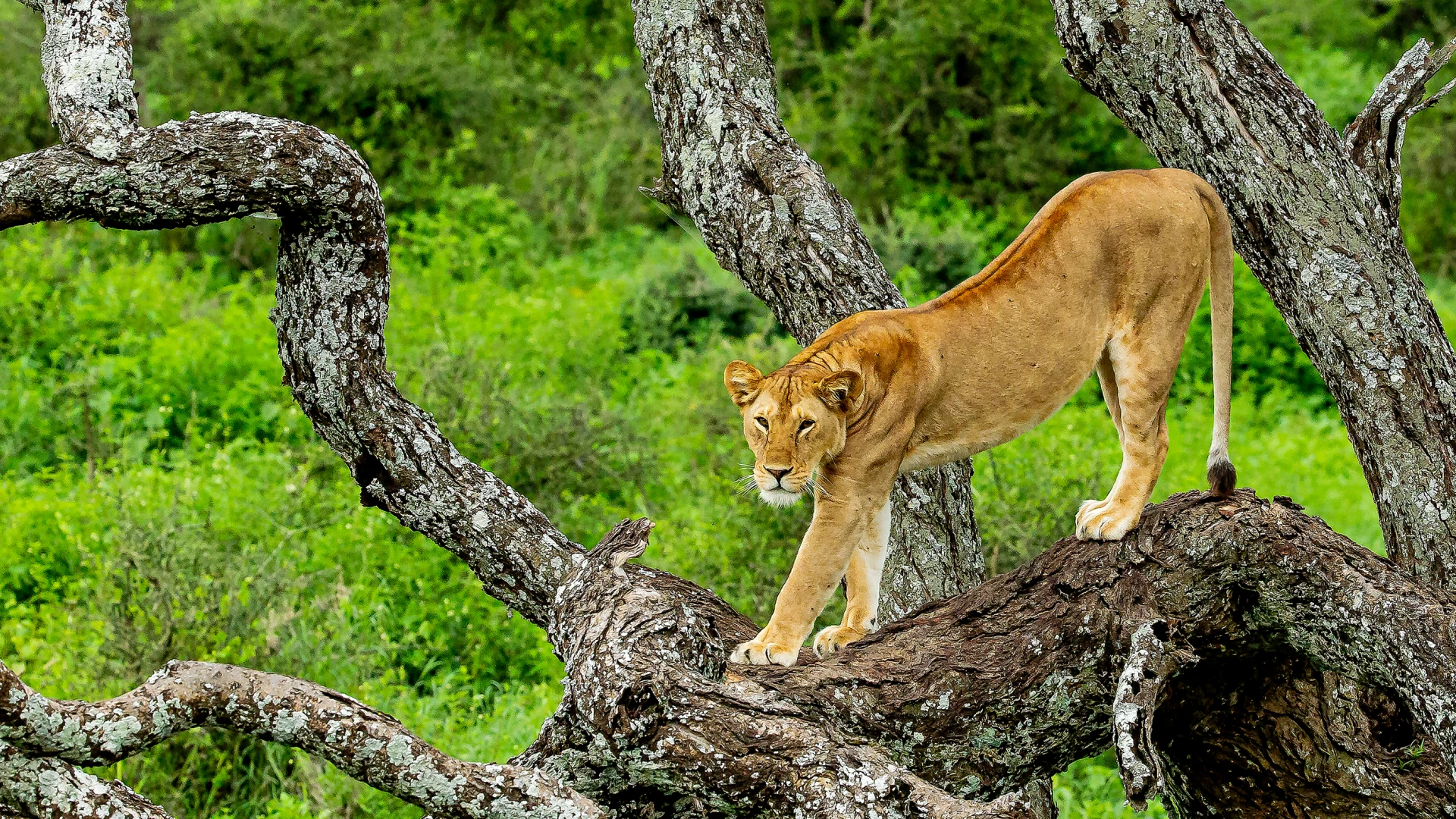
The Action: With such an abundance of vulnerable new life, predator activity is at its peak. Cheetahs, lions, leopards, and hyenas converge on the herds, creating some of the most intense wildlife viewing of the entire year.
If this is the experience you want, itineraries such as our 11 Days Kenya & Tanzania Safari can be timed around calving movement patterns in the southern Serengeti ecosystem.
Calving season concentrates wildlife and predator action across the southern Serengeti plains
2. A Photographer's Dream: Lush Landscapes and Dramatic Skies
During the dry season, the air can be thick with dust, muting color and flattening backgrounds. Green Season rains clean the atmosphere and transform visibility.
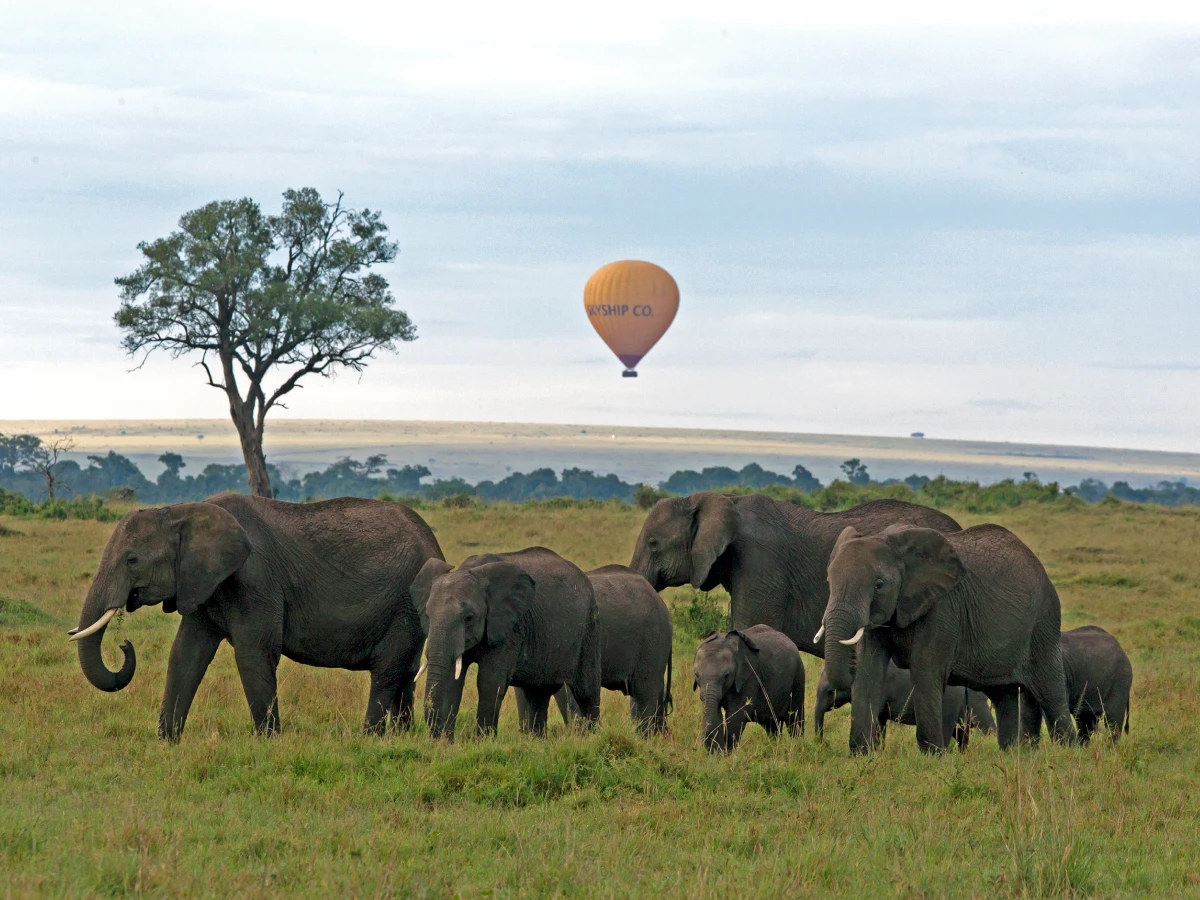
Vibrant Colors: Parched yellow plains shift into rich shades of green, creating striking contrast against dark predator coats and the grey silhouettes of elephants.
Dramatic Lighting: Afternoon thunderstorms build brooding cloud structures that are often pierced by shafts of warm light - exactly the kind of scene landscape and wildlife photographers chase.
For practical camera prep, see our safari photography guide.
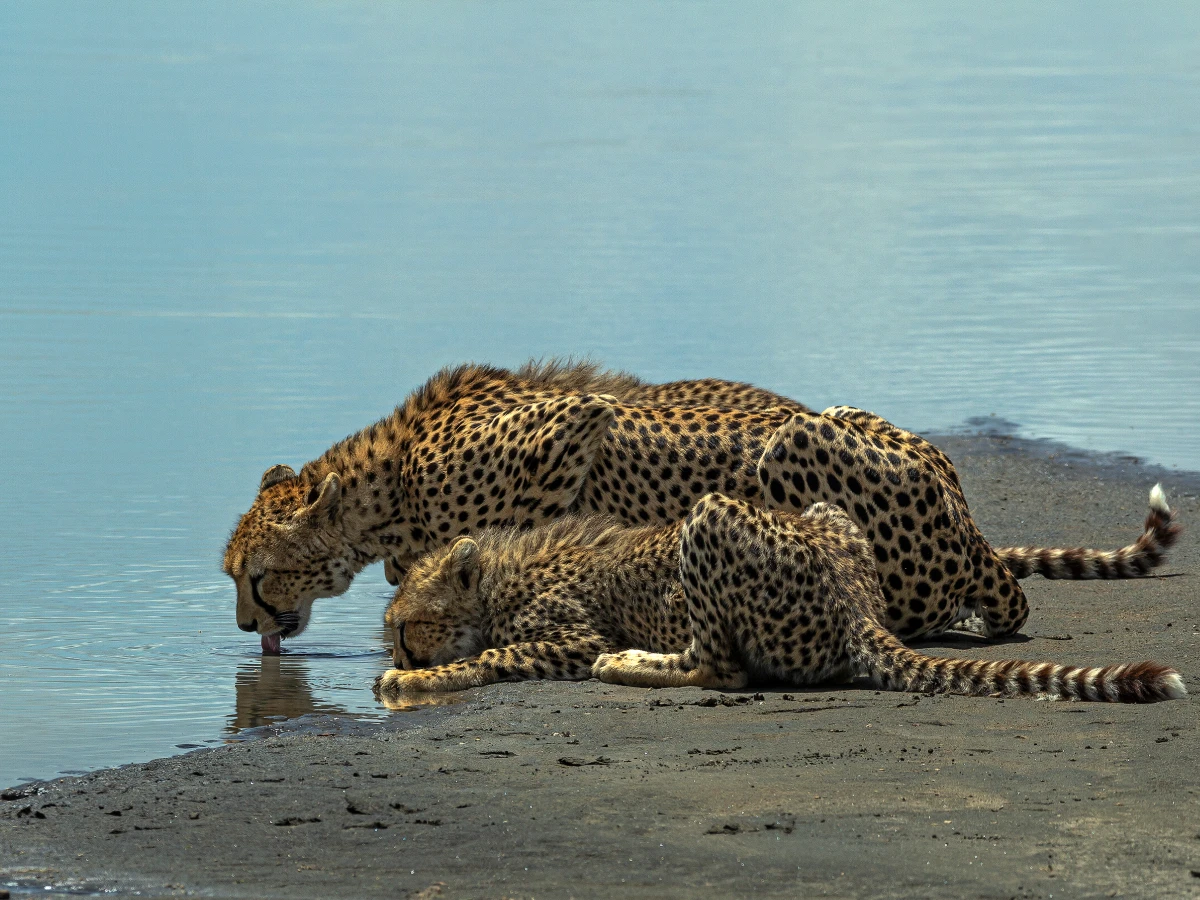
Cleaner air and active predators make Green Season exceptionally photogenic
3. A Birder's Paradise
Even travelers who do not identify as birders are often surprised by how quickly East Africa's avian diversity wins them over.
During Green Season, resident species are in brilliant breeding plumage, and migratory birds from Europe and North Africa arrive across Kenya and Tanzania. Wetlands fill with flamingos, storks, and kingfishers, making this one of the best periods of the year for birdwatching.
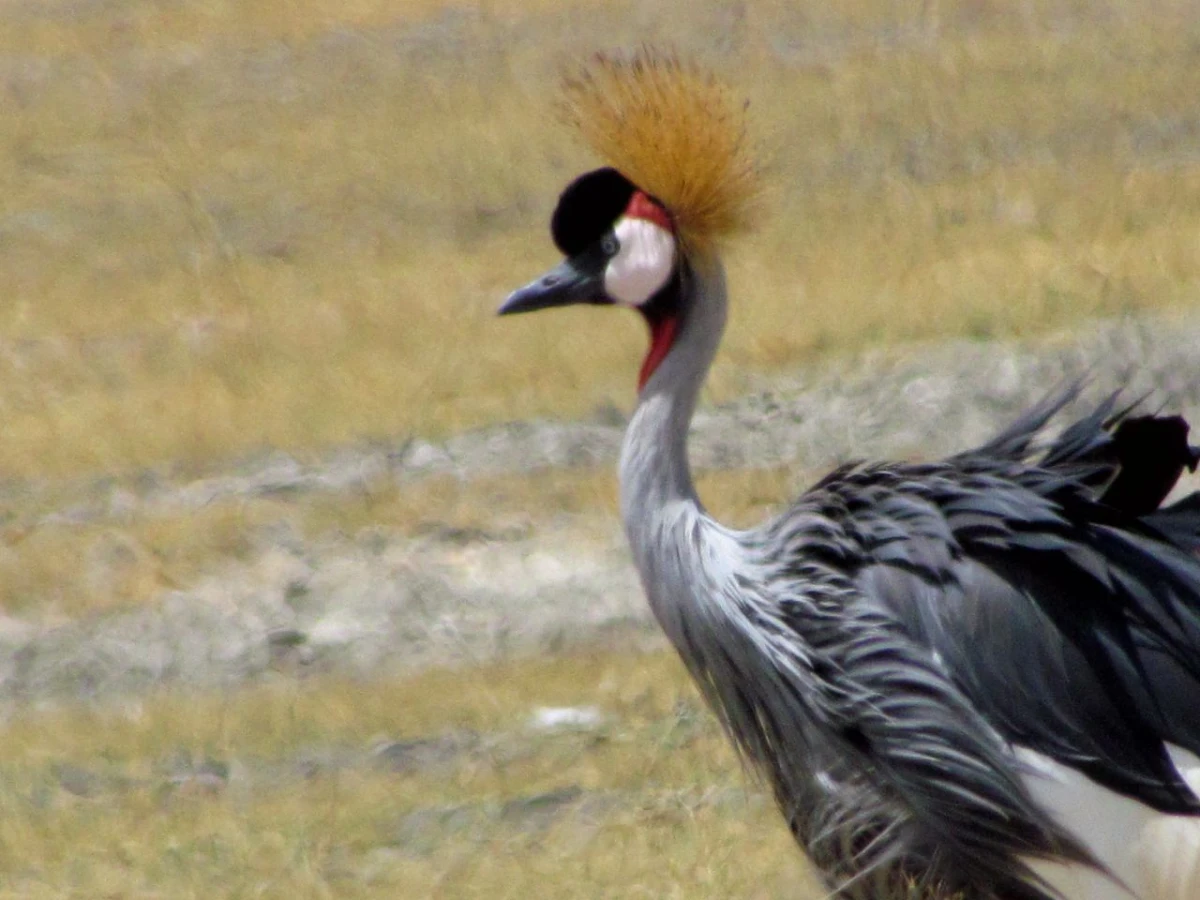
Wet-season habitats attract both resident and migratory birds across northern Tanzania
4. The Ultimate Luxury: Having the Savanna to Yourself
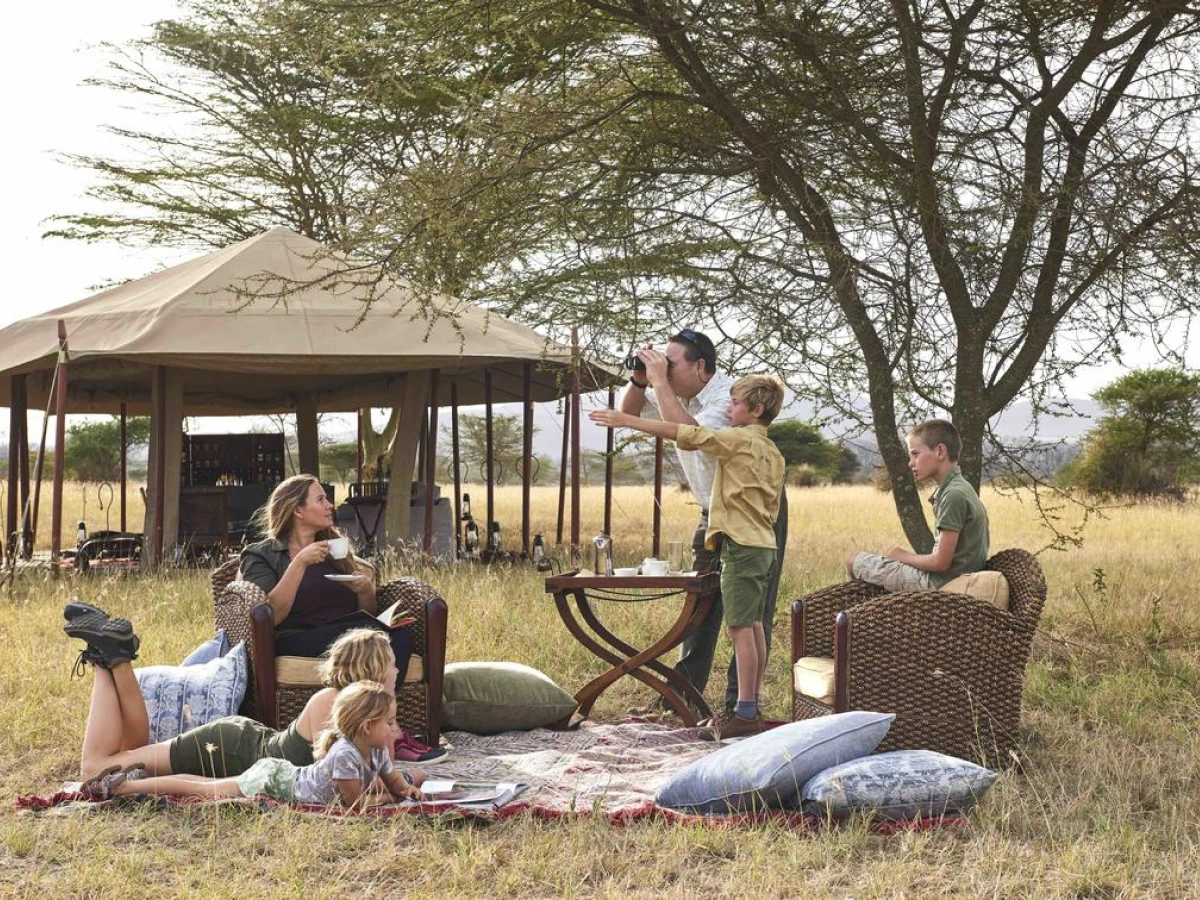
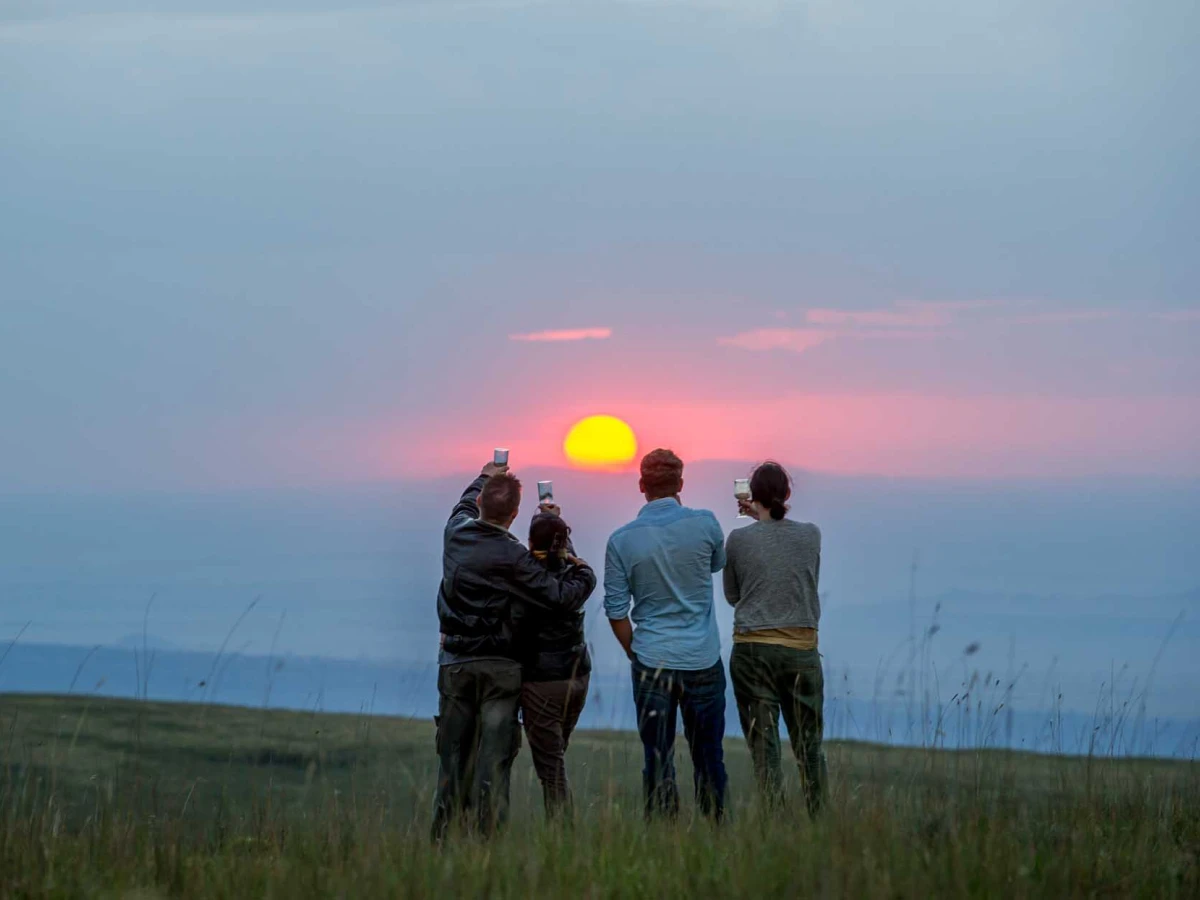
One of the biggest advantages of Green Season is exclusivity. In peak months, headline sightings can attract multiple vehicles. In off-peak months, the same scene may be shared by only one or two cars.
You can spend long stretches watching a leopard in a tree or a herd of elephants in a fresh mud wallow without crowd pressure. That sense of space is the true essence of a private safari.
5. Exceptional Value at Exclusive Lodges
Because these months are typically classified as off-peak, many of East Africa's most exclusive lodges and tented camps offer more competitive rates.
Travelers can often access top-tier suites, private plunge pools, and personalized service for significantly better value than peak season. This can free up budget to extend your trip or upgrade your stay profile. If you are comparing stay styles, our lodges vs. tented camps guide is a good next read.
6. Best Months for a Green Season Safari in Tanzania and Kenya
Green Season is not one uniform weather block. Different windows deliver different strengths for wildlife viewing, photography, and pricing.
- November to December: Short rains begin, landscapes recover quickly, and crowd levels remain low across many key parks.
- January to February: Prime months for a Serengeti calving season safari in Ndutu, with excellent predator-prey interaction.
- March: Rich color, dramatic cloud formations, and strong shoulder-season value before long-rain transitions.
Rain often comes in bursts rather than all day, and well-planned routes still deliver exceptional game viewing. The key is matching the right region to the right month with a local specialist.
Redefining the Safari Calendar
A safari is never one-size-fits-all, and the best time to travel depends on what you care about most. If you prioritize predator action, rich photographic conditions, exclusivity, and value, Green Season is hard to beat for a private East Africa safari.
Ready to explore the Emerald Season? Browse our East Africa safari itineraries and speak with our team via Contact to craft your bespoke off-peak journey.