When most travelers picture Kenya, they imagine the Masai Mara. But north of the central highlands lies another world entirely: drier, wilder, and more rugged. Samburu National Reserve offers a very different safari character, and for many returning travelers, it becomes a favorite.
This is where you trade wide green plains for dramatic riverine forest, red earth, and a quieter sense of exploration. It is also one of the best places in East Africa to search for the famous Special Five - species associated with northern Kenya's arid ecosystems.
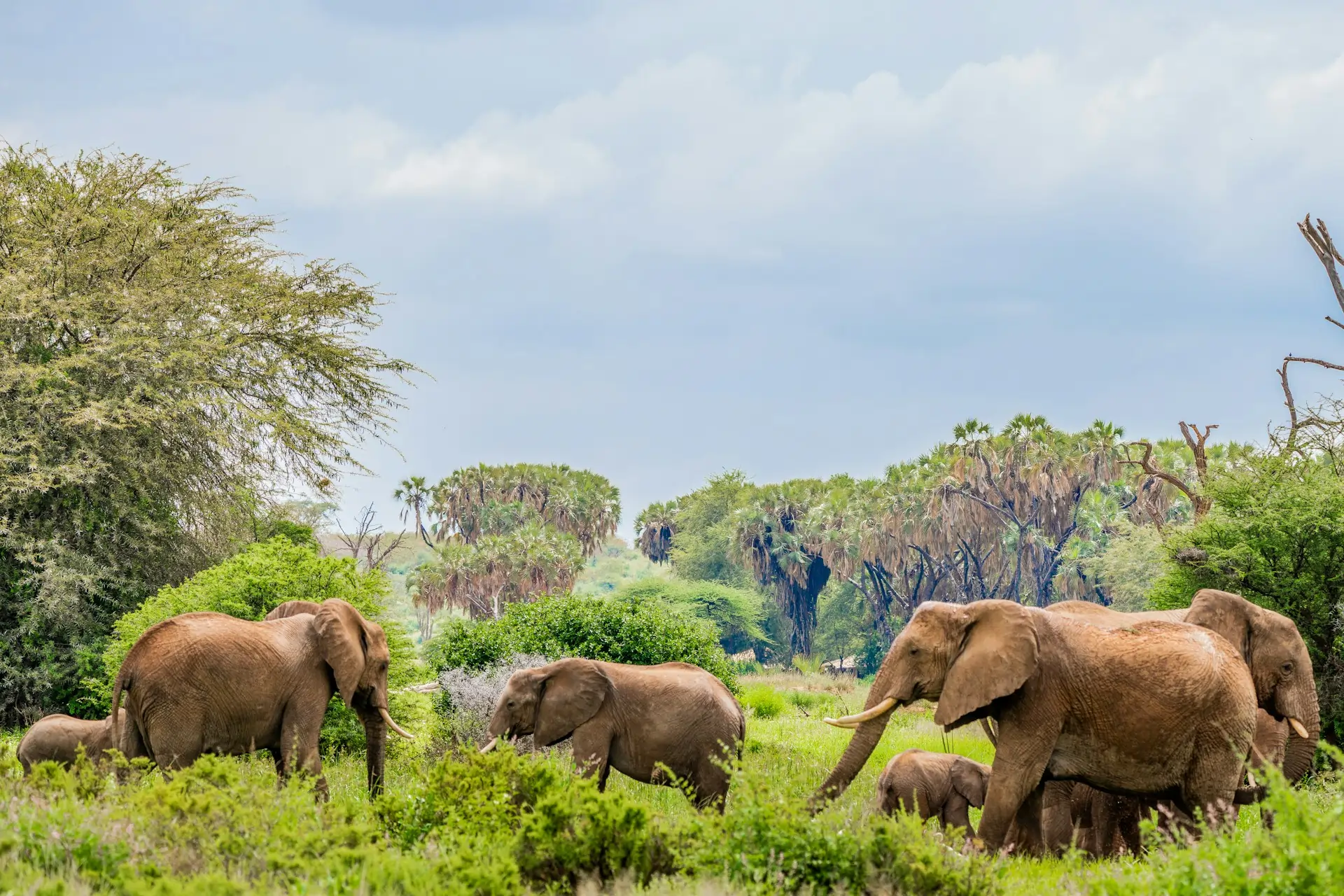
Samburu feels drier, more remote, and distinct from Kenya's southern safari circuit
1. What Makes Samburu Different?
Samburu is centered around the Ewaso Nyiro River, a lifeline that draws wildlife into otherwise harsh terrain. The result is a striking safari rhythm: dusty tracks, sculptural doum palms, and animals moving between shade, water, and open scrubland.
Because fewer first-time travelers include Samburu in their itinerary, it can feel more exclusive and less predictable than the better-known southern parks. That makes it a powerful choice for repeat safari-goers or anyone wanting a Kenya route with more variety.
2. Meet the Special Five
The Special Five are not a marketing gimmick - they are a genuinely fun and distinctive reason to visit northern Kenya. They include:
- Grevy's zebra with its narrow stripes and large rounded ears
- Reticulated giraffe with its beautifully geometric coat pattern
- Beisa oryx adapted to dry country and open scrub
- Somali ostrich recognized by its blue legs and neck
- Gerenuk, the long-necked antelope famous for standing upright to browse
Alongside these northern specialists, Samburu also supports elephants, lions, leopards, crocodiles, hippos, and impressive birdlife. It is not a lesser park - it is simply a different safari ecosystem.
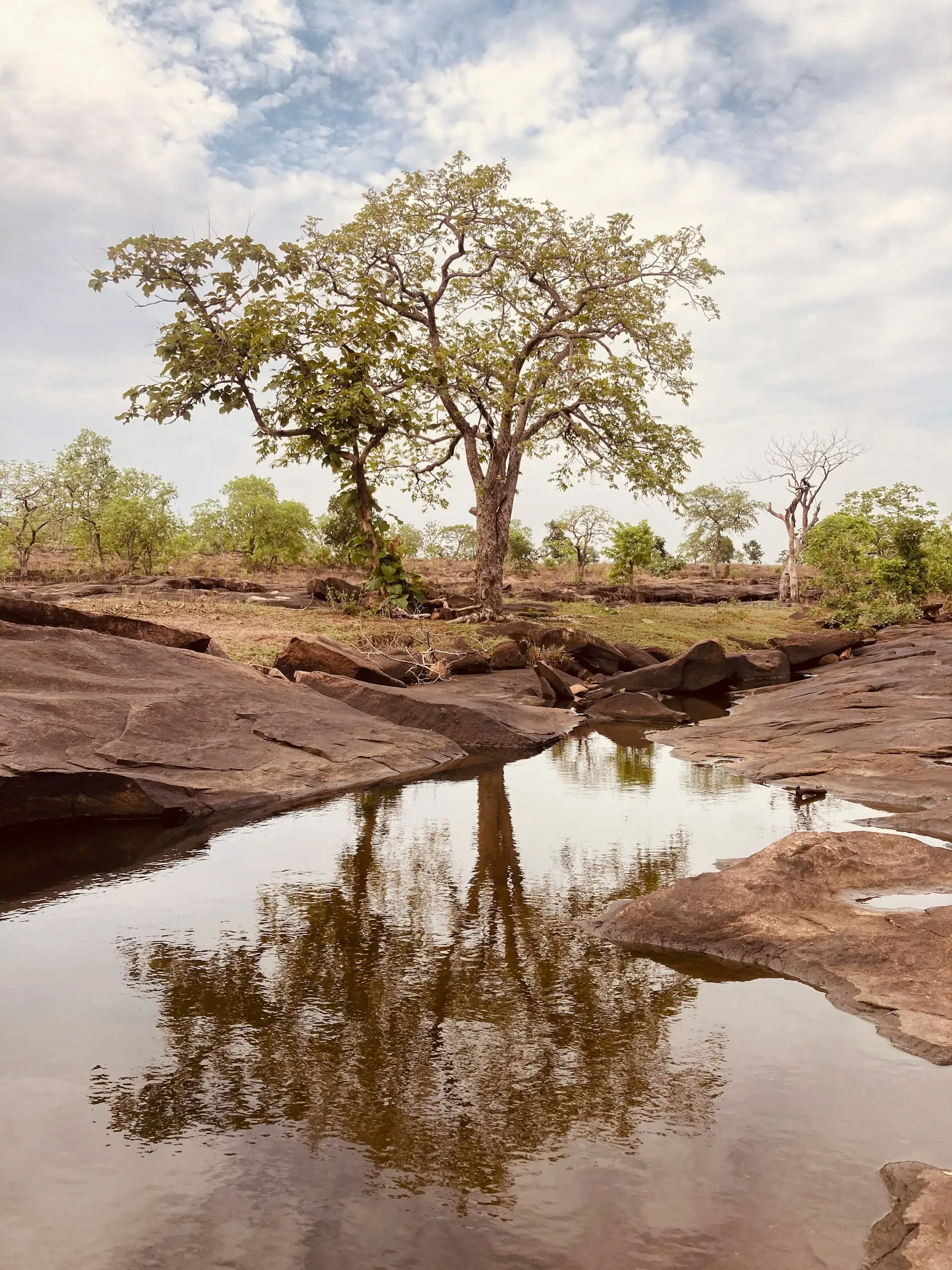
Northern Kenya rewards travelers who want a safari that feels more exploratory and less crowded
3. Best Time to Visit Samburu
Samburu is a strong year-round destination, but many travelers love it during the drier windows when wildlife concentrates more visibly around water. Even outside peak dry months, the reserve maintains a raw and photogenic beauty that contrasts brilliantly with greener parks elsewhere in Kenya.
Two or three nights is usually ideal. That gives you time to learn the terrain, search for the Special Five, and enjoy the slower, more intimate pace that makes Samburu stand out.
4. Why Samburu Works So Well in a Kenya Circuit
Samburu is most powerful when used as a contrast destination. Pair it with rhino and birdlife in Lake Nakuru, then finish with classic predator country in the Masai Mara, and you have a safari that feels layered rather than repetitive.
That is exactly why our 6 Days Kenya Safari combines Samburu, Lake Nakuru, and the Masai Mara. It moves you through three different ecosystems and keeps the wildlife experience fresh from start to finish.
5. Culture and Conservation Matter Here Too
Northern Kenya is also one of the best places to understand how culture, conservation, and tourism intersect. Community-led conservation models, local guiding knowledge, and low-impact travel are especially important in these fragile landscapes. For more on that bigger picture, read our conservation and community safari guide.
If you want a Kenya safari that goes beyond the obvious, Samburu deserves serious consideration. Talk to our team and we can help decide whether it belongs at the start, middle, or highlight of your route.