About Nairobi National Park
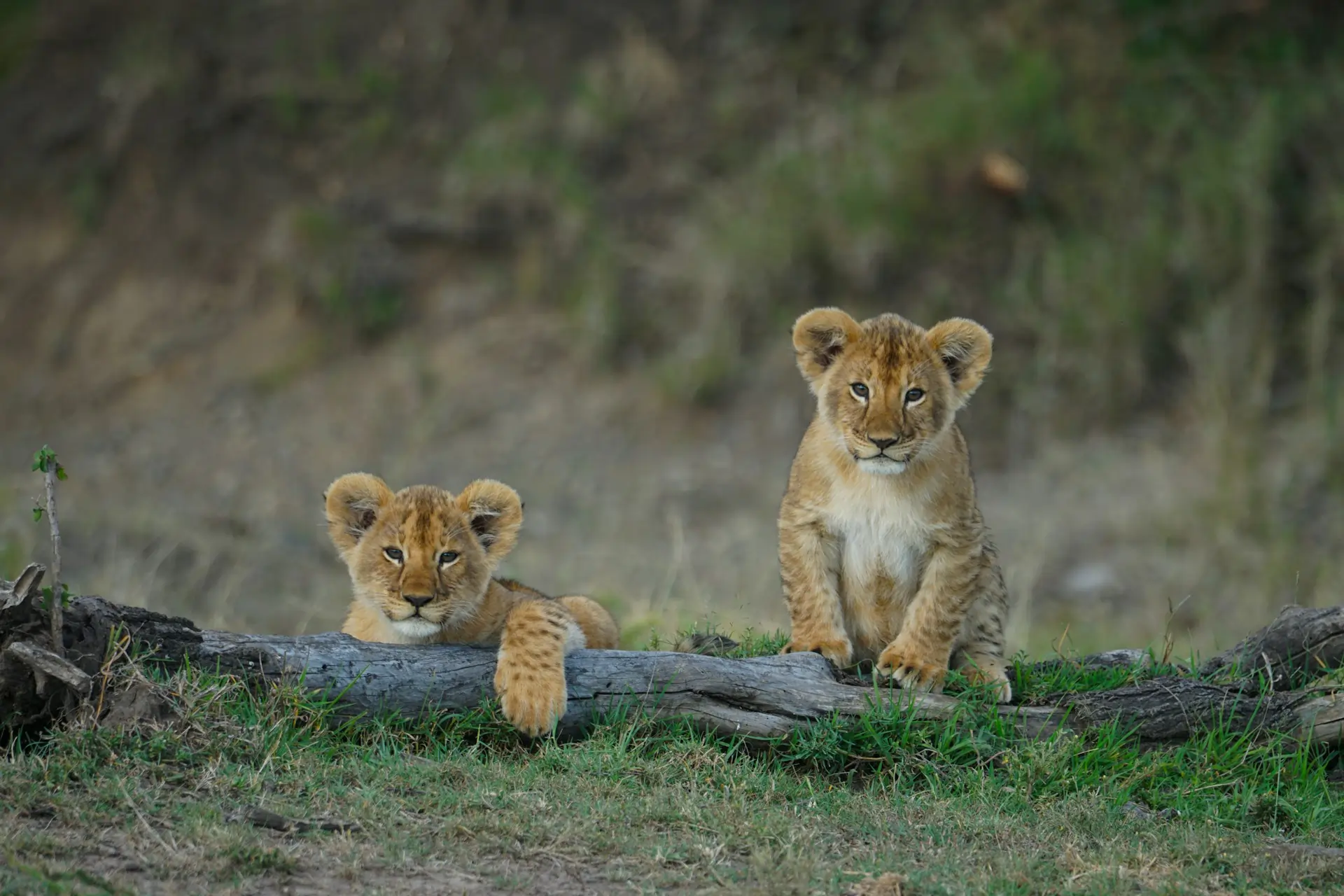
Nairobi National Park is one of the world's most remarkable protected areas. Just a short drive from the centre of Kenya's capital, lions, rhinos, giraffes and buffalo roam open grasslands with city skyscrapers rising on the horizon.
Established in 1946, it was Kenya's first national park. Although it covers only around 117 square kilometres, it supports a surprising diversity of wildlife and is one of the country's most successful black rhino sanctuaries.
Its location close to the airport makes Nairobi National Park perfect for a half- or full-day safari on arrival or before an evening flight, and it pairs easily with visits to nearby elephant and giraffe conservation projects.

Location
Southern edge of Nairobi
Size
About 117 km²
Best Time
Year-round
From the City
Approx. 30–45 minutes
Ideal Visit
Half or full day
Known For
Rhinos against the skyline
Why Visit Nairobi National Park
Wildlife and Skyline
Photograph giraffes, rhinos and zebras with Nairobi's skyline in the background, a view found almost nowhere else.
Rhino Sanctuary
The park is one of Kenya's most successful black rhino sanctuaries, offering good chances of a sighting.
Sheldrick Wildlife Trust
Visit the elephant nursery on the edge of the park, where orphaned elephants are cared for before returning to the wild. Advance booking is required.
Giraffe Centre
Meet endangered Rothschild's giraffes up close at the nearby Giraffe Centre in Langata.
Perfect for Short Stays
Ideal for travellers with limited time, a long layover or a free day before or after a longer safari.
Excellent Birding
More than 400 bird species have been recorded in the park's grasslands, wetlands and forest.
Wildlife in Nairobi National Park
Nairobi National Park supports a surprising range of wildlife, including:
- Black rhino
- Lion, leopard and cheetah
- Masai giraffe, zebra and wildebeest
- Cape buffalo, eland and hartebeest
- Hippo and crocodile in the river pools
- More than 400 bird species
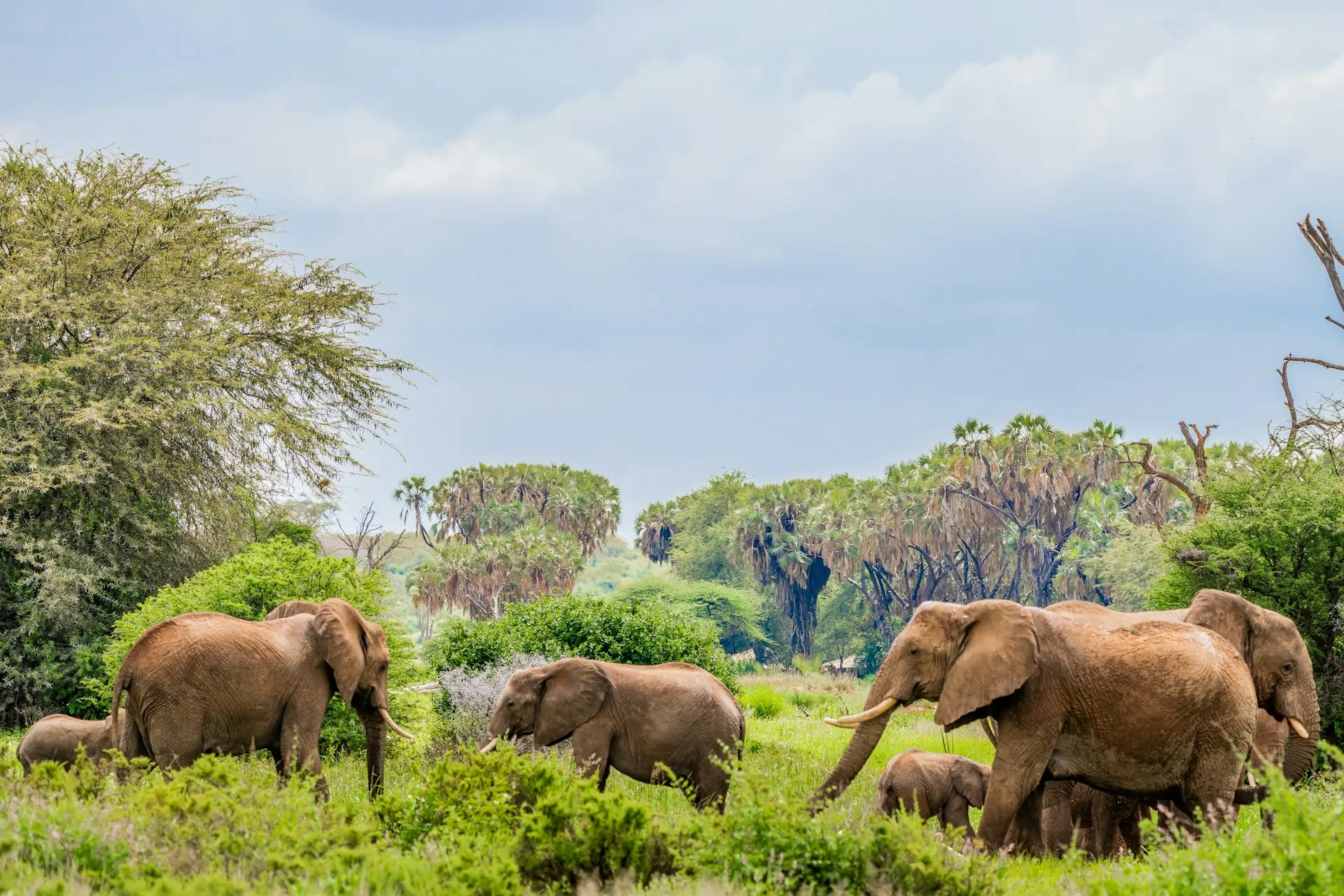
There are no wild elephants in Nairobi National Park. Visit the Sheldrick Wildlife Trust's elephant nursery to see orphaned elephants up close.
When to Visit Nairobi National Park
Nairobi National Park can be enjoyed throughout the year. Early mornings are usually best for wildlife activity and photography.
Dry Seasons
January – February & June – October
Shorter grass and wildlife gathering near water make sightings easier.
Rainy Seasons
March – May & November – December
A greener landscape and good birding, though some tracks may be muddy after heavy rain.
Where to Stay in Nairobi National Park
Most visitors stay in Nairobi, though a few properties offer accommodation close to or within the park.
Inside or Near the Park
A small number of camps and lodges allow early-morning game drives without city traffic.
Nairobi Hotels
Hotels in Karen, Langata and the city offer easy access to the park and other attractions.
Getting to Nairobi National Park
The main gate is around 30 to 45 minutes from central Nairobi, depending on traffic, and close to Jomo Kenyatta International Airport.
We recommend visiting with a guide and a pop-up roof safari vehicle, either as a stand-alone outing or as part of a longer Kenya safari.
Safaris That Visit Nairobi National Park

Nairobi National Park FAQs
How long does a Nairobi National Park safari take?
A half-day safari of around four hours is enough for a good introduction. A full day allows more time to explore and add nearby attractions.
Can I see the Big Five in Nairobi National Park?
You can see lion, leopard, buffalo and rhino, but there are no wild elephants in the park.
Can I visit Nairobi National Park on a layover?
Yes. The park is close to Jomo Kenyatta International Airport, making it a popular choice for travellers with a long layover, subject to flight times and entry requirements.
Can I combine the park with the Sheldrick Wildlife Trust and Giraffe Centre?
Yes. Both are nearby and can be combined with a game drive in a single day. The Sheldrick Wildlife Trust requires advance booking.