About Samburu
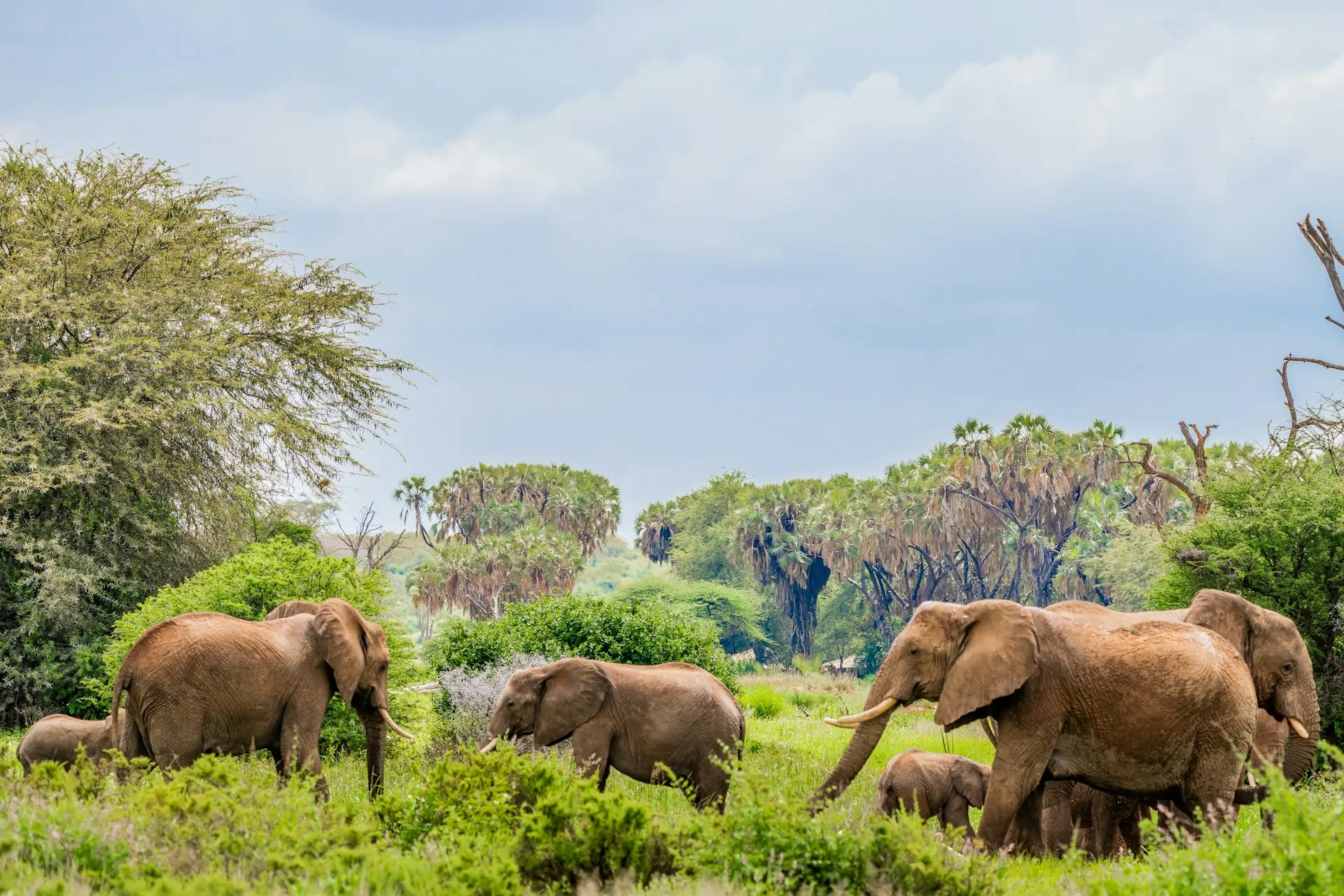
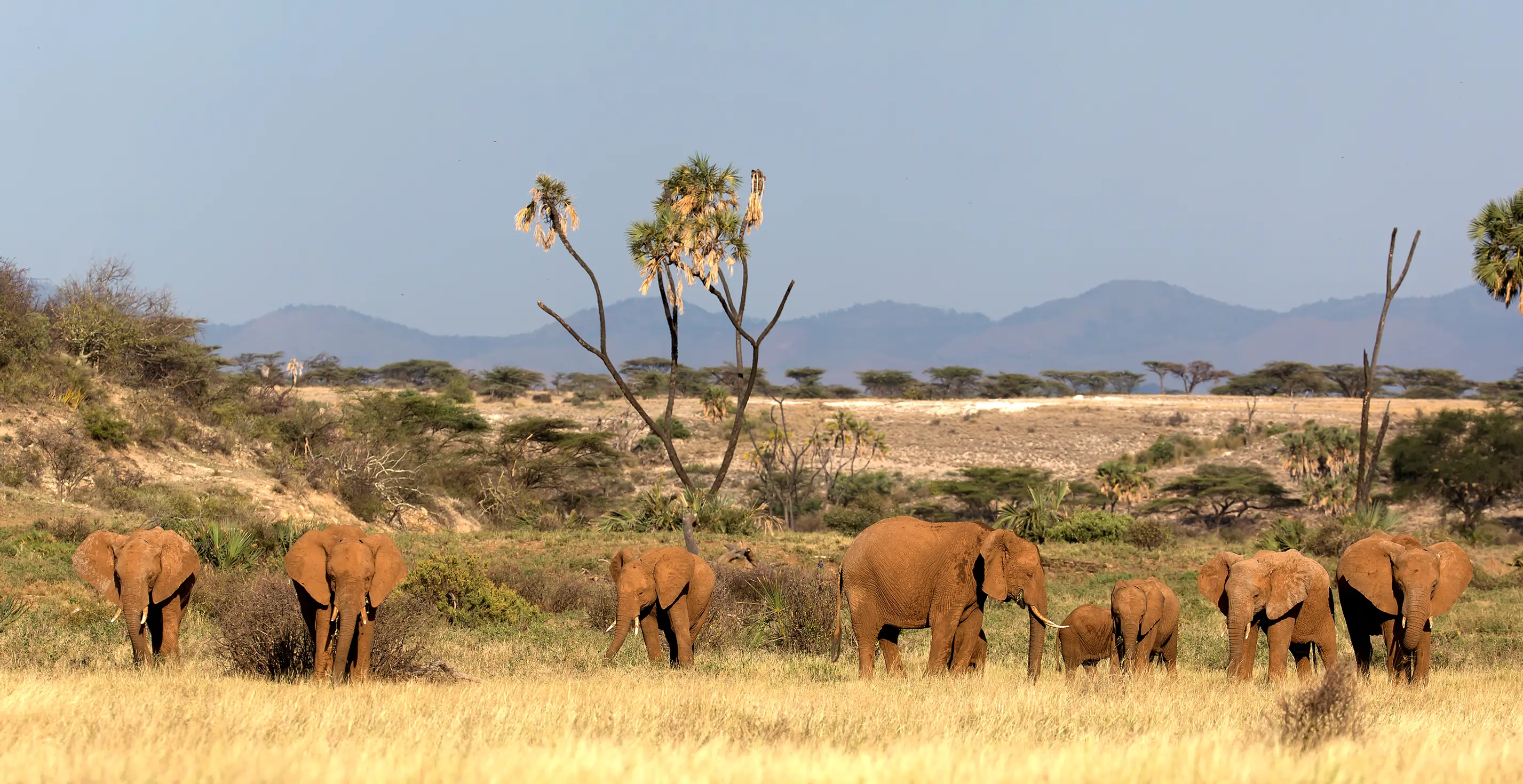
Samburu National Reserve offers a completely different side of Kenya. Located in the semi-arid north, its rugged landscape of red earth, doum palms and rocky hills is brought to life by the Ewaso Nyiro River, which attracts wildlife throughout the year.
The reserve is best known for the Samburu Special Five, a group of species adapted to dry northern conditions and rarely seen in southern Kenya. Elephants, lions, leopards and cheetahs are also present, and the riverine forest provides excellent game viewing.
Samburu is relatively small, at around 165 square kilometres, but it forms part of a wider ecosystem with the neighbouring Buffalo Springs and Shaba reserves. Its remote atmosphere and the culture of the Samburu people make it a memorable addition to any Kenya safari.
Location
Northern Kenya
Size
About 165 km²
Best Time
June–October & December–March
Getting There
Approx. 1-hour flight from Nairobi
By Road
Approx. 5–6 hours from Nairobi
Known For
The Samburu Special Five
Why Visit Samburu
The Samburu Special Five
Look for Grevy's zebra, reticulated giraffe, Somali ostrich, beisa oryx and gerenuk, all adapted to northern Kenya.
The Ewaso Nyiro River
The river is a lifeline for wildlife, drawing elephants, buffalo and predators to its banks, especially in the dry season.
Elephant Encounters
Samburu's elephant population is well studied by researchers, and family herds are often seen bathing and drinking in the river.
Big Cats
Leopards are often seen in the riverine forest, while lions and cheetahs roam the surrounding plains.
Samburu Culture
The Samburu people share their traditions through community visits and partnerships in neighbouring conservancies.
Walking Safaris
Some nearby conservancies offer guided walks, providing a closer look at tracks, plants and smaller creatures.
Wildlife in Samburu
Samburu's arid-adapted species make it unlike any park in southern Kenya. Look out for:
- Grevy's zebra and reticulated giraffe
- Somali ostrich, beisa oryx and gerenuk
- Elephant and Cape buffalo
- Lion, leopard and cheetah
- Crocodiles and hippos in the river
- Northern bird species, including the vulturine guineafowl
When to Visit Samburu
Samburu's dry climate makes it suitable for travel throughout most of the year.
Long Dry Season
June – October
Animals concentrate along the Ewaso Nyiro River, making this the best time for game viewing.
Short Rains
November
Brief rains bring fresh greenery and migratory birds, with fewer visitors.
Short Dry Season
December – March
Warm, dry weather and good wildlife viewing make this another excellent time to visit.
Long Rains
April – May
The landscape turns green and wildlife disperses. Some tracks may become harder to navigate.
Where to Stay in Samburu
Samburu offers lodges and tented camps inside the reserve, with more exclusive options in nearby conservancies.
Along the River
Many camps are set along the Ewaso Nyiro, offering riverside views and regular wildlife sightings.
Community Conservancies
Neighbouring conservancies offer greater privacy and activities such as walking safaris and cultural visits.
Getting to Samburu
Scheduled and charter flights from Nairobi to Samburu's airstrips take around one hour.
By road, Samburu is approximately five to six hours from Nairobi and can be combined with Laikipia and Mount Kenya along the way.
Safaris That Visit Samburu
Private Safari

6 Days Kenya Safari
A 6-day Kenya safari exploring Samburu's unique wildlife, Lake Nakuru's flamingos and rhinos, and the legendary Masai Mara with the Big Five and Great Migration.
Luxury Safari

13 Days Kenya Luxury Safari
Complete Kenya luxury safari covering Masai Mara, Amboseli, Samburu, Lake Nakuru, and private conservancies.
Samburu FAQs
What are the Samburu Special Five?
The Samburu Special Five are Grevy's zebra, reticulated giraffe, Somali ostrich, beisa oryx and gerenuk. These species are adapted to the dry conditions of northern Kenya.
When is the best time to visit Samburu?
June to October and December to March are generally the best times, when wildlife gathers along the Ewaso Nyiro River.
How many days do I need in Samburu?
Two to three nights is ideal, allowing time to explore the reserve and look for all of the Special Five.
Can Samburu be combined with the Masai Mara?
Yes. Samburu and the Masai Mara are often combined using connecting light-aircraft flights, offering two very different Kenya safari experiences.