About Masai Mara
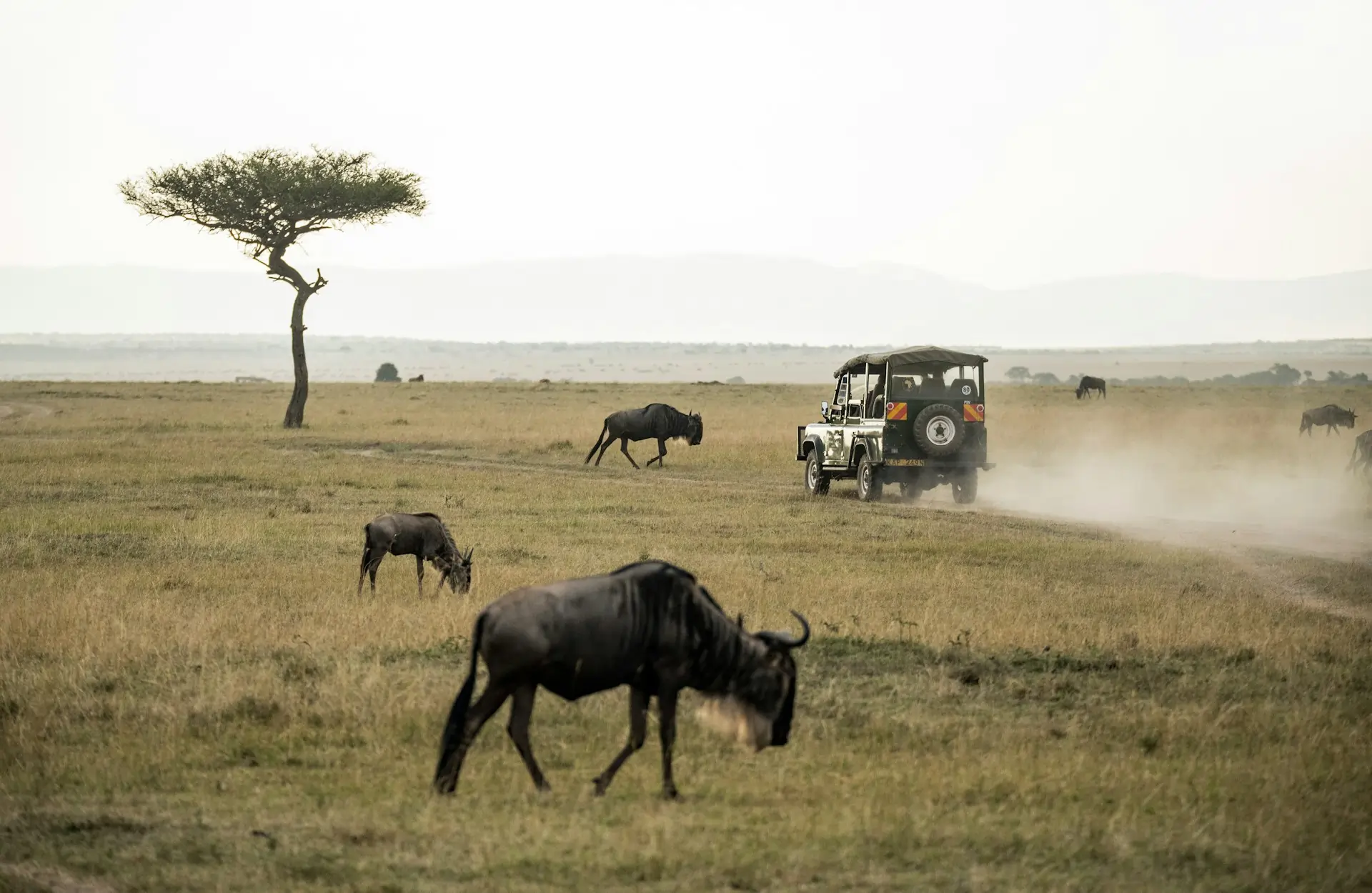
The Masai Mara is Kenya's most celebrated wildlife destination and, for many travellers, the image that defines an African safari: golden grasslands, scattered acacias, lion prides resting in the shade and vast herds moving across the horizon.
Located in south-western Kenya, the reserve forms the northern part of the greater Serengeti–Mara ecosystem. It covers roughly 1,510 square kilometres and is surrounded by a ring of private and community conservancies that extend the protected wilderness and offer some of the most exclusive safari experiences in East Africa.
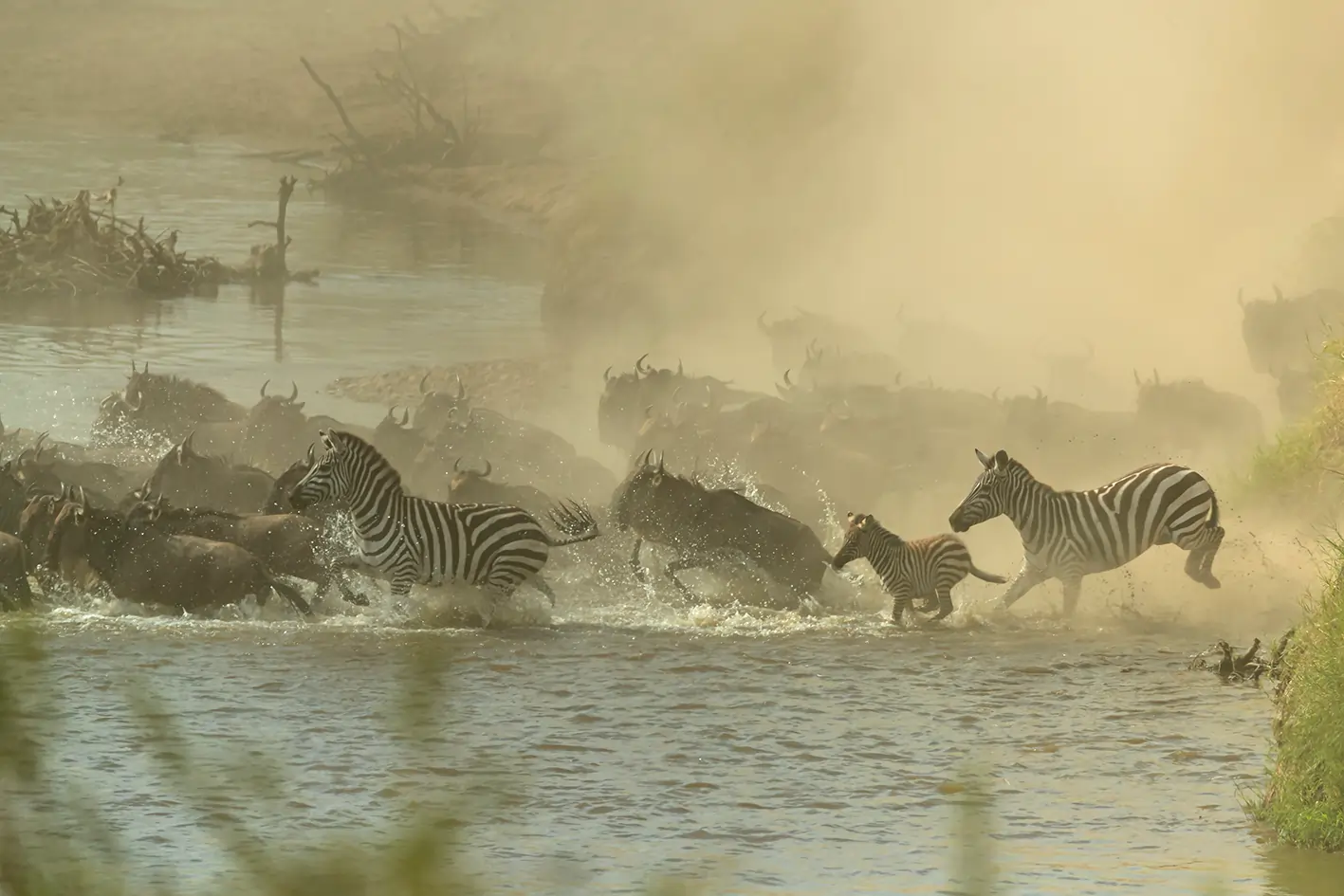
The Mara is best known for the Great Wildebeest Migration, but its resident wildlife makes it rewarding at any time of year. Excellent populations of lion, leopard and cheetah, combined with open terrain that makes sightings easy to enjoy, have made it one of the finest big cat destinations in the world.
Location
South-western Kenya
Size
About 1,510 km²
Best Time
Year-round; July–October for migration
Getting There
Approx. 45-min flight from Nairobi
By Road
Approx. 5–6 hours from Nairobi
Known For
Big cats & the Great Migration
Why Visit Masai Mara
The Great Migration
From around July to October, vast herds of wildebeest and zebra move into the Mara, with dramatic river crossings that are among nature's greatest spectacles.
Exceptional Big Cat Viewing
The Mara's open plains and healthy prey populations support lion prides, leopards and cheetahs, offering outstanding predator sightings year-round.
Private Conservancies
Conservancies bordering the reserve limit vehicle numbers and may allow walking safaris, night drives and off-road viewing, depending on local regulations.
Hot Air Balloon Safaris
Drift silently over the plains at sunrise for a breathtaking view of the Mara, followed by a celebratory bush breakfast.
Maasai Culture
The Mara is the ancestral home of the Maasai people. Respectful community visits offer insight into traditions, livelihoods and conservation partnerships.
Photographer's Paradise
Wide horizons, soft golden light and dense wildlife make the Mara one of the most rewarding safari destinations for photography.
Wildlife in Masai Mara
The Masai Mara supports an extraordinary density of wildlife throughout the year. Alongside the migratory herds, travellers can expect to encounter:
- Lion, leopard and cheetah
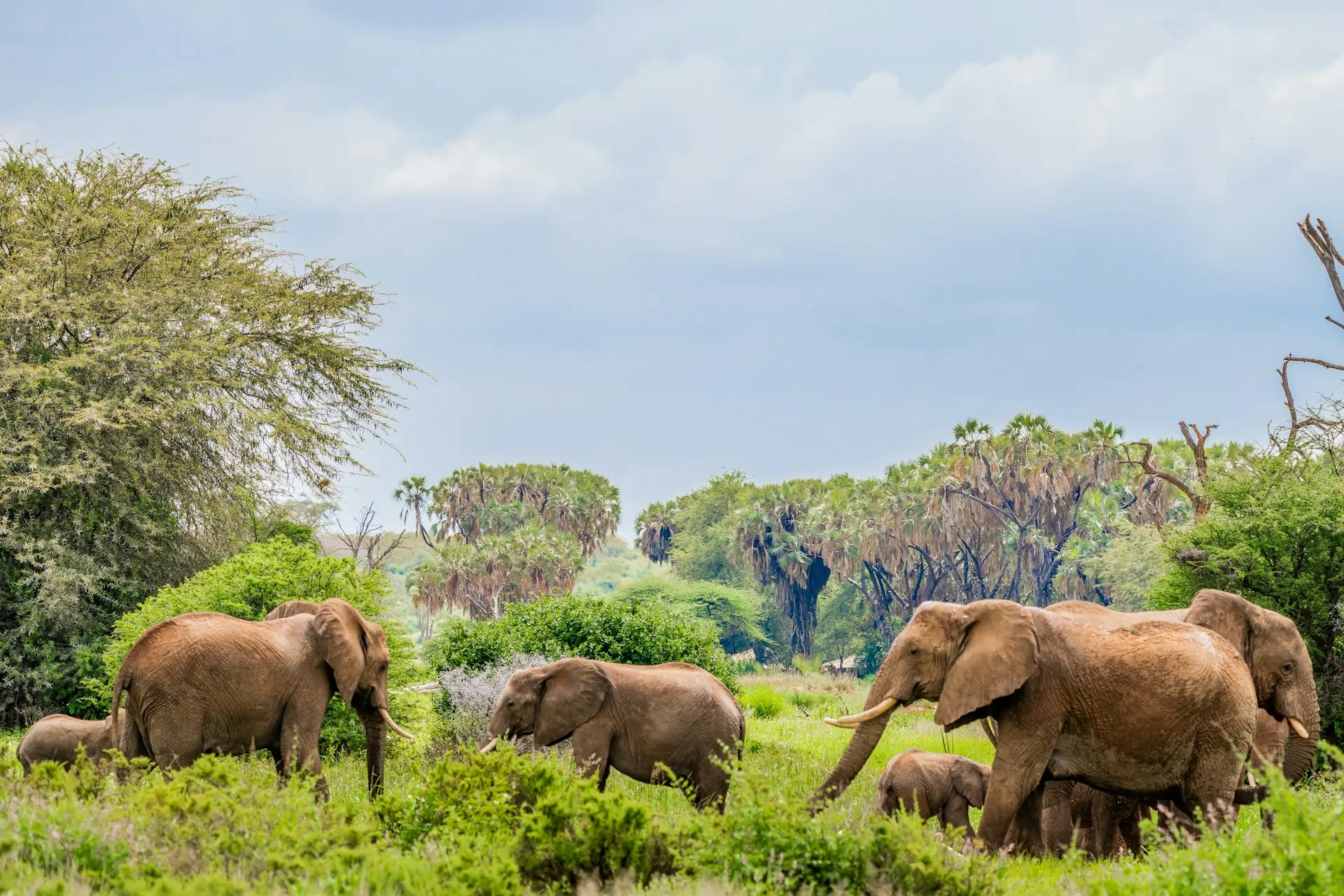
- Elephant and Cape buffalo
- Hippo and Nile crocodile in the Mara and Talek rivers
- Masai giraffe, topi, eland and Thomson's gazelle
- Spotted hyena, jackal and bat-eared fox
- More than 450 recorded bird species, including raptors and ground hornbills
Black rhino are present in the Mara ecosystem but are rarely seen. For more reliable rhino viewing, many travellers combine the Mara with Lake Nakuru or Ol Pejeta.
When to Visit Masai Mara
The Masai Mara offers excellent game viewing in every season. The right time to travel depends on whether migration, value or quieter plains matter most to you.
Migration Season
July – October
The herds arrive from the Serengeti, river crossings become possible and predator activity is intense. This is peak season, so book well in advance.
Short Rains
November – December
Brief showers refresh the grasslands. Resident wildlife remains excellent, visitor numbers fall and rates are often more attractive.
Dry Summer
January – March
Warm, generally dry weather and short grass make for superb predator viewing, with many young animals on the plains.
Long Rains
April – June
The greenest and quietest season. Some camps close, but those that remain open offer intimate experiences and strong value.
Migration timing varies each year with rainfall, and river crossings are never guaranteed.
Where to Stay in Masai Mara
Accommodation in the Mara ranges from comfortable lodges to some of Africa's finest tented camps. Where you stay shapes your safari as much as when you travel.
Inside the National Reserve
Ideal for migration river crossings and travellers who want direct access to the reserve's most famous areas, including the Mara River.
Private Conservancies
Fewer vehicles, exclusive game drives and activities such as walking safaris and night drives where permitted. A strong choice for privacy and luxury.
The Mara Triangle and Escarpment
The western section of the reserve, known for its well-managed roads, river crossings and dramatic views from the Oloololo Escarpment.
Getting to Masai Mara
Most travellers fly from Nairobi's Wilson Airport to one of the Mara's airstrips, a scenic flight of roughly 45 minutes to an hour. Flights also connect the Mara with Amboseli, Samburu, Laikipia and the coast.
Travelling by road from Nairobi takes approximately five to six hours, passing the Great Rift Valley viewpoint along the way. Road safaris pair naturally with Lake Nakuru or Lake Naivasha.
Safaris That Visit Masai Mara
Private Safari

4 Days Kenya Safari
Experience the best of Kenya with flamingo-lined lakeshores in Nakuru and Big Five encounters in the legendary Masai Mara.
Private Safari

7 Days Kenya Wildlife Safari
A 7-day Kenya safari featuring elephants and Kilimanjaro views in Amboseli, unique urban wildlife in Nairobi National Park, and Big Five encounters in the legendary Masai Mara.
Private Safari

6 Days Kenya Safari
A 6-day Kenya safari exploring Samburu's unique wildlife, Lake Nakuru's flamingos and rhinos, and the legendary Masai Mara with the Big Five and Great Migration.
Private Safari

7 Days Kenya Safari
Complete Kenya safari experience covering Lake Nakuru, Masai Mara, and Amboseli with Mount Kilimanjaro views.
Luxury Safari

13 Days Kenya Luxury Safari
Complete Kenya luxury safari covering Masai Mara, Amboseli, Samburu, Lake Nakuru, and private conservancies.
Private Safari

8 Days Kenya Safari & Beach Holiday
An 8-day Kenya adventure combining Big Five safaris in Lake Nakuru and Masai Mara with four relaxing days on Diani Beach's white sands and turquoise waters.
Masai Mara FAQs
When is the best time to visit the Masai Mara?
The Masai Mara offers excellent wildlife viewing year-round. July to October is the most popular period because of the Great Migration, while January to March offers superb predator viewing with fewer visitors.
How many days do I need in the Masai Mara?
We recommend at least three nights. This allows time for several game drives in different areas and improves your chances of special sightings, such as a river crossing or a hunt.
What is the difference between the reserve and the conservancies?
The national reserve is open to all licensed vehicles and contains the main migration river crossings. The private conservancies limit visitor numbers and may allow walking safaris, night drives and off-road viewing.
Can I see the Big Five in the Masai Mara?
Lion, leopard, elephant and buffalo are seen regularly. Black rhino are present but rare, so many itineraries add Lake Nakuru or Ol Pejeta for a better chance of rhino sightings.
Is the Masai Mara suitable for families?
Yes. Many camps welcome children and offer family tents, flexible game-drive schedules and child-friendly activities. Some conservancy activities have minimum age requirements.