About Amboseli
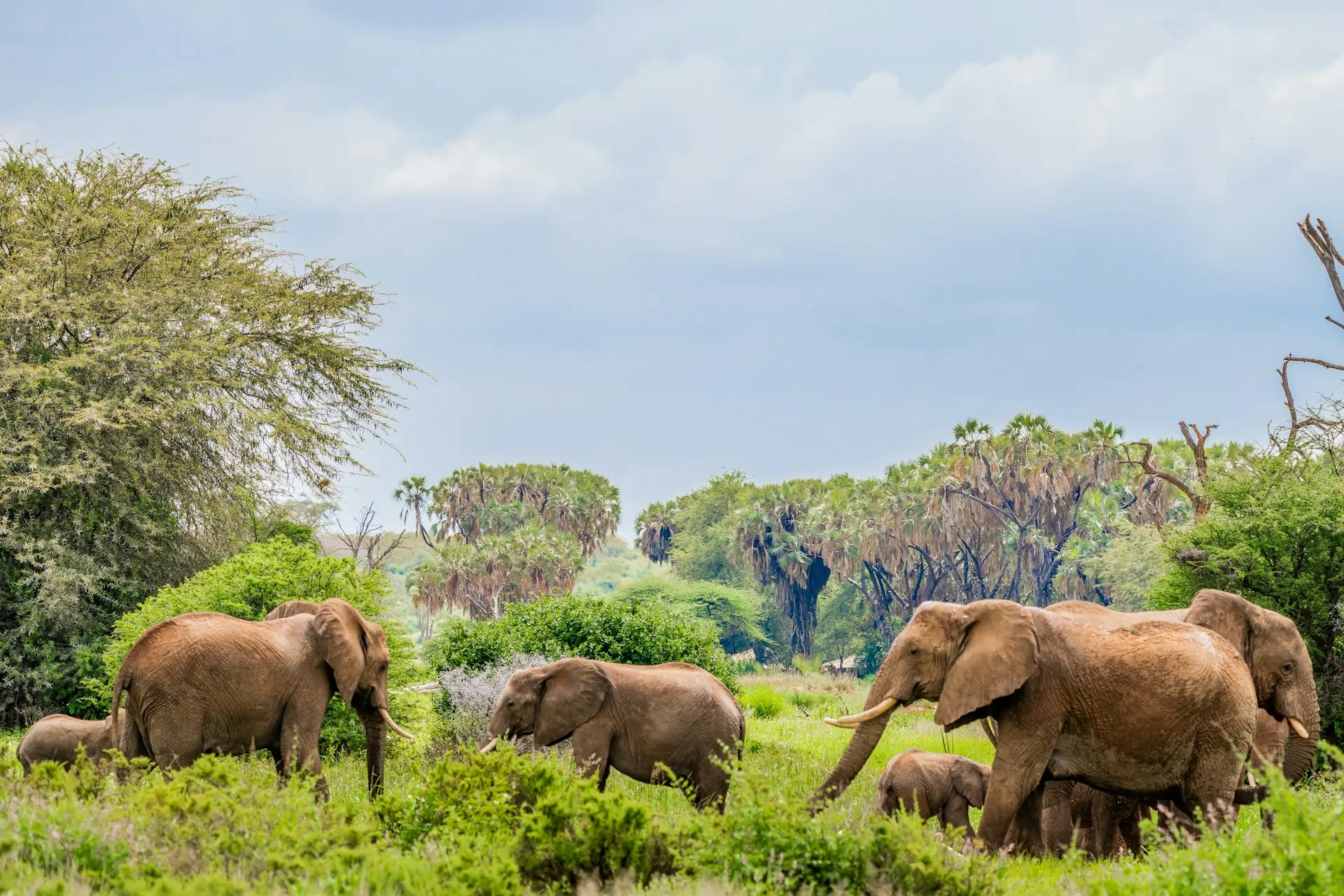
Amboseli National Park offers one of Africa's most iconic safari scenes: large herds of elephants walking across open plains with the snow-capped summit of Mount Kilimanjaro rising behind them.
Located in southern Kenya near the Tanzanian border, Amboseli covers around 392 square kilometres. Although the park is relatively compact and much of it appears dry, underground water from Kilimanjaro feeds permanent swamps that attract wildlife throughout the year.
Amboseli is particularly famous for its elephants, which have been the subject of one of the world's longest-running elephant research projects. The park is also recognised as a UNESCO Biosphere Reserve and is an excellent destination for wildlife photographers.

Location
Southern Kenya
Size
About 392 km²
Best Time
June–October & January–February
Getting There
Approx. 45-min flight from Nairobi
By Road
Approx. 4–5 hours from Nairobi
Known For
Elephants & Kilimanjaro views
Why Visit Amboseli
Kilimanjaro Views
On clear days, Africa's highest mountain dominates the horizon, creating one of the continent's most photographed safari backdrops.
Large Elephant Herds
Amboseli is renowned for close encounters with family herds of elephants, including impressive mature bulls.
Spring-Fed Swamps
Permanent swamps fed by Kilimanjaro's underground water attract elephants, buffalo, hippos and abundant birdlife.
Excellent Birdlife
Wetlands and open plains support a wide variety of bird species, including pelicans, kingfishers, raptors and seasonal flamingos.
Wildlife Photography
Open landscapes, beautiful light and dramatic mountain scenery make Amboseli a favourite destination for photographers.
Maasai Communities
Amboseli is surrounded by Maasai lands and community conservancies that play an important role in protecting wildlife corridors.
Wildlife in Amboseli
Amboseli's open landscape makes wildlife easy to observe. Highlights include:
- Large herds of African elephants
- Lion, cheetah and spotted hyena
- Cape buffalo and hippo in the swamps
- Masai giraffe, zebra and wildebeest
- Gazelles, impala and eland
- Water birds, raptors and seasonal flamingos
Kilimanjaro is often clearest in the early morning and late afternoon. Clouds can hide the mountain, especially during the rainy seasons.
When to Visit Amboseli
Amboseli can be visited year-round, although the drier months generally offer the best wildlife viewing.
Long Dry Season
June – October
Wildlife gathers around the swamps and vegetation is thinner, making animals easier to find. This is a popular time to visit.
Short Rains
November – December
The landscape becomes greener and migratory birds arrive. Showers are usually brief, and visitor numbers are lower.
Short Dry Season
January – February
Warm conditions, good game viewing and often clear views of Kilimanjaro. Many young animals are born during this period.
Long Rains
March – May
The greenest and quietest time of year. Some roads may become muddy, but the scenery is lush and rates can be lower.
Where to Stay in Amboseli
Amboseli offers a range of accommodation, from lodges inside the park to more secluded camps in neighbouring conservancies.
Inside the National Park
Convenient for early-morning and late-afternoon game drives, with easy access to the swamps and key wildlife areas.
Community Conservancies
Quieter and more exclusive, with opportunities for activities such as walking safaris and cultural visits, depending on the property.
Kilimanjaro-View Camps
Selected camps are positioned to make the most of the mountain views, ideal for photography and memorable sundowners.
Getting to Amboseli
Amboseli is approximately four to five hours by road from Nairobi, making it a convenient first or final stop on a Kenya safari.
Scheduled and charter flights from Nairobi take around 45 minutes, and Amboseli can be connected by air to the Masai Mara, Tsavo and the coast.
Safaris That Visit Amboseli
Private Safari
3 Days Amboseli National Park
Perfect short safari for elephant lovers with iconic Mount Kilimanjaro backdrop views.
Private Safari

7 Days Kenya Wildlife Safari
A 7-day Kenya safari featuring elephants and Kilimanjaro views in Amboseli, unique urban wildlife in Nairobi National Park, and Big Five encounters in the legendary Masai Mara.
Private Safari

7 Days Kenya Safari
Complete Kenya safari experience covering Lake Nakuru, Masai Mara, and Amboseli with Mount Kilimanjaro views.
Luxury Safari

13 Days Kenya Luxury Safari
Complete Kenya luxury safari covering Masai Mara, Amboseli, Samburu, Lake Nakuru, and private conservancies.
Private Safari

11 Days Kenya & Tanzania Safari
From Nairobi to Kilimanjaro, this 11-day Kenya and Tanzania safari explores Amboseli, Lake Nakuru, Masai Mara, Serengeti, and Ngorongoro Crater — delivering luxury, Big Five encounters, and seamless cross-border adventures.
Amboseli FAQs
What is Amboseli National Park famous for?
Amboseli is famous for its large elephant herds and spectacular views of Mount Kilimanjaro. It is also known for its permanent swamps, birdlife and excellent photography opportunities.
When is the best time to visit Amboseli?
June to October and January to February are generally the best times for wildlife viewing. Kilimanjaro is often clearest early in the morning and late in the afternoon.
How many days should I spend in Amboseli?
Two to three nights is ideal for most travellers. This allows several game drives and improves your chances of seeing Kilimanjaro on a clear day.
Can Amboseli be combined with the Masai Mara?
Yes. Amboseli and the Masai Mara are frequently combined, either by road via Nairobi or by connecting light-aircraft flights.
Is Kilimanjaro in Amboseli?
No. Mount Kilimanjaro is in Tanzania, but Amboseli lies close to the border and offers some of the finest views of the mountain.