About Lake Manyara
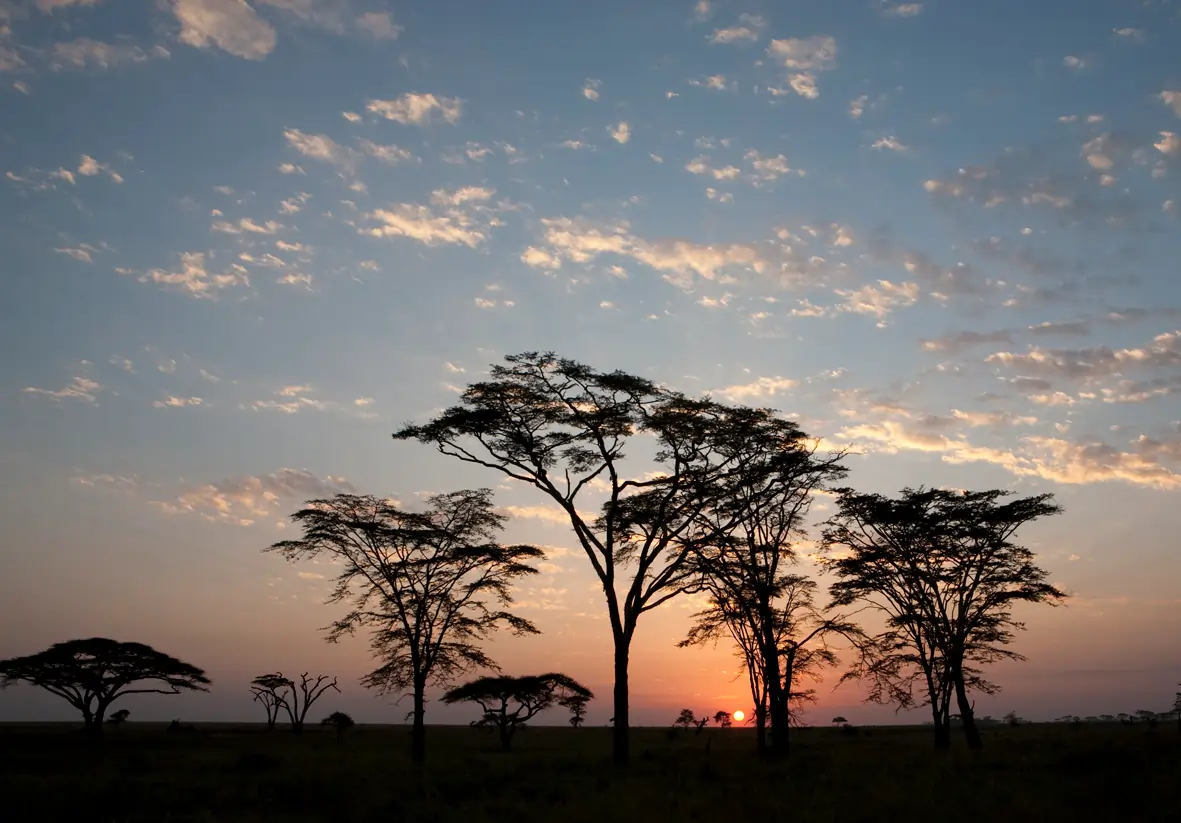
Lake Manyara National Park lies at the foot of the dramatic Great Rift Valley escarpment. Although relatively compact, it offers a remarkable variety of habitats, from lush groundwater forest to open grassland, acacia woodland and the shores of a shallow alkaline lake.
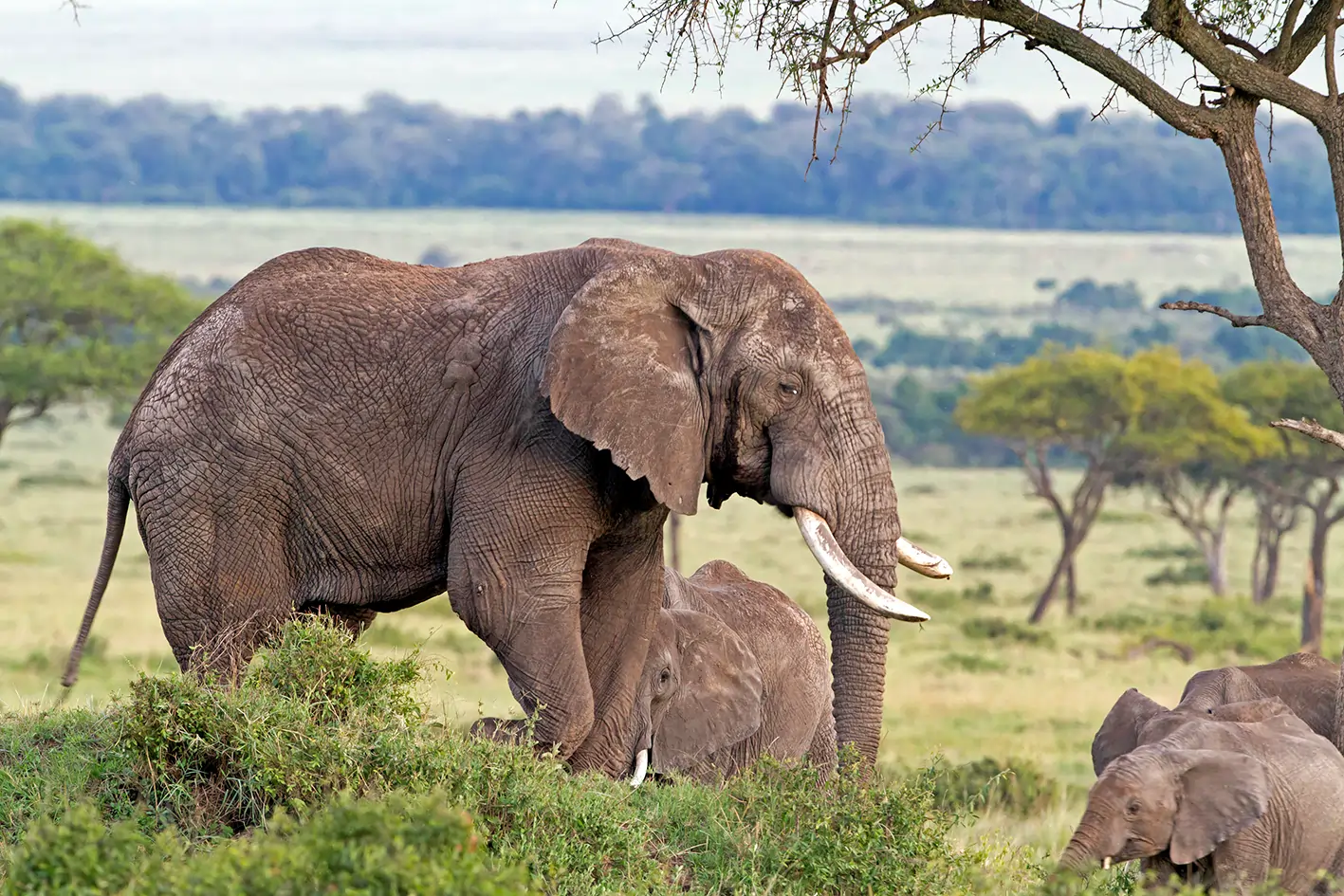
The park is known for its elephants, baboon troops, birdlife and its lions, which have a reputation for occasionally resting in trees. The lake attracts flamingos and pelicans when conditions are right.
Located between Arusha and Ngorongoro, Lake Manyara makes an easy half-day or full-day visit and is a scenic addition to any northern circuit itinerary.
Location
Northern Tanzania
Setting
Base of the Rift Valley escarpment
Best Time
June–October; November–May for birds
By Road
Approx. 2 hours from Arusha
Ideal Visit
Half or full day
Known For
Groundwater forest & birdlife
Why Visit Lake Manyara
Groundwater Forest
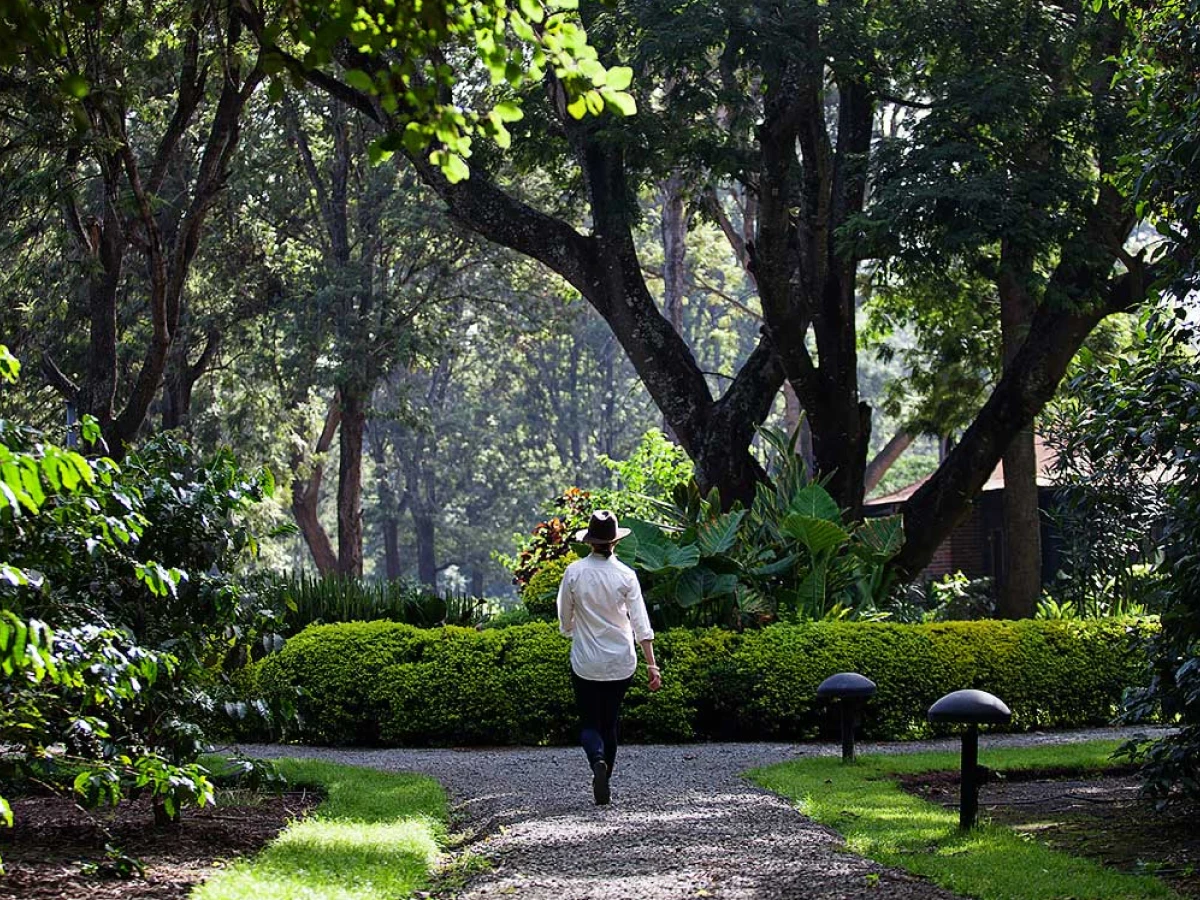
Springs at the foot of the escarpment feed a lush forest that feels a world away from the surrounding savannah.
Tree-Climbing Lions
Manyara's lions are known for occasionally lounging in trees, although sightings are never guaranteed.
Birdlife
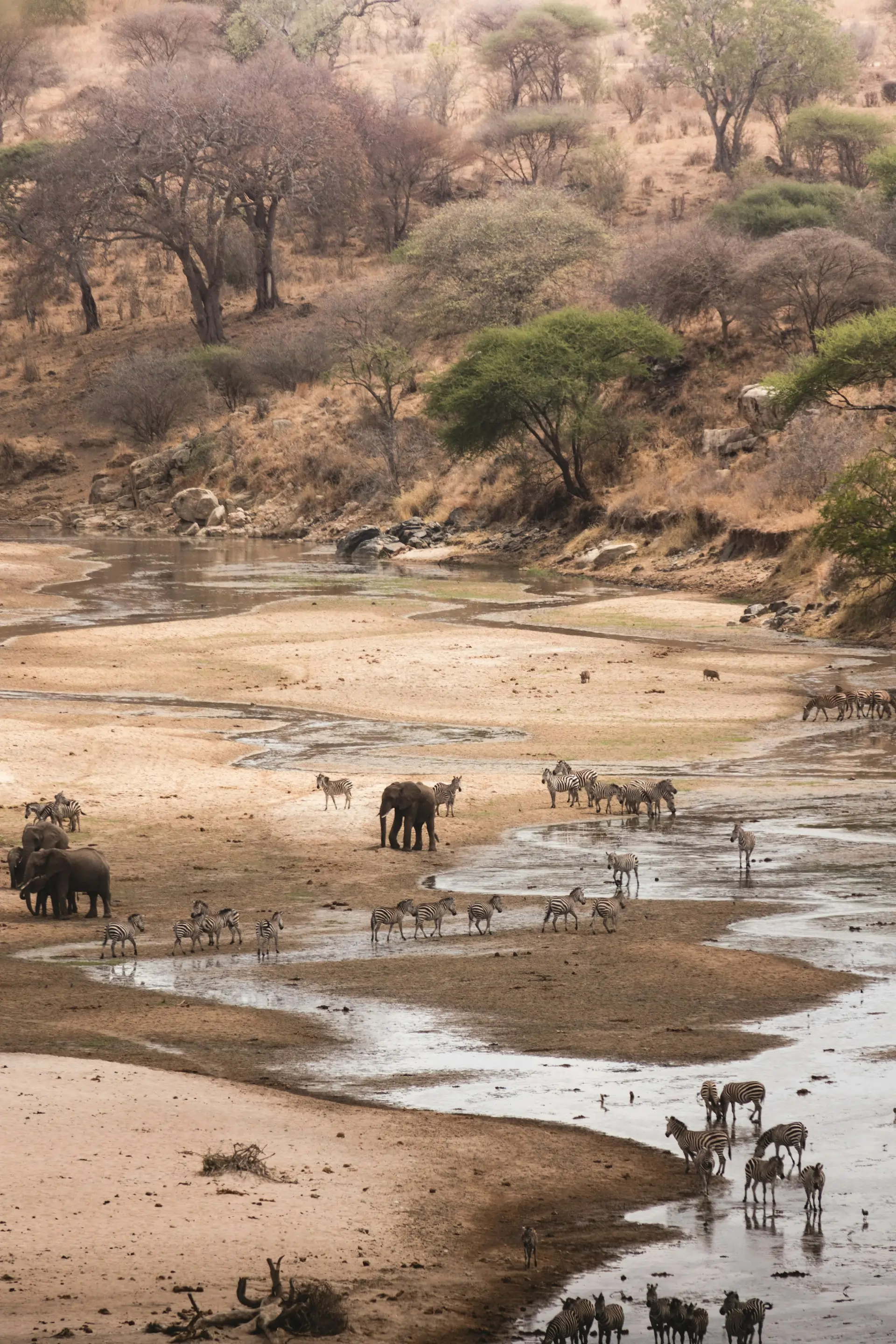
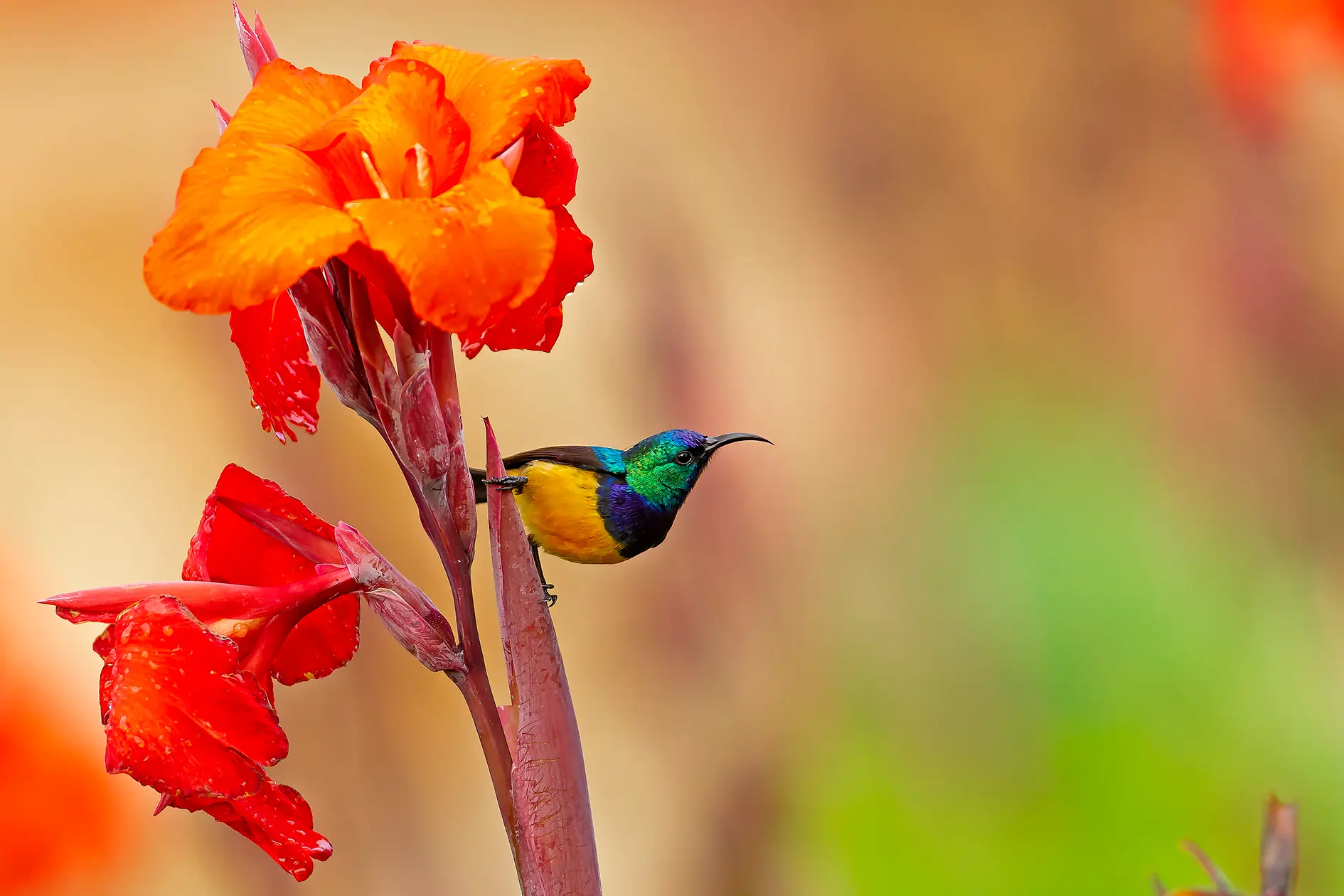
More than 400 bird species have been recorded, with flamingos and pelicans gathering on the lake when conditions are right.
Elephants and Baboons
Elephants move through the forest and woodland, while large troops of olive baboons are a common sight.
Treetop Walkway
A canopy walkway offers a different perspective of the forest and its birds and monkeys.
Easy to Include
The park lies on the main route between Arusha and Ngorongoro, making it simple to add to a safari.
Wildlife in Lake Manyara
Lake Manyara's varied habitats support:
- Elephant and Cape buffalo
- Lion and leopard
- Olive baboons and blue monkeys
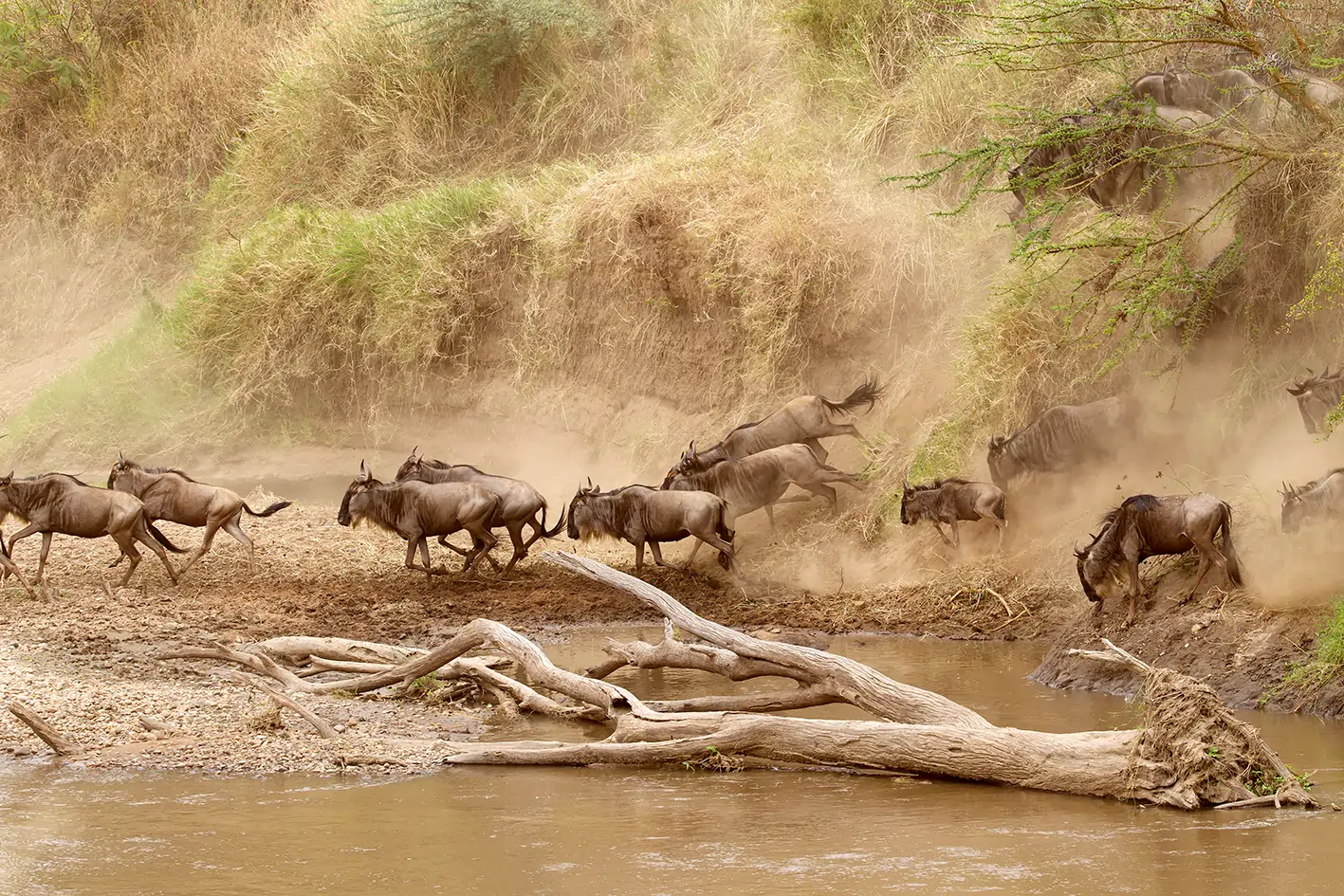
- Giraffe, zebra and wildebeest
- Hippos in the lake
- Flamingos, pelicans and more than 400 bird species
When to Visit Lake Manyara
Lake Manyara can be visited year-round, with each season offering something different.
Dry Season
June – October
The best time for general game viewing, with clearer tracks and animals easier to spot.
Green Season
November – May
Lush scenery and the best time for birdwatching, when migratory species are present.
Where to Stay in Lake Manyara
Most visitors stay near the park or in the nearby Karatu highlands.
On the Escarpment
Lodges on the Rift Valley escarpment offer sweeping views over the lake and the park.
Karatu Highlands
A convenient base for both Lake Manyara and the Ngorongoro Crater, with farm lodges and boutique properties.
Getting to Lake Manyara
Lake Manyara is approximately two hours by road from Arusha, near the village of Mto wa Mbu.
It is commonly visited on the way to or from Ngorongoro and the Serengeti, and an airstrip near the park serves scheduled and charter flights.
Safaris That Visit Lake Manyara
Lake Manyara FAQs
Is Lake Manyara worth visiting?
Yes. Its groundwater forest, birdlife, elephants and Rift Valley scenery offer a contrast to the open plains of the Serengeti, and it is easy to include on a northern circuit safari.
Will I see tree-climbing lions?
Lake Manyara's lions are known for occasionally climbing trees, but this behaviour is unpredictable and sightings are not guaranteed.
How long do I need at Lake Manyara?
A half-day or full-day game drive is enough for most visitors.
Can I combine Lake Manyara with Ngorongoro?
Yes. The two are close together and are often visited on consecutive days.