About Ruaha
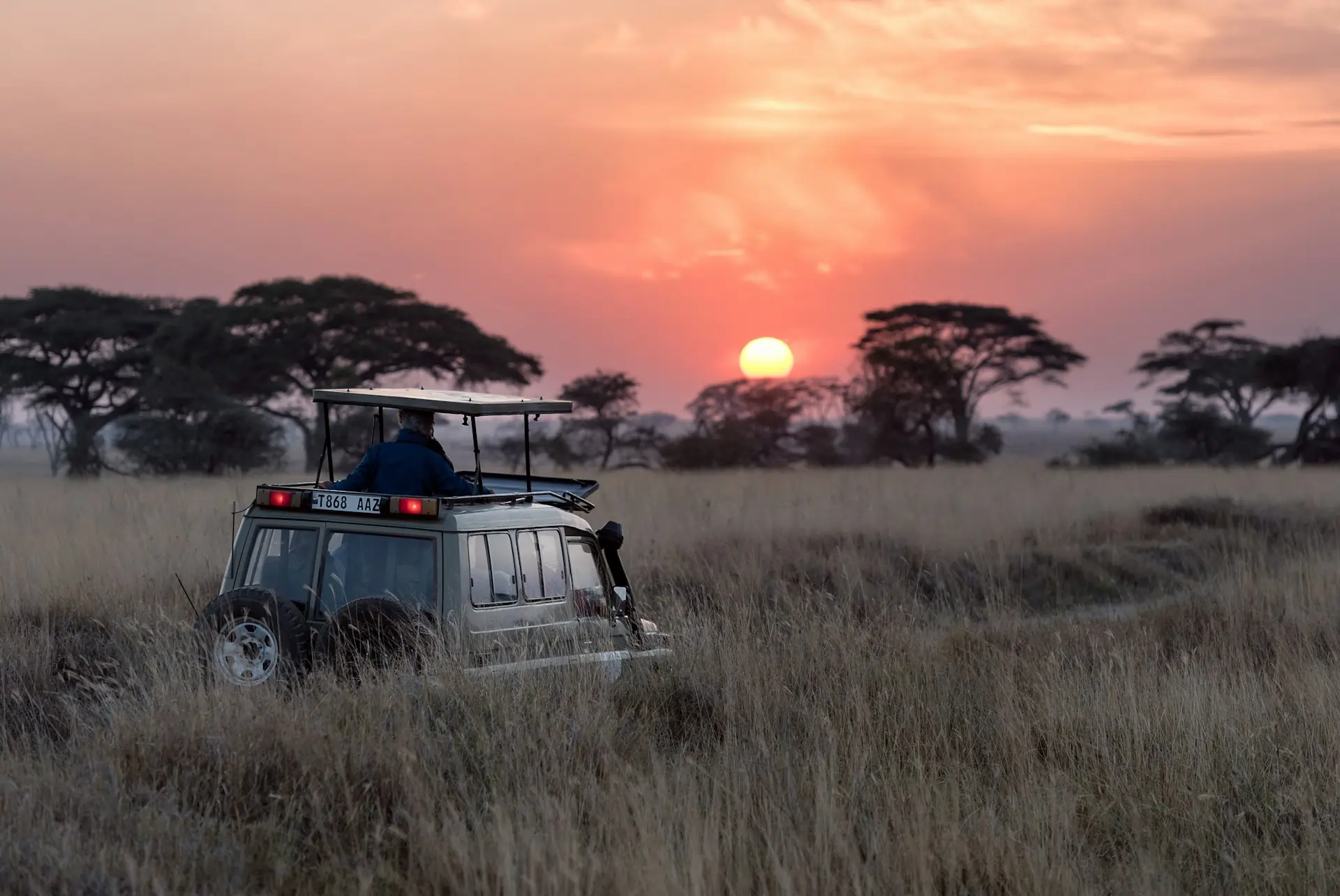
Ruaha National Park is one of Tanzania's largest and least-visited parks, a vast landscape of rocky hills, baobab-studded woodland and riverine valleys in the centre of the country.
The Great Ruaha River is the park's lifeline, attracting large numbers of animals during the dry season. Ruaha is known for its big lion prides and large elephant herds, as well as leopards, cheetahs and African wild dogs.
Ruaha lies where East African and southern African ecosystems meet, so species such as greater and lesser kudu, sable and roan antelope can all be found here. Its remote location means visitors often enjoy sightings with no other vehicles in sight.

Location
Central-southern Tanzania
Size
About 20,000 km²
Best Time
June–October
Getting There
Flights from Dar es Salaam & Arusha
Ideal Stay
3–4 nights
Known For
Lions & elephants
Why Visit Ruaha
Big Lion Prides
Ruaha is known for its large lion prides and offers excellent opportunities to observe predator behaviour.
Elephant Herds
Large herds of elephants gather along the Great Ruaha River, especially during the dry season.
True Wilderness
Few camps and visitors mean exclusive game drives and a genuine sense of remoteness.
Baobab Landscapes
Rocky hills, sand rivers and giant baobabs create a dramatic and photogenic setting.
Rare Antelopes
Look for greater and lesser kudu, sable and roan antelope, which are rarely seen in northern Tanzania.
Walking Safaris
Guided walks offer an intimate way to explore the bush with experienced guides.
Wildlife in Ruaha
Ruaha supports a remarkable mix of East and southern African species, including:
- Lion, leopard and cheetah
- African wild dog
- Elephant and Cape buffalo
- Greater and lesser kudu
- Sable and roan antelope
- More than 500 bird species
When to Visit Ruaha
The dry season is the best time to visit Ruaha, when wildlife concentrates along the river.
Dry Season
June – October
Excellent game viewing as animals gather near remaining water sources.
Green Season
November – May
A lush landscape and superb birding. Some camps close during the heaviest rains.
Where to Stay in Ruaha
Ruaha's camps are small and widely spaced, offering an intimate safari experience.
Riverside Camps
Camps along the Great Ruaha River and seasonal sand rivers offer excellent wildlife viewing from camp.
Remote Bush Camps
Smaller, more exclusive camps in quieter areas of the park, ideal for walking safaris.
Getting to Ruaha
Most visitors fly to Ruaha's airstrips on scheduled or charter flights from Dar es Salaam, Arusha, Zanzibar or Nyerere National Park.
Road access from Iringa is possible but involves a long journey on rough tracks.
Ruaha FAQs
Why visit Ruaha National Park?
Ruaha offers excellent predator viewing, large elephant herds and a remote, uncrowded atmosphere that is increasingly rare in Africa.
Can Ruaha be combined with Nyerere?
Yes. Ruaha and Nyerere are often combined on a southern Tanzania safari, linked by light-aircraft flights.
How many nights should I spend in Ruaha?
Three to four nights is ideal, giving time to explore different areas and enjoy a range of activities.