About Kilimanjaro
Mount Kilimanjaro is Africa's highest mountain and the world's tallest free-standing mountain. Its summit, Uhuru Peak, stands at 5,895 metres, and reaching it is one of the world's great adventures.
Kilimanjaro does not require technical climbing skills. With good preparation, a sensible route and an experienced guiding team, it is achievable for many fit and determined travellers.
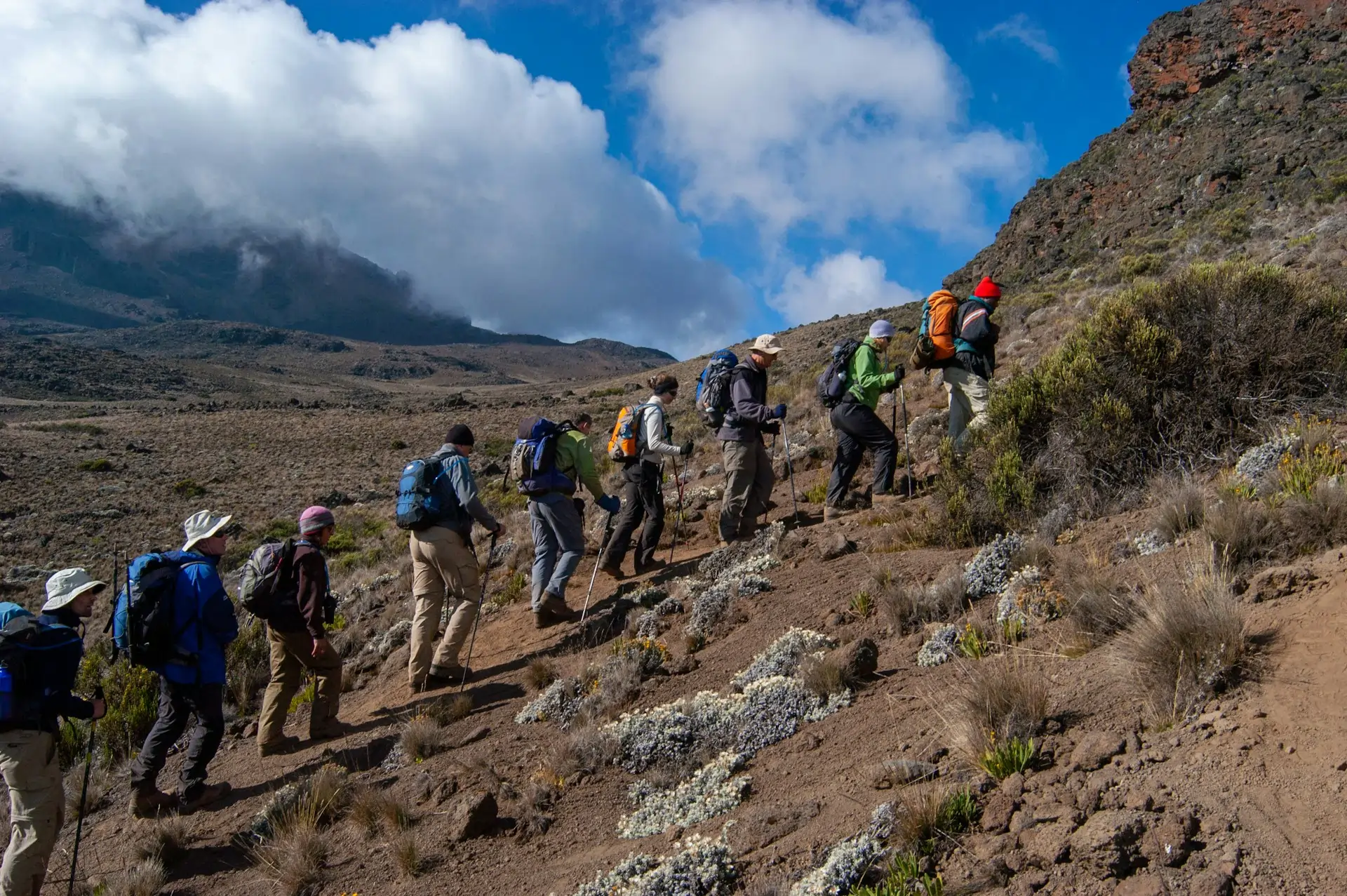
The climb passes through distinct climate zones, from cultivated foothills and rainforest to moorland, alpine desert and the glaciers of the summit. Kilimanjaro National Park is a UNESCO World Heritage Site.
Location
Northern Tanzania
Summit
Uhuru Peak, 5,895 m
Best Time
January–early March & June–October
Climb Length
Typically 5–9 days
Nearest Airport
Kilimanjaro International (JRO)
Experience
No technical climbing required
Why Visit Kilimanjaro
Stand on the Roof of Africa
Reaching Uhuru Peak at sunrise is an unforgettable achievement and one of travel's great milestones.
Five Climate Zones
Walk from lush rainforest through heath and moorland to alpine desert and the arctic summit zone.
Choice of Routes
Routes such as Marangu, Machame, Lemosho and Rongai offer different scenery, comfort and acclimatisation profiles.
Hut or Camping Routes
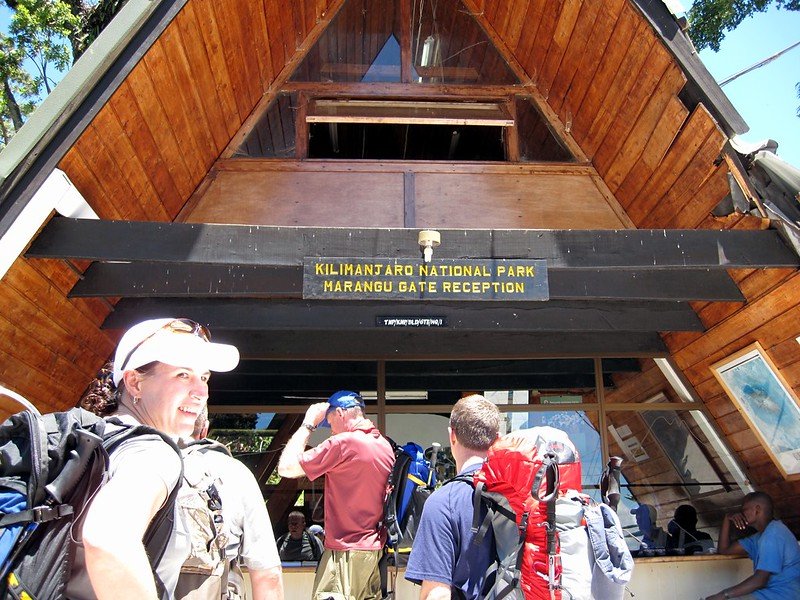
The Marangu route offers dormitory-style huts, while most other routes use mountain camps.
Expert Mountain Crews
Experienced guides, porters and cooks support every stage of the climb, with a strong focus on safety.
Safari Extension
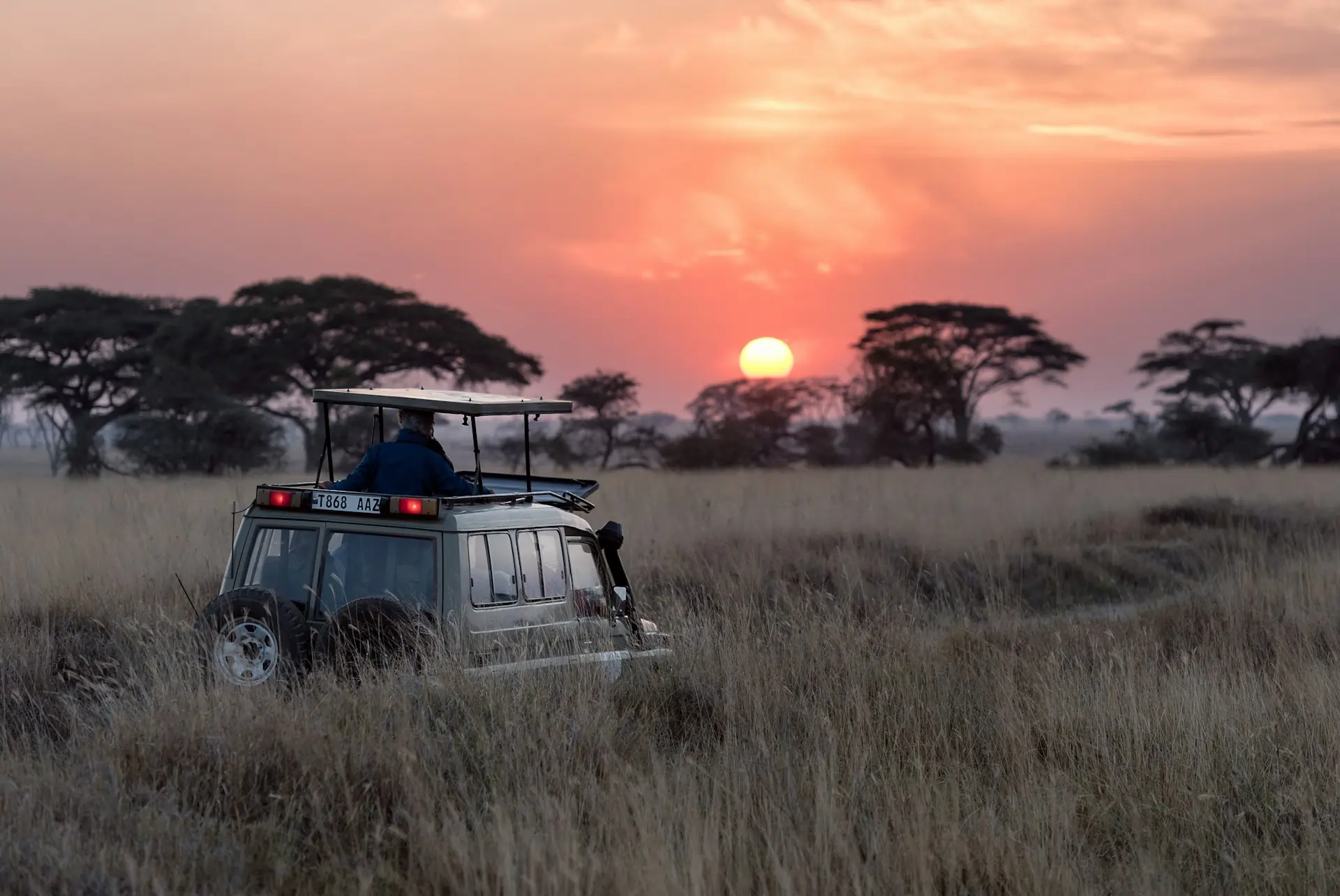
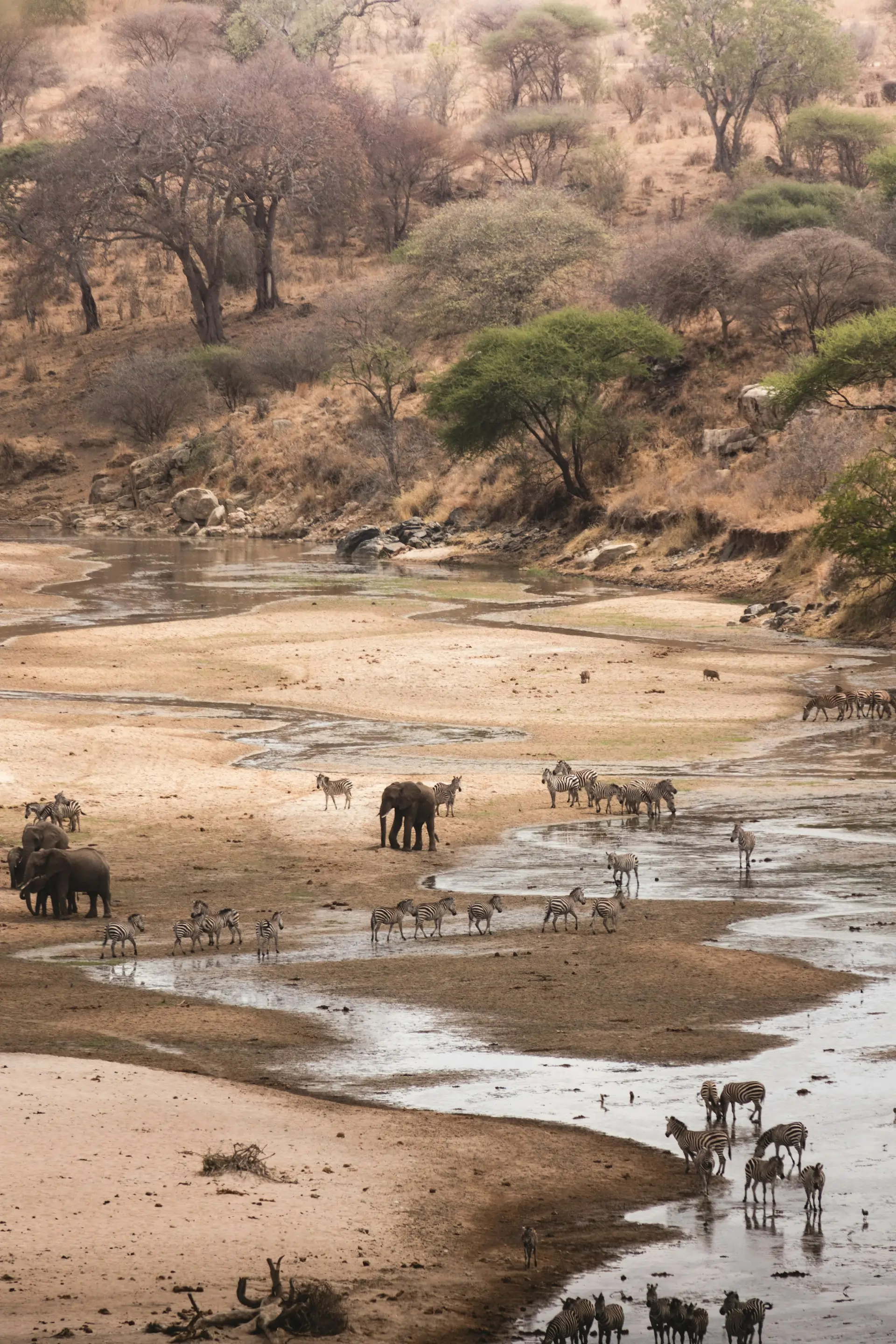
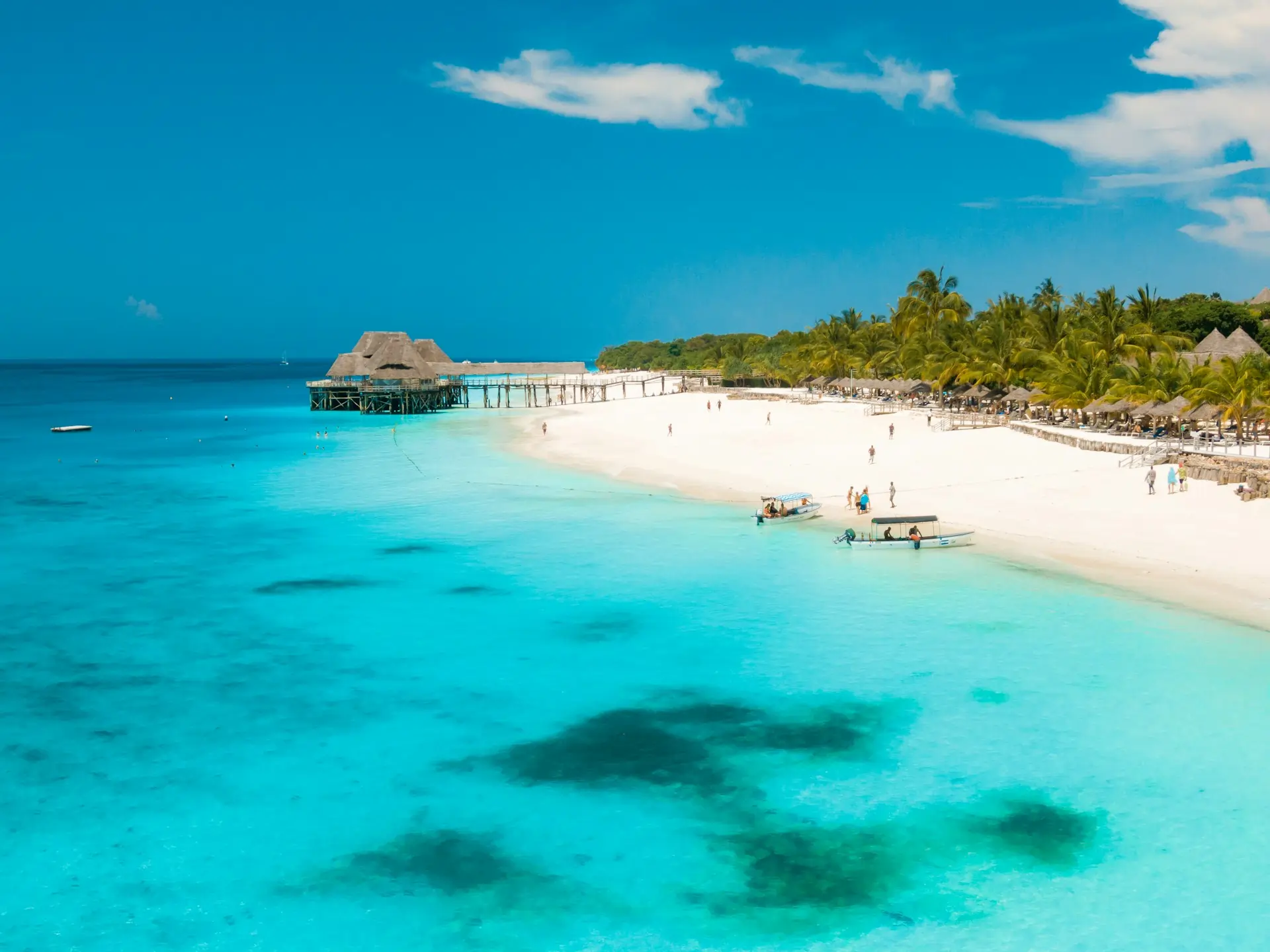
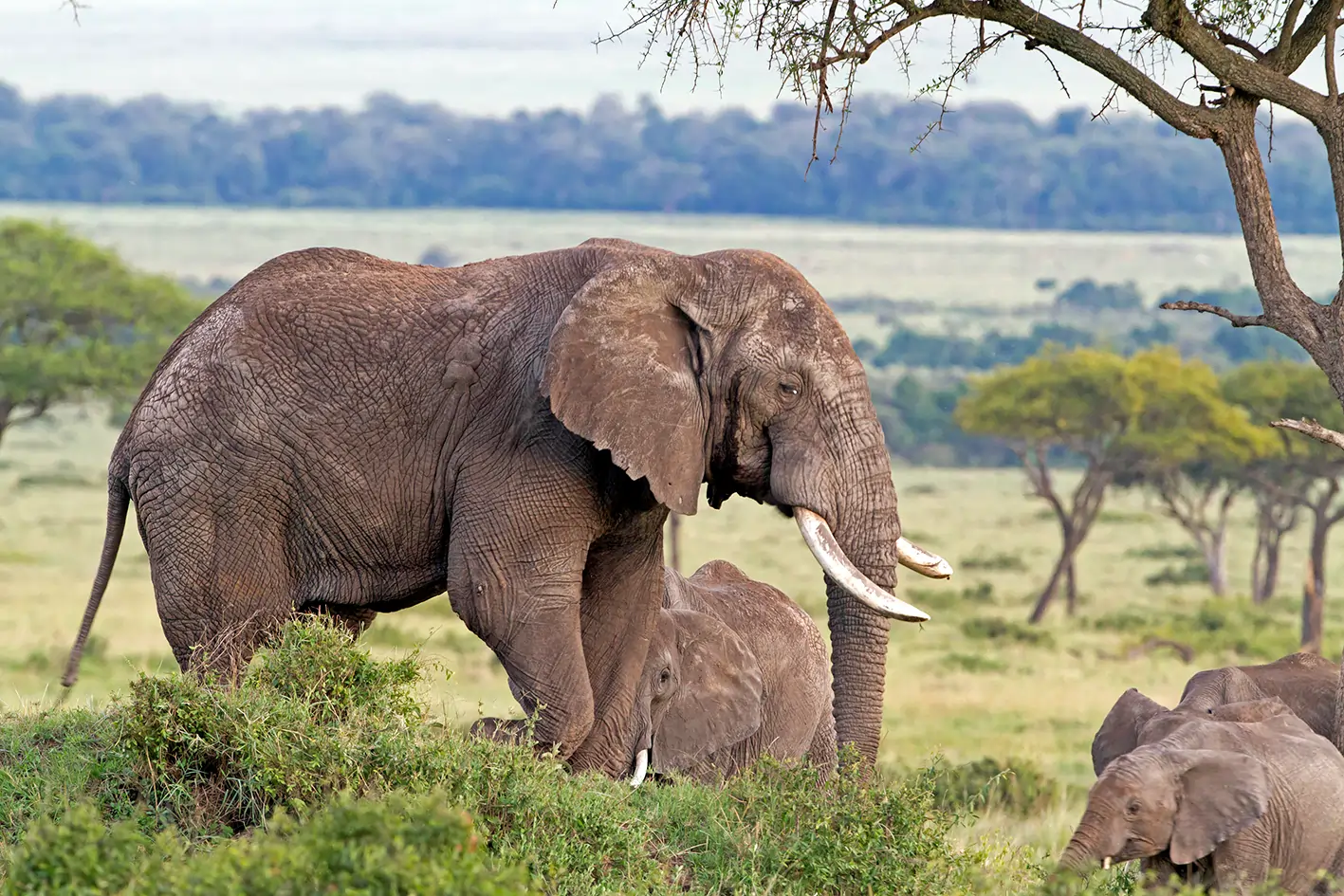
Combine your climb with a safari in the Serengeti, Ngorongoro or Tarangire, or relax on Zanzibar.
When to Visit Kilimanjaro
Kilimanjaro can be climbed year-round, but the drier months generally offer the most comfortable conditions.
Short Dry Season
January – Early March
Generally clear and slightly warmer, with good conditions for the summit.
Long Rains
March – May
The wettest period. Climbing is possible, but trails can be muddy and views limited.
Long Dry Season
June – October
The most popular climbing season, with generally dry weather and cold nights.
Short Rains
November – December
Afternoon showers are common, but the mountain is quieter.
Where to Stay in Kilimanjaro
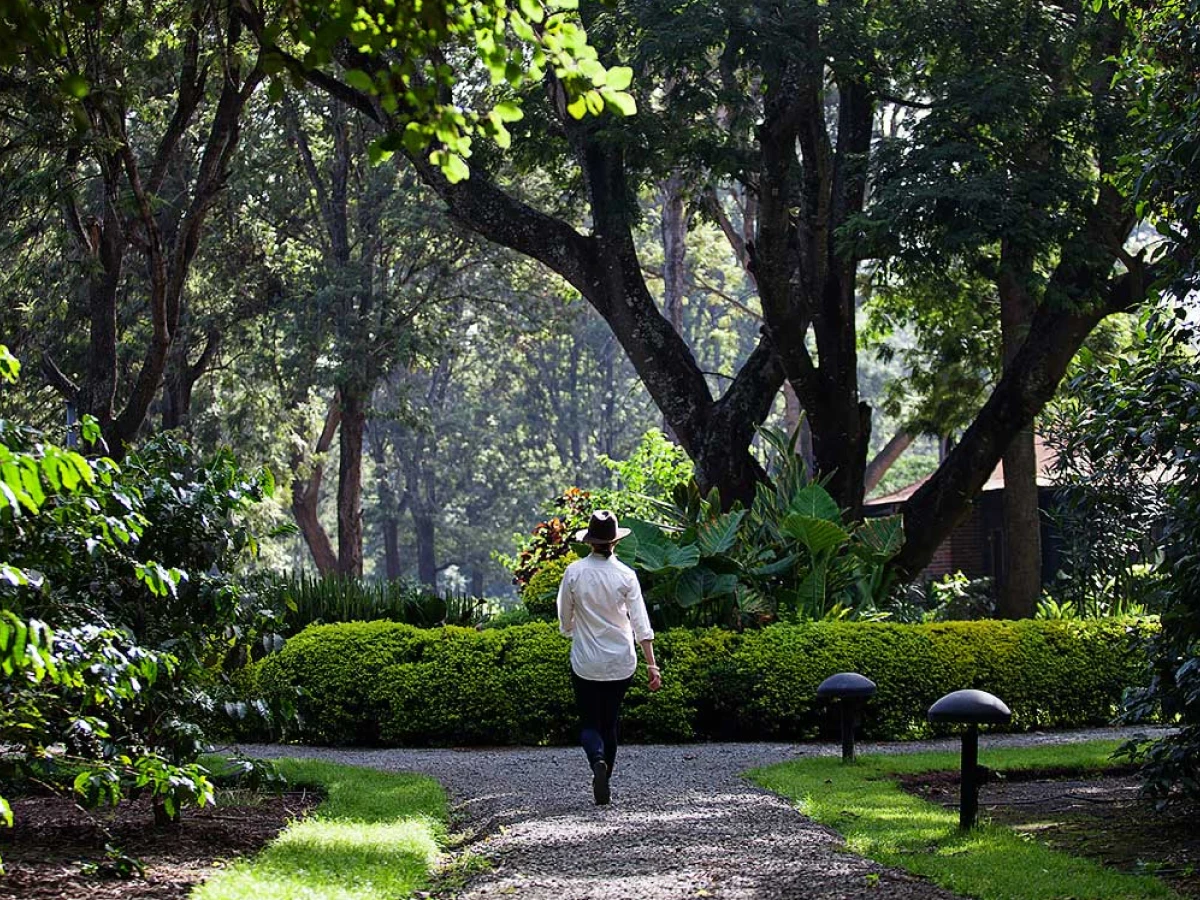
Climbers usually spend nights before and after the climb in Moshi or Arusha.
Moshi
A small town close to the mountain's main gates, ideal for climbers starting or ending their trek.
Arusha
A convenient base for combining a climb with a northern Tanzania safari.
On the Mountain
Simple huts on the Marangu route or tented camps on other routes, set up and run by your mountain crew.
Getting to Kilimanjaro
Kilimanjaro International Airport (JRO) is the nearest international airport, around 45 minutes to an hour by road from Moshi or Arusha.
Some travellers combine the climb with Kenya, crossing the border from Nairobi or Amboseli.
Safaris That Visit Kilimanjaro
Kilimanjaro FAQs
Do I need climbing experience to climb Kilimanjaro?
No technical climbing experience is required. Good fitness, a sensible acclimatisation schedule and the right equipment are much more important.
How many days does it take to climb Kilimanjaro?
Most climbs take between five and nine days. Longer routes allow better acclimatisation and generally improve the chance of reaching the summit.
What is the best route up Kilimanjaro?
It depends on your preferences. Marangu offers huts, Machame is scenic and popular, Lemosho is quieter with excellent acclimatisation, and Rongai approaches from the north.
What is altitude sickness?
Altitude sickness can affect anyone at high elevations. Climbing slowly, staying hydrated and choosing a longer route all help, and your guides will monitor your health throughout the climb.