About Nyerere
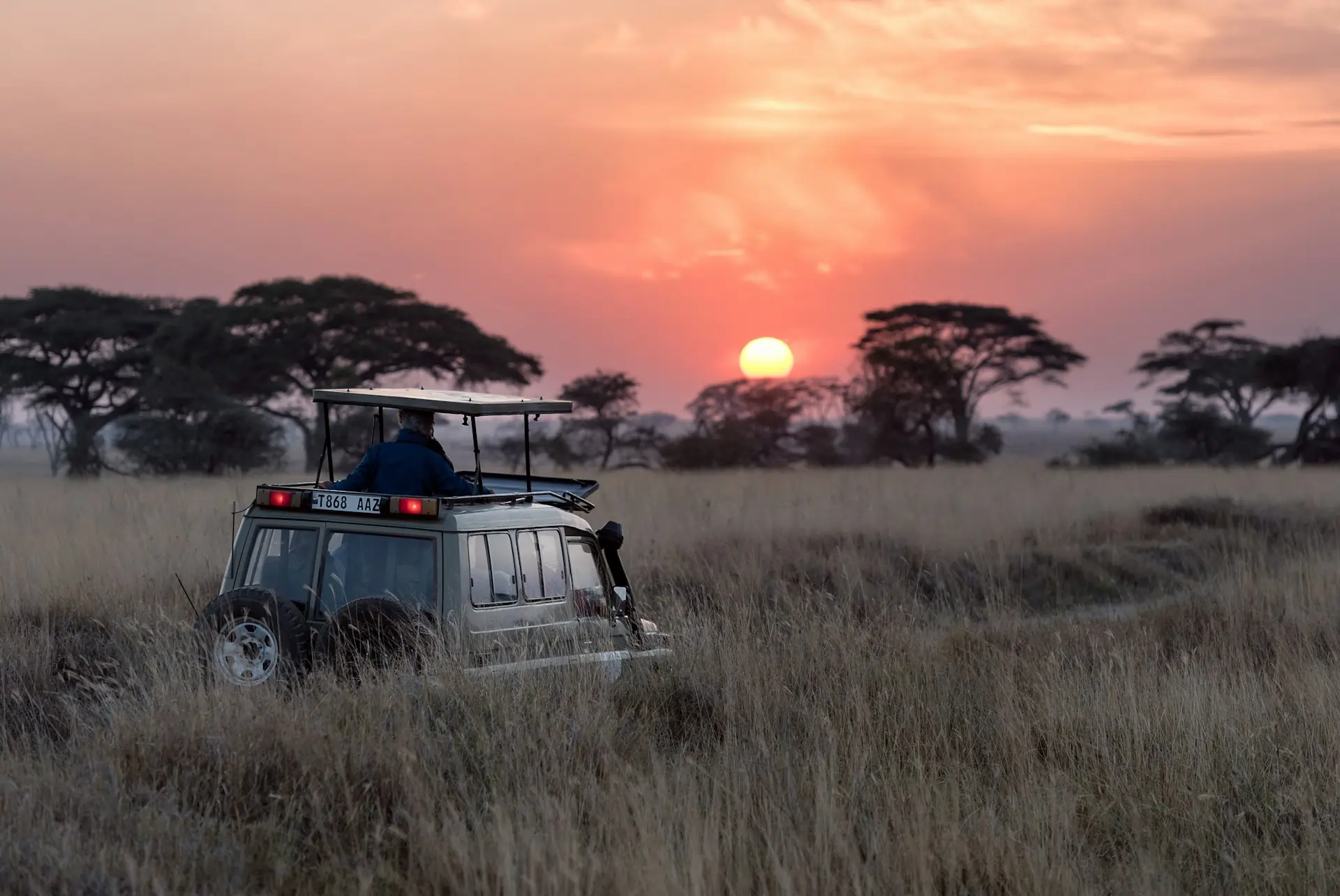
Nyerere National Park is Tanzania's largest national park and one of the largest protected areas in Africa. Created in 2019 from the northern part of the former Selous Game Reserve, it offers a remote and authentic safari experience far from the crowds of the north.
The Rufiji River and its network of lakes, channels and floodplains define the park. Here, boat safaris and walking safaris add variety to traditional game drives, and wildlife viewing is often enjoyed with very few other vehicles.
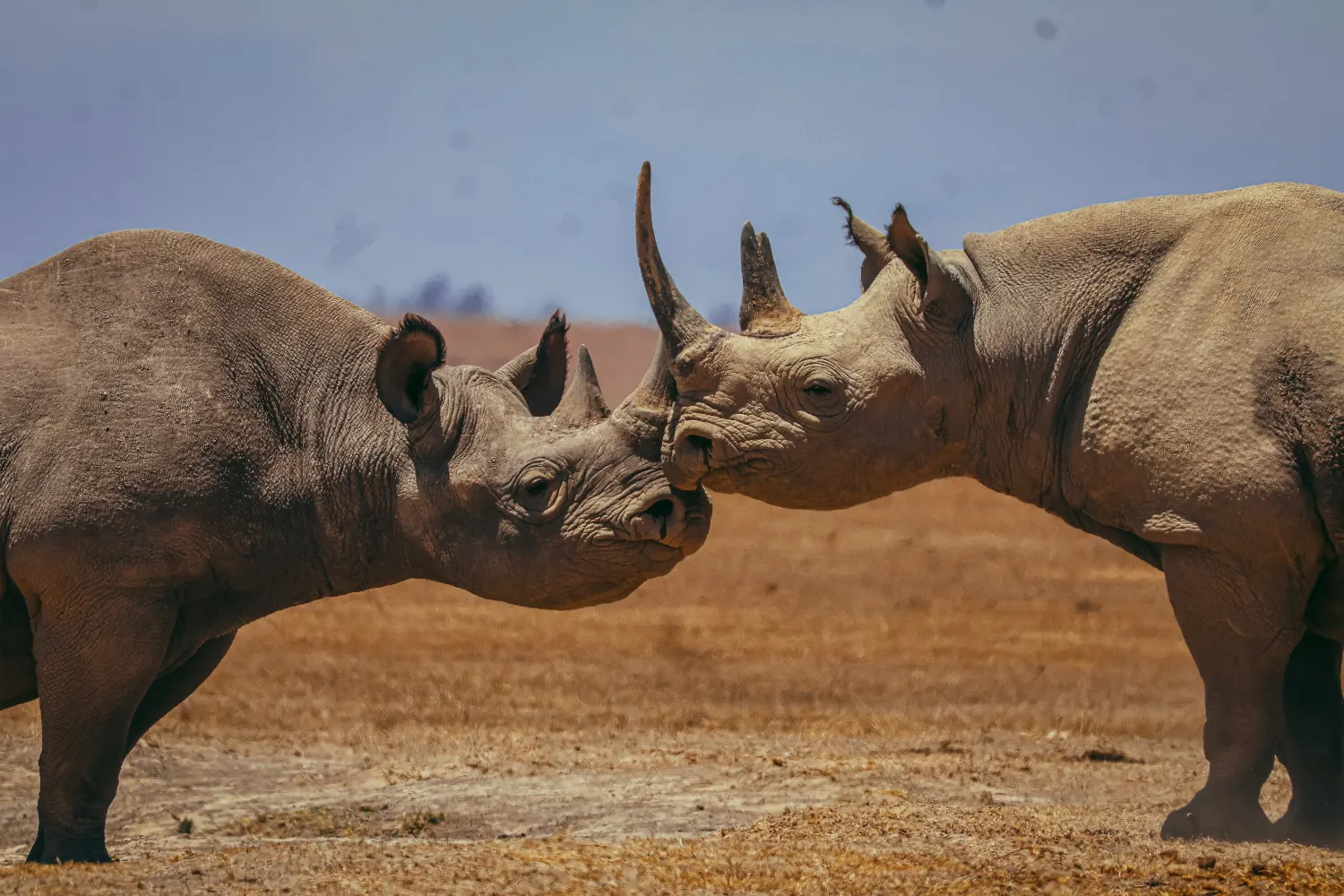
Nyerere is home to elephants, lions, leopards, buffalo, hippos and crocodiles, and is one of the best places in Africa to look for endangered African wild dogs.

Location
Southern Tanzania
Size
About 30,000 km²
Best Time
June–October
Getting There
Short flight from Dar es Salaam
Ideal Stay
3–4 nights
Known For
Boat safaris & wild dogs
Why Visit Nyerere
Boat Safaris
Explore the Rufiji River and its lakes by boat, with close views of hippos, crocodiles, elephants and birdlife.
Walking Safaris
Guided walks reveal the smaller details of the bush, from tracks and plants to insects and birds.
African Wild Dogs
Nyerere supports one of Africa's important populations of endangered African wild dogs.
Remote and Uncrowded
The park's size and limited number of camps make for exclusive and peaceful wildlife viewing.
Rich Birdlife
Rivers, lakes and woodlands attract a wide variety of birds, including fish eagles, kingfishers and storks.
Safari and Beach
Nyerere combines easily with Zanzibar and other coastal destinations.
Wildlife in Nyerere
Nyerere National Park supports:
- Elephant and Cape buffalo
- Lion and leopard
- African wild dog
- Hippo and Nile crocodile
- Giraffe, zebra, wildebeest and impala
- More than 400 bird species
When to Visit Nyerere
Nyerere is best visited during the dry season, when wildlife gathers near the river and lakes.
Dry Season
June – October
The best time for game viewing, with wildlife concentrated near water and thinner vegetation.
Green Season
November – March
Lush landscapes, migratory birds and lower rates, with some short tropical showers.
Long Rains
April – May
Heavy rain makes some areas inaccessible, and many camps close during this period.
Where to Stay in Nyerere
Nyerere's camps are typically small and set along the river or lakes.
Riverside and Lakeside Camps
Intimate camps overlooking the water, with boat, walking and vehicle safaris all available.
Getting to Nyerere
Most travellers fly to Nyerere's airstrips from Dar es Salaam, with flights also connecting the park to Zanzibar and Ruaha.
Road access is possible but involves a long drive, so flying is usually recommended.
Nyerere FAQs
Is Nyerere National Park the same as the Selous?
Nyerere was created in 2019 from the northern part of the Selous Game Reserve, which contained most of the area visited by tourists. The name Selous is still widely used.
What makes Nyerere different from the Serengeti?
Nyerere is more remote and less visited. It offers boat and walking safaris along the Rufiji River and is excellent for African wild dogs.
Can Nyerere be combined with Ruaha?
Yes. Nyerere and Ruaha are often combined on a southern Tanzania safari, linked by light-aircraft flights.