About Ngorongoro
The Ngorongoro Crater is one of Africa's most extraordinary natural wonders. Formed when a large volcano collapsed millions of years ago, it is the world's largest intact volcanic caldera, with a floor of around 260 square kilometres enclosed by walls roughly 600 metres high.
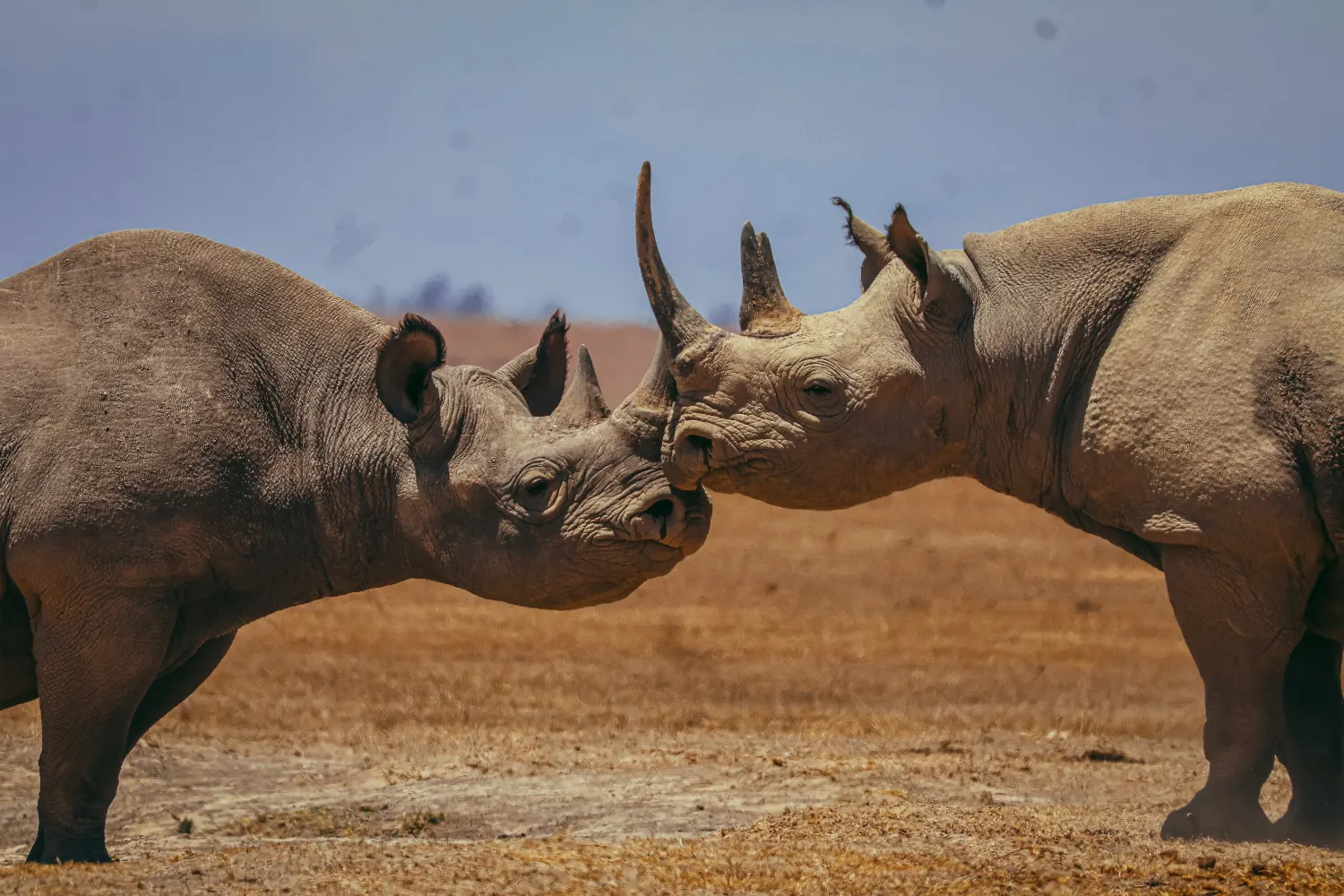
The crater floor supports a remarkable concentration of wildlife, including lions, elephants, buffalo, hyenas and one of the best chances in Tanzania to see endangered black rhinos.
The crater lies within the wider Ngorongoro Conservation Area, a UNESCO World Heritage Site where wildlife and Maasai pastoralists share the land. The area also includes Olduvai Gorge and the Ndutu plains, home to the migration's calving season.

Location
Northern Tanzania
Crater Floor
About 260 km²
Crater Rim
About 2,300 m altitude
Best Time
Year-round
By Road
Approx. 3–4 hours from Arusha
Known For
Black rhinos & crater views
Why Visit Ngorongoro
The Crater
Descend into a self-contained world of grasslands, swamps, forest and a soda lake, surrounded by towering crater walls.
Black Rhinos
The crater is one of the best places in Tanzania to see critically endangered black rhinos.
Predators
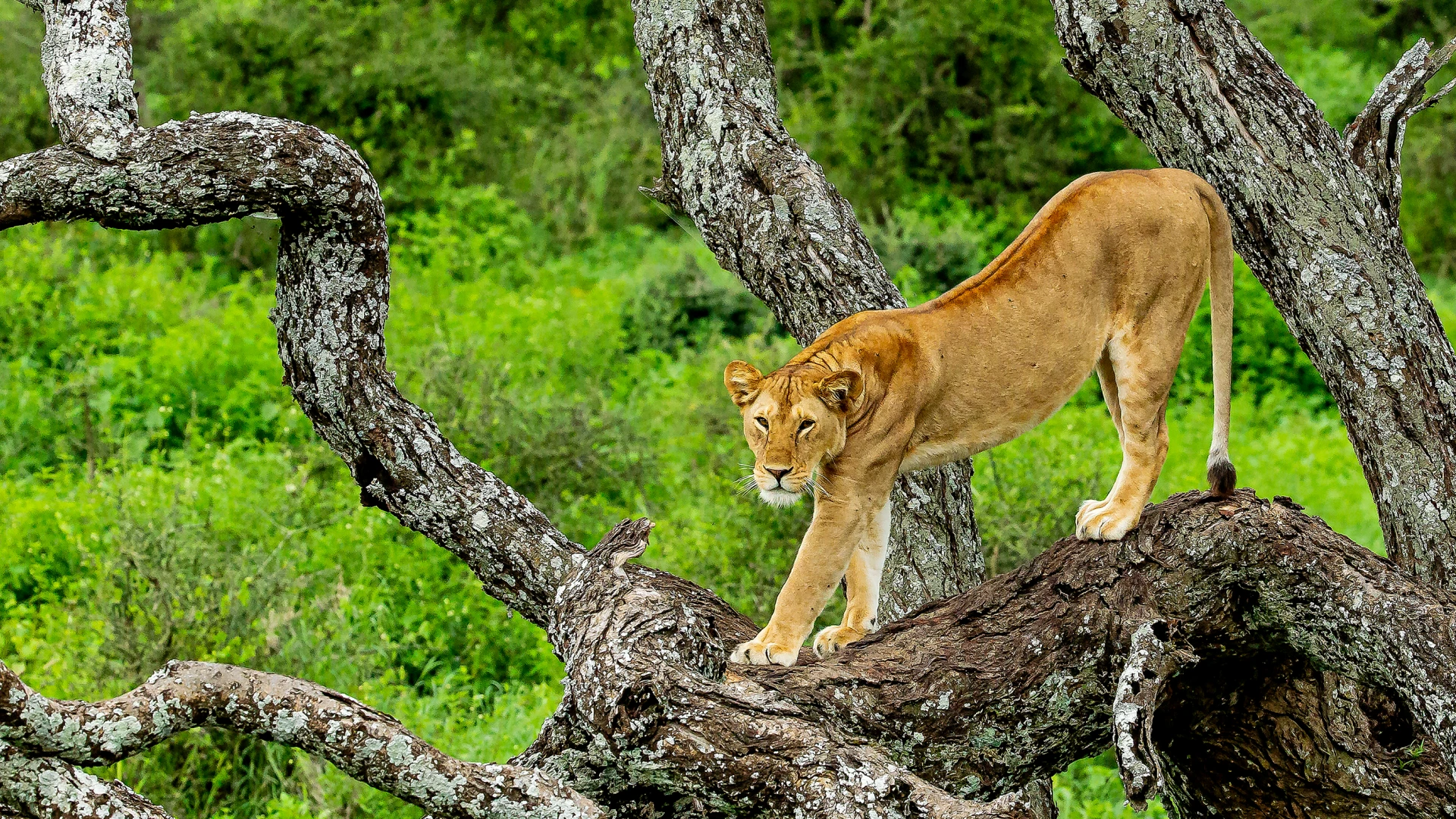
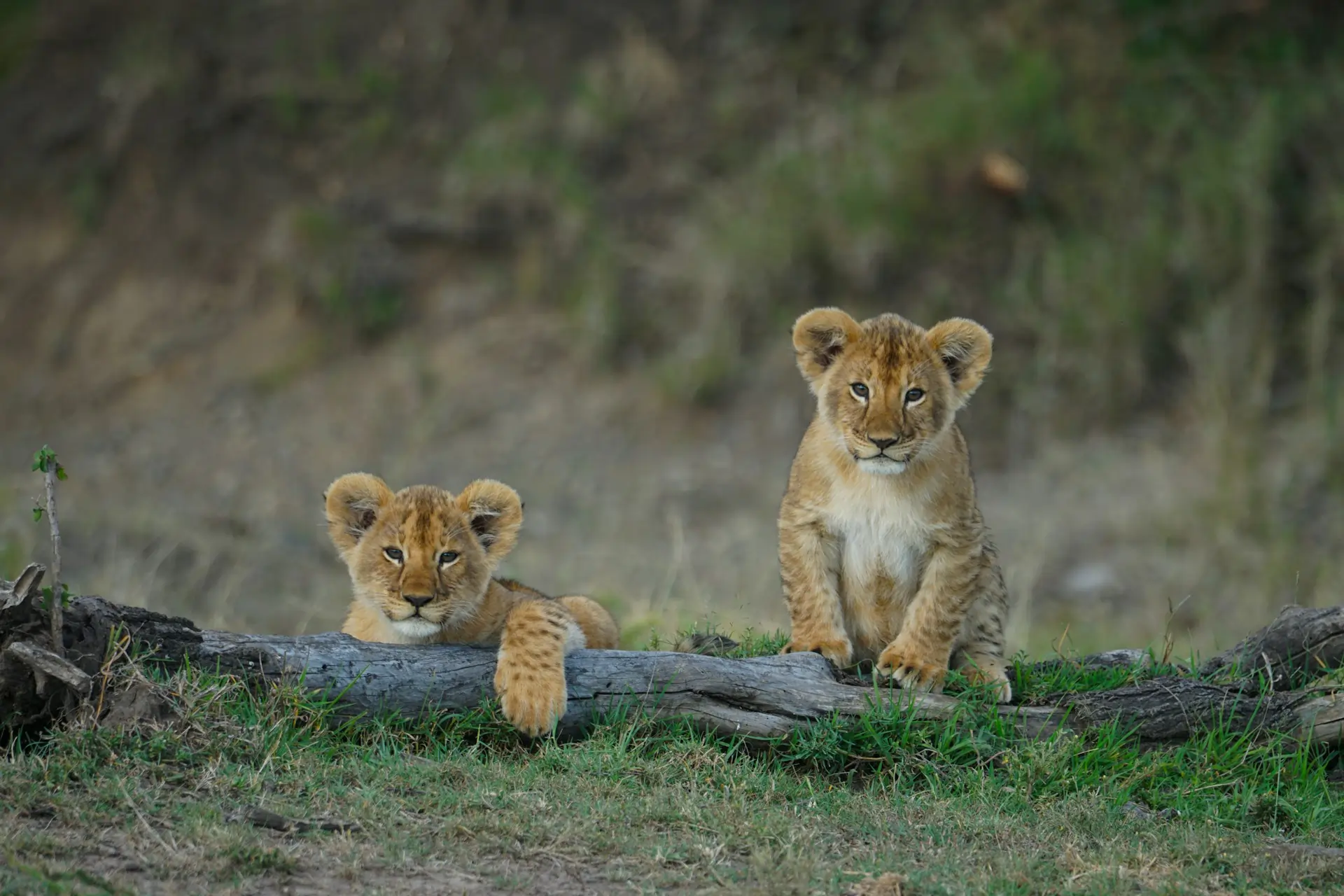
Lions and spotted hyenas are frequently seen hunting and resting on the open crater floor.
Flamingos and Birdlife
Lake Magadi on the crater floor attracts flamingos, while grey crowned cranes and other species are common.
Olduvai Gorge
Visit one of the world's most important paleoanthropological sites and learn about the origins of humankind.
Maasai Culture
The Maasai live within the conservation area, grazing their cattle alongside wildlife in a unique multiple-use landscape.
Wildlife in Ngorongoro
The crater's year-round water and grazing support an exceptional density of wildlife, including:
- Black rhino
- Lion and spotted hyena
- Elephant and Cape buffalo
- Wildebeest, zebra and gazelles
- Hippo in the crater's pools
- Flamingos and grey crowned cranes
Giraffes are absent from the crater floor, as they are unable to descend its steep walls, but they are found elsewhere in the conservation area.
When to Visit Ngorongoro
Wildlife remains in the crater throughout the year, making Ngorongoro an excellent destination in every season.
Dry Season
June – October
Clear skies and good visibility, though this is also the busiest period. Start early for a quieter experience.
Calving Season
January – March
Combine the crater with the Ndutu plains, where the migration herds gather to give birth.
Green Season
November – May
Fewer visitors and lush landscapes. The crater rim can be cool and misty, so bring warm layers.
Where to Stay in Ngorongoro
Accommodation ranges from lodges on the crater rim to camps in the nearby highlands.
On the Crater Rim
Spectacular views over the caldera and early access to the crater floor.
Karatu Highlands
Lodges set among coffee farms, offering good value and a convenient base for the crater and Lake Manyara.
Getting to Ngorongoro
The crater is approximately three to four hours by road from Arusha and is usually visited as part of a northern circuit safari.
It lies on the road between Arusha and the Serengeti, making it a natural stop when travelling between the two.
Safaris That Visit Ngorongoro
Private Safari

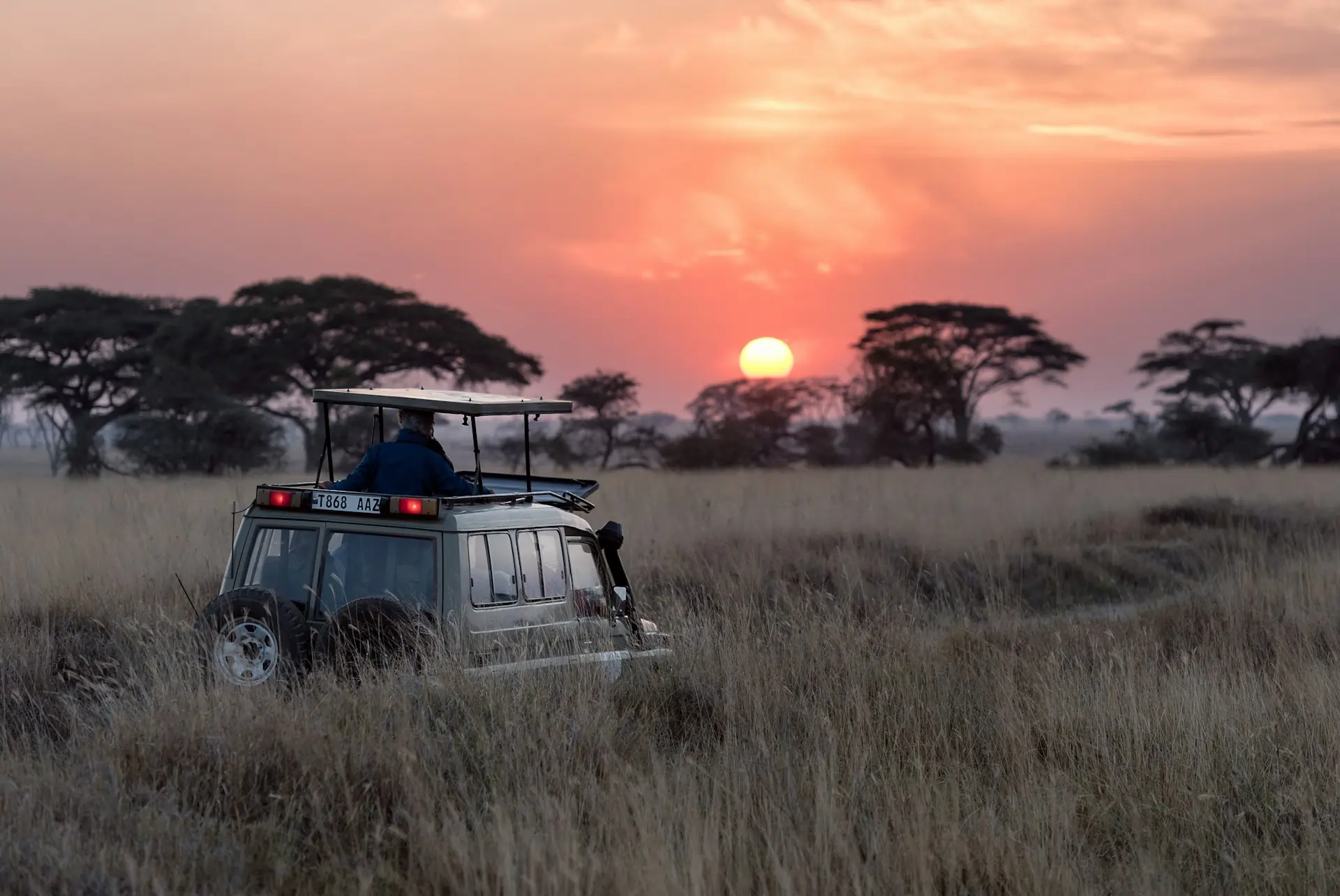
5 Days Tanzania Safari
Journey through Tanzania's premier parks from elephant-rich Tarangire to the endless Serengeti plains and the wildlife-dense Ngorongoro Crater.
Private Safari
6 Days Tanzania Safari
Complete northern Tanzania circuit covering all major parks with extended time for wildlife viewing and photography.
Luxury Safari

9 Days Tanzania Luxury Safari
Luxury Tanzania safari with premium lodges, private vehicles, and extended game viewing in all major northern parks.
Private Safari

11 Days Kenya & Tanzania Safari
From Nairobi to Kilimanjaro, this 11-day Kenya and Tanzania safari explores Amboseli, Lake Nakuru, Masai Mara, Serengeti, and Ngorongoro Crater — delivering luxury, Big Five encounters, and seamless cross-border adventures.
Ngorongoro FAQs
Can you see the Big Five in the Ngorongoro Crater?
Yes. The crater is one of the few places where all of the Big Five can be seen in a single day, although leopards are less commonly sighted on the crater floor.
How long should I spend in the Ngorongoro Crater?
Most visitors spend a full day on a game drive in the crater. Staying nearby for one or two nights allows an early descent.
Is it cold at Ngorongoro?
The crater rim is around 2,300 metres above sea level, so mornings and evenings can be cool year-round. Warm layers are recommended.
What is the difference between the crater and the conservation area?
The crater is one part of the much larger Ngorongoro Conservation Area, which also includes highlands, Olduvai Gorge and the Ndutu plains.
Read More About Ngorongoro
The Ultimate East Africa Cross-Border Safari: Seamlessly Navigating Kenya and Tanzania
9 min read
Conservation & Community: How Your Safari Protects East Africa's Wildlife
10 min read