About Tarangire
Tarangire National Park is one of the most rewarding and underrated parks on Tanzania's northern safari circuit. Its landscape of giant baobab trees, acacia woodland and seasonal swamps is unlike anywhere else in the region.
The park covers around 2,850 square kilometres and is centred on the Tarangire River, the main source of water in the area during the dry season. From around June to October, wildlife moves into the park from the surrounding areas, creating some of the largest concentrations of elephants in northern Tanzania.
Only around two hours from Arusha, Tarangire is an ideal first stop on a northern circuit safari, combining easily with Lake Manyara, Ngorongoro and the Serengeti.

Location
Northern Tanzania
Size
About 2,850 km²
Best Time
June–October
By Road
Approx. 2 hours from Arusha
Ideal Stay
1–2 nights
Known For
Elephants & baobabs
Why Visit Tarangire
Large Elephant Herds
During the dry season, Tarangire is home to some of the largest elephant concentrations in northern Tanzania.
Ancient Baobabs
Huge baobab trees, some hundreds of years old, give Tarangire its distinctive and highly photogenic landscape.
The Tarangire River
The river attracts wildlife throughout the dry season, offering excellent game viewing along its banks.
Outstanding Birding
More than 500 bird species have been recorded, making Tarangire a favourite with birdwatchers.
Predators
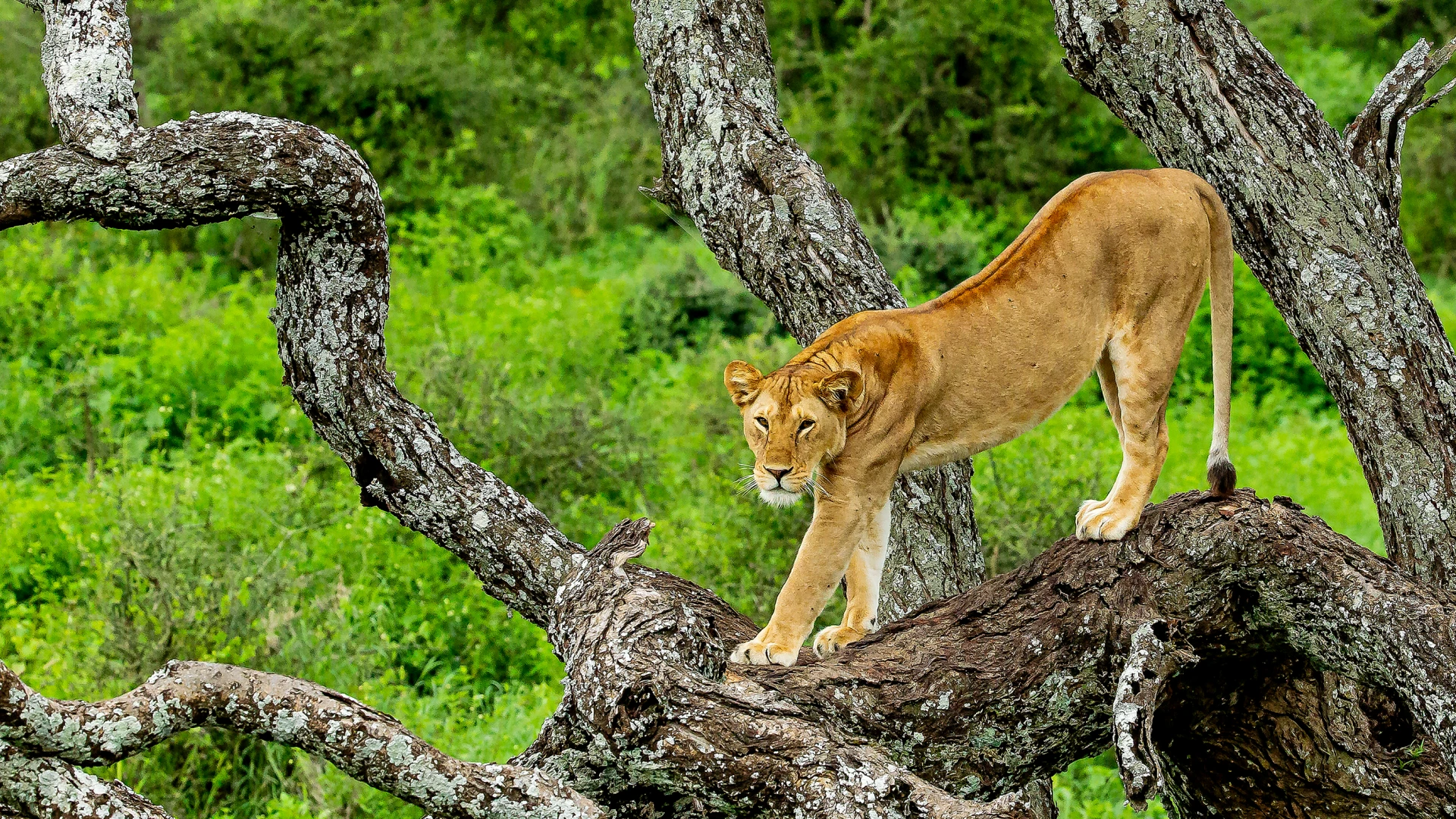
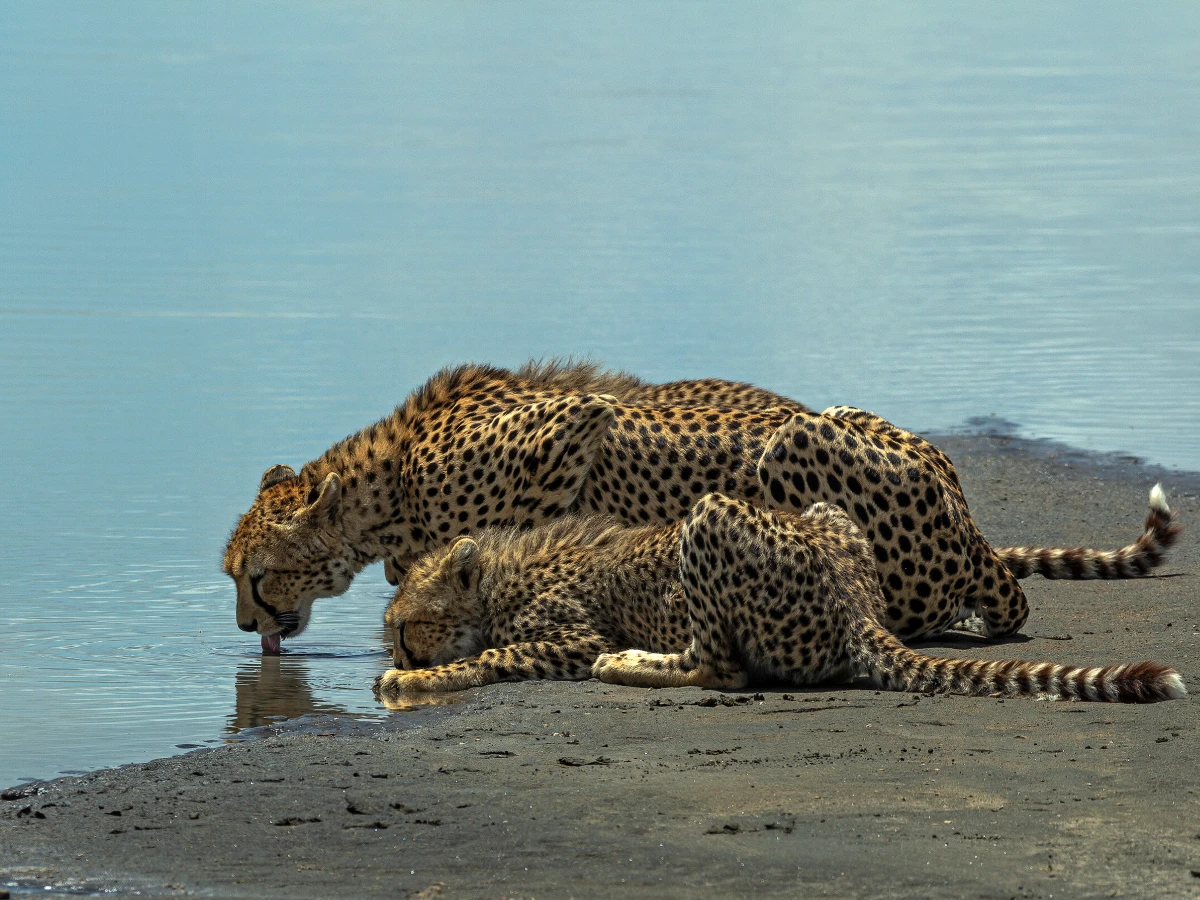
Lions, leopards and cheetahs follow the herds, especially when wildlife concentrates near the river.
Fewer Crowds
Tarangire is often quieter than Ngorongoro and the Serengeti, giving a more relaxed safari experience.
Wildlife in Tarangire
Tarangire's varied habitats support:
- Large herds of elephants
- Lion, leopard and cheetah
- Buffalo, zebra and wildebeest
- Fringe-eared oryx and lesser kudu
- Masai giraffe and impala
- More than 500 bird species, including large flocks of migratory birds
When to Visit Tarangire
Tarangire is at its best in the dry season, when wildlife gathers along the river.
Dry Season
June – October
The best time for game viewing, with large numbers of elephants and other wildlife gathering near water.
Green Season
November – May
Wildlife disperses into the wider area, but the park is lush, quiet and excellent for birding.
Where to Stay in Tarangire
Tarangire offers lodges and tented camps inside the park and in the surrounding conservation areas.
Inside the Park
Ideal for maximising game drive time, with some camps overlooking the Tarangire River.
Surrounding Conservation Areas
Quieter camps offering walking safaris and night drives, depending on the property.
Getting to Tarangire
Tarangire is approximately two hours by road from Arusha, making it a convenient first or final stop on a northern circuit safari.
The park is also served by airstrips for scheduled and charter flights.
Safaris That Visit Tarangire
Private Safari

5 Days Tanzania Safari
Journey through Tanzania's premier parks from elephant-rich Tarangire to the endless Serengeti plains and the wildlife-dense Ngorongoro Crater.
Private Safari
6 Days Tanzania Safari
Complete northern Tanzania circuit covering all major parks with extended time for wildlife viewing and photography.
Luxury Safari

9 Days Tanzania Luxury Safari
Luxury Tanzania safari with premium lodges, private vehicles, and extended game viewing in all major northern parks.
Tarangire FAQs
What is Tarangire National Park famous for?
Tarangire is famous for its large elephant herds, ancient baobab trees and excellent dry-season wildlife viewing along the Tarangire River.
When is the best time to visit Tarangire?
June to October is the best time, when wildlife concentrates near the river. The green season is excellent for birding.
How long should I stay in Tarangire?
One or two nights is ideal, allowing time for morning and afternoon game drives.
Can Tarangire be combined with the Serengeti and Ngorongoro?
Yes. Tarangire is often the first stop on a northern circuit safari, followed by Lake Manyara, Ngorongoro and the Serengeti.
Read More About Tarangire
Green Season Safari in East Africa: Best Time for Calving, Photography, and Fewer Crowds
10 min read
Lodges vs. Tented Camps: Choosing Your Perfect East Africa Safari Stay
10 min read