About Serengeti
The Serengeti is one of the most famous wildlife destinations on Earth. Its name comes from the Maasai word for 'endless plains', and its vast grasslands, granite kopjes and river woodlands support an extraordinary concentration of wildlife.
Covering roughly 14,750 square kilometres in northern Tanzania, the park is the heart of the Serengeti–Mara ecosystem and a UNESCO World Heritage Site. It hosts the greater part of the Great Wildebeest Migration, as well as some of Africa's finest predator viewing.
Because the migration moves through different regions during the year, where you stay in the Serengeti matters as much as when you travel. A well-planned itinerary places you in the right area for the season.

Location
Northern Tanzania
Size
About 14,750 km²
Best Time
Year-round, depending on region
Getting There
Approx. 1–2-hour flight from Arusha
Ideal Stay
3–4 nights or more
Known For
Great Migration & big cats
Why Visit Serengeti
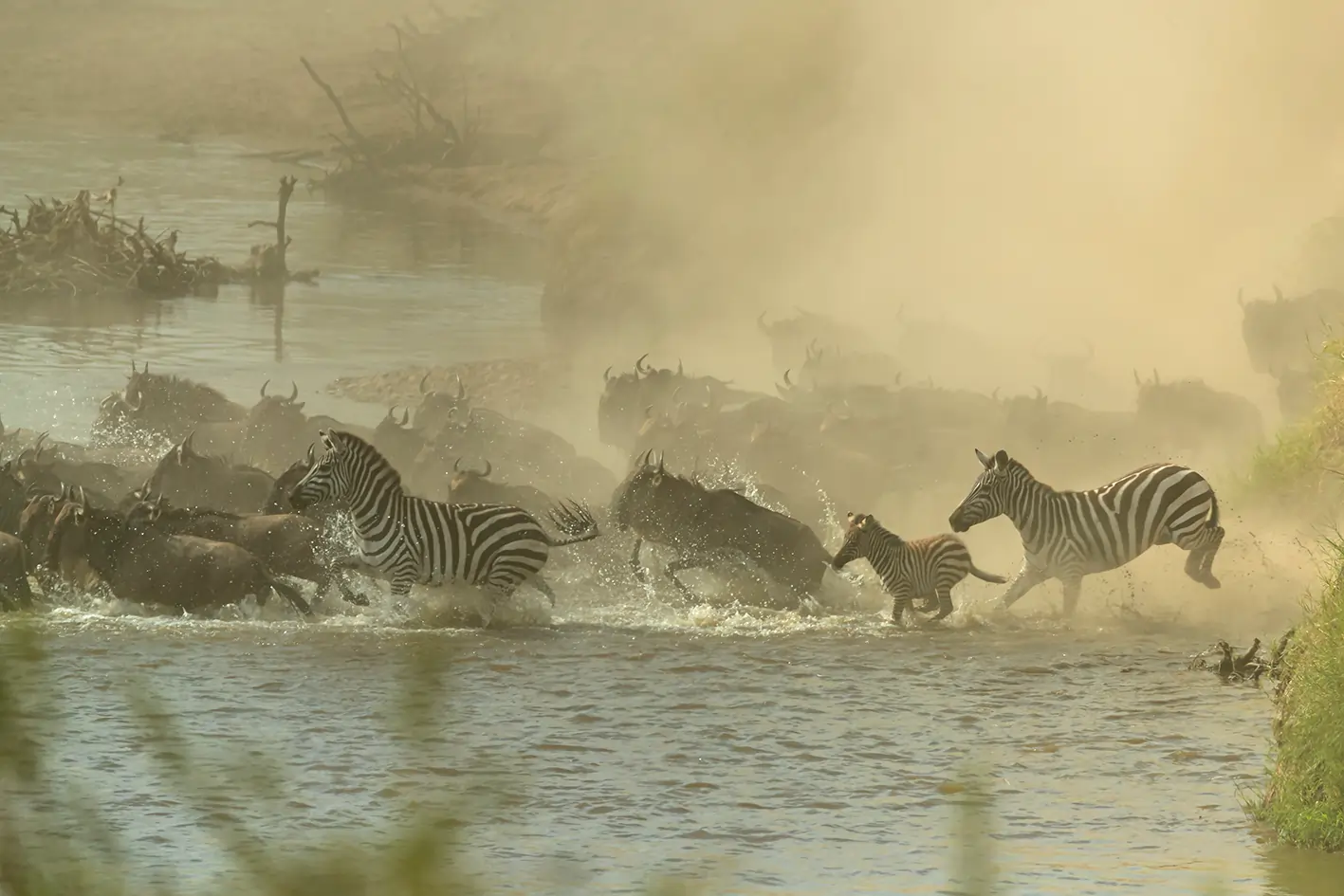
The Great Migration
More than a million wildebeest, along with zebras and gazelles, move through the Serengeti in a year-round cycle driven by rain and grazing.
Calving Season
From around January to March, the herds gather on the southern plains to give birth, attracting intense predator activity.
Big Cat Country
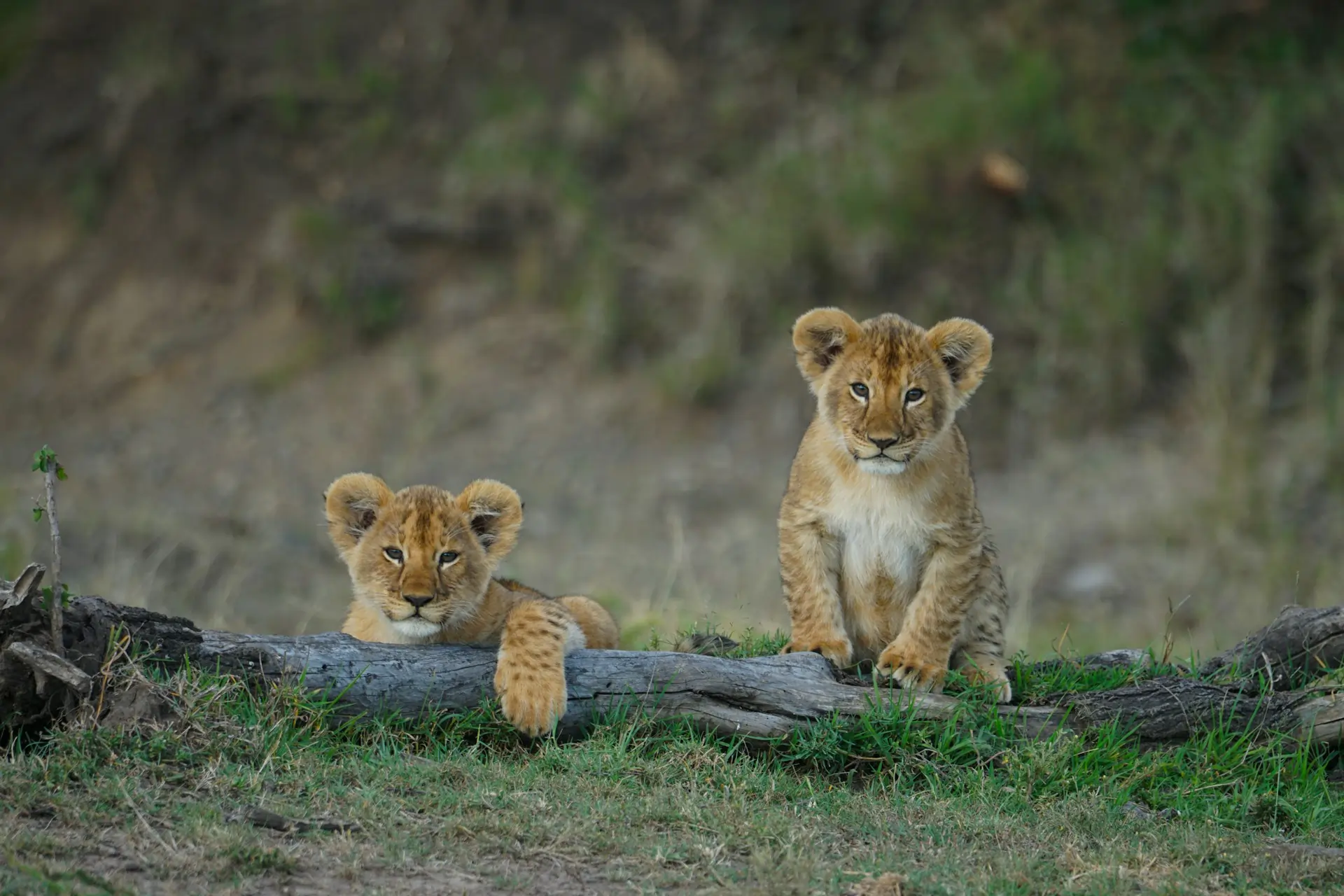
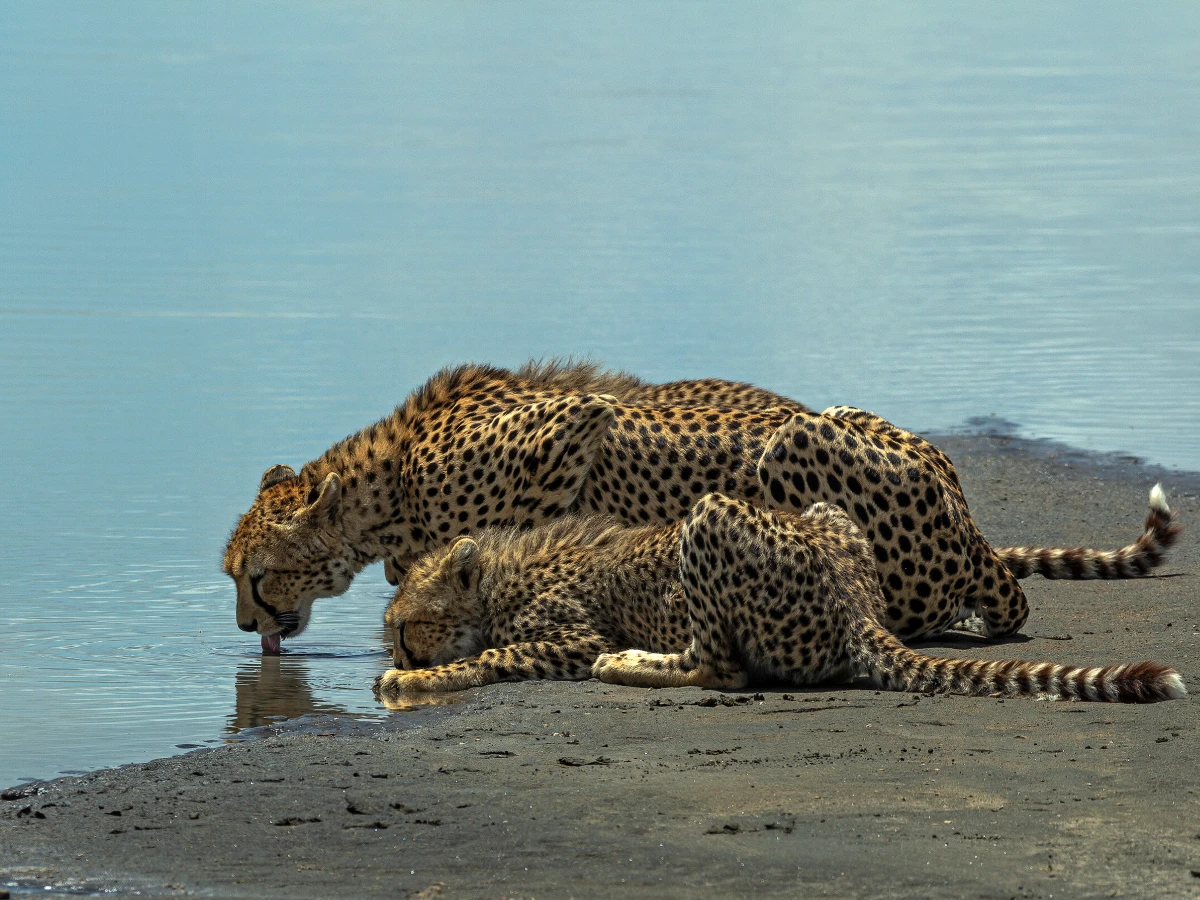
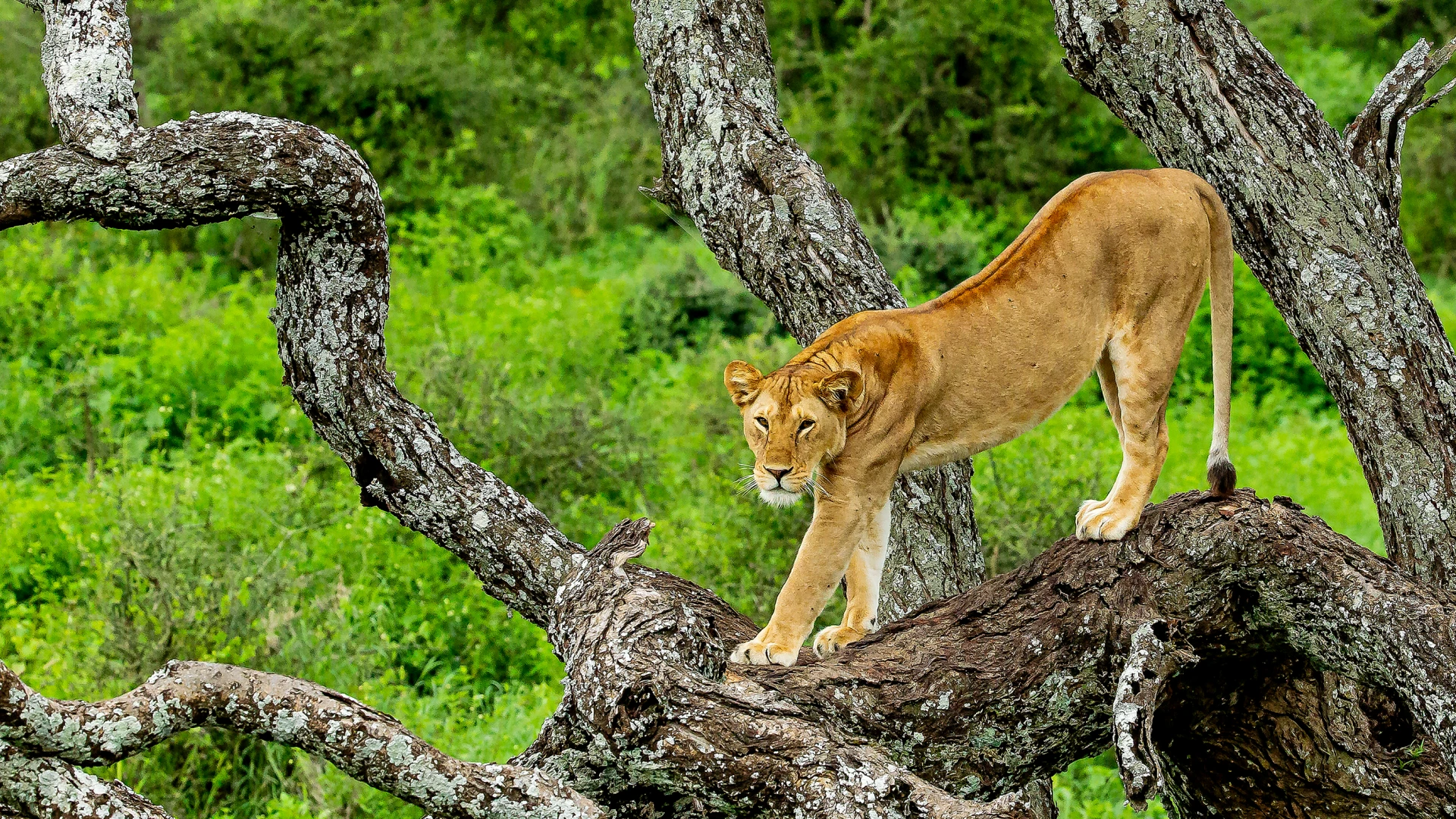
The central Serengeti is renowned for resident lions, leopards and cheetahs, offering excellent sightings throughout the year.
Hot Air Balloon Safaris
Drift over the plains at sunrise for a spectacular view of the Serengeti, followed by a bush breakfast.
River Crossings
The Grumeti River in the west and the Mara River in the north are the setting for dramatic migration crossings.
Kopjes and Wide Horizons
Ancient granite outcrops rise from the plains, providing lookout posts for predators and memorable photographic settings.
Wildlife in Serengeti
The Serengeti supports remarkable wildlife throughout the year, including:
- Wildebeest, zebra and Thomson's gazelle
- Lion, leopard and cheetah
- Elephant, buffalo and Masai giraffe
- Spotted hyena, jackal and serval
- Hippo and Nile crocodile in the rivers
- More than 500 bird species
Migration movements change with rainfall each year. We match your camp locations to the latest herd movements and the time of your visit.
When to Visit Serengeti
There is no single best time to visit the Serengeti. The migration follows an annual cycle, and each season has its own highlights.
Calving Season
January – March
The herds gather on the southern plains around Ndutu to give birth, with superb predator action.
Long Rains
April – May
Green landscapes, fewer visitors and lower rates as the herds move through the central and western Serengeti.
Western Corridor
June – July
The migration moves west and north, with possible crossings of the Grumeti River.
Northern Serengeti
August – October
The herds reach the far north, where Mara River crossings take place in some of Africa's most dramatic scenes.
In November and December, the herds return south as the short rains arrive. Timings are approximate and vary each year.
Where to Stay in Serengeti
The Serengeti's size means location is key. We choose camps based on the season and your interests.
Southern Serengeti and Ndutu
Best from around December to March for calving season and predator activity.
Central Serengeti
Excellent year-round game viewing and resident big cats, with easy access to the park's main areas.
Northern Serengeti
A remote area that comes alive from around July to October, when the migration reaches the Mara River.
Getting to Serengeti
Scheduled and charter flights connect Arusha and Kilimanjaro with airstrips across the Serengeti, typically taking one to two hours.
By road, the journey from Arusha takes most of a day, usually travelling via Ngorongoro and combined with game drives along the way.
Safaris That Visit Serengeti
Private Safari

5 Days Tanzania Safari
Journey through Tanzania's premier parks from elephant-rich Tarangire to the endless Serengeti plains and the wildlife-dense Ngorongoro Crater.
Private Safari
6 Days Tanzania Safari
Complete northern Tanzania circuit covering all major parks with extended time for wildlife viewing and photography.
Luxury Safari

9 Days Tanzania Luxury Safari
Luxury Tanzania safari with premium lodges, private vehicles, and extended game viewing in all major northern parks.
Private Safari

11 Days Kenya & Tanzania Safari
From Nairobi to Kilimanjaro, this 11-day Kenya and Tanzania safari explores Amboseli, Lake Nakuru, Masai Mara, Serengeti, and Ngorongoro Crater — delivering luxury, Big Five encounters, and seamless cross-border adventures.
Serengeti FAQs
When is the best time to visit the Serengeti?
The Serengeti is excellent year-round. January to March is best for calving season in the south, while August to October is popular for Mara River crossings in the north.
How many days should I spend in the Serengeti?
We recommend at least three nights. Four or more nights allows time to explore different areas or follow the migration more closely.
What is the difference between the Serengeti and the Masai Mara?
They are part of the same ecosystem. The Serengeti is much larger and hosts the migration for most of the year, while the Masai Mara in Kenya is smaller and receives the herds from around July to October.
Can I combine the Serengeti with Zanzibar?
Yes. Flights connect the Serengeti with Zanzibar, making it easy to finish a safari with a beach stay.